
The Search for Sanctuary
For years, modern interior design was dominated by cool grays and stark whites—colors that felt clean, minimalist, and aspirational. But as our lives have become more screen-based and disconnected from the natural world, a collective craving for warmth
and grounding has emerged. Enter the earthy palette: a sophisticated family of colors pulled directly from the landscape. Think of the rich red of a canyon wall, the muted green of a forest floor, or the soft beige of a sandy shore. This shift isn't just about aesthetics; it's a direct response to a psychological need for comfort. Designers and color experts point to biophilic design, the concept that humans have an innate tendency to seek connections with nature. By bringing these organic tones indoors, we create a subtle, subconscious link to the outdoors, which has been shown to reduce stress and promote a sense of well-being. Your home stops being just a place to live and starts becoming a place to exhale.
Warmth from the Earth: Terracotta and Clay
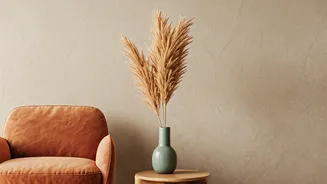
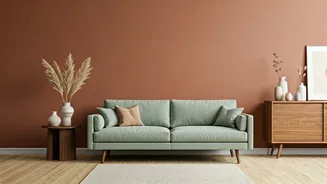
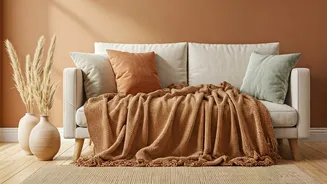
At the heart of the earthy trend are the warm, reddish-browns of terracotta, clay, and rust. These colors evoke a sense of sun-baked earth and handmade pottery, bringing an immediate feeling of warmth and stability to a room. Unlike a bold primary red, which can feel energizing or even aggressive, terracotta has a muted, grounded quality that is both welcoming and chic. It’s incredibly versatile. A terracotta accent wall in a living room or office can create a cozy, inviting focal point without overwhelming the space. If an entire wall feels like too much commitment, you can introduce this color through textiles. Think velvet throw pillows, a woven area rug, or linen curtains. These shades pair beautifully with creamy whites, deep greens, and natural wood tones, making them easy to integrate into many existing decor styles.
Restorative Greens: From Sage to Olive
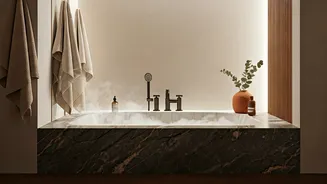
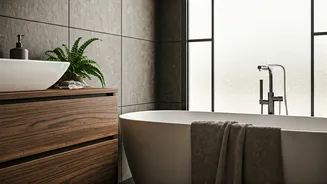
Green has long been associated with tranquility, and the specific shades trending now are pulled straight from a botanical garden. Forget jarring lime; today's popular greens are soft, complex, and calming. Sage green, with its grayish undertone, is a top choice for bedrooms and bathrooms, creating a spa-like atmosphere that promotes rest. It’s a neutral that feels more interesting and alive than a simple beige or gray. Olive and moss greens offer a deeper, more dramatic option. These shades feel lush and enveloping, perfect for creating a moody and sophisticated library or dining room. They connect us to the deep quiet of a forest. Green is also one of the easiest colors for our eyes to process, which may contribute to its calming effect. It’s nature’s neutral, and bringing it inside serves as a gentle reminder of the restorative power of the outdoors.
The New Neutrals: Mushroom and Sand
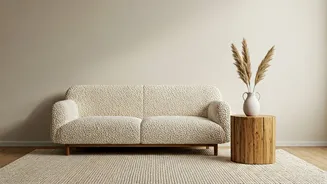
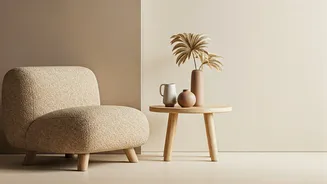
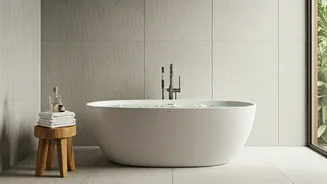
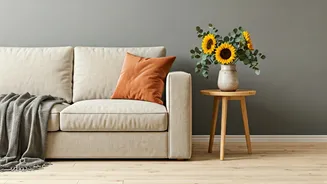
For those who prefer a more minimalist or neutral backdrop, the earthy palette offers a warm alternative to the cool grays that have been ubiquitous for the past decade. Colors like mushroom, taupe, greige (a mix of gray and beige), and sand provide a soft, versatile foundation that feels anything but boring. These tones have more warmth and complexity than a flat white, preventing a space from feeling sterile. They are the color of stones, sand, and weathered wood—materials that speak to endurance and serenity. These warm neutrals are perfect for large, open-concept spaces, as they create a cohesive and calming flow. They also provide the perfect canvas for layering other textures and colors. A room painted in a soft, sandy beige comes alive when paired with a rich olive green sofa, terracotta pots, and light wood furniture.
More Than Just Paint
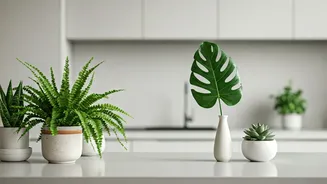
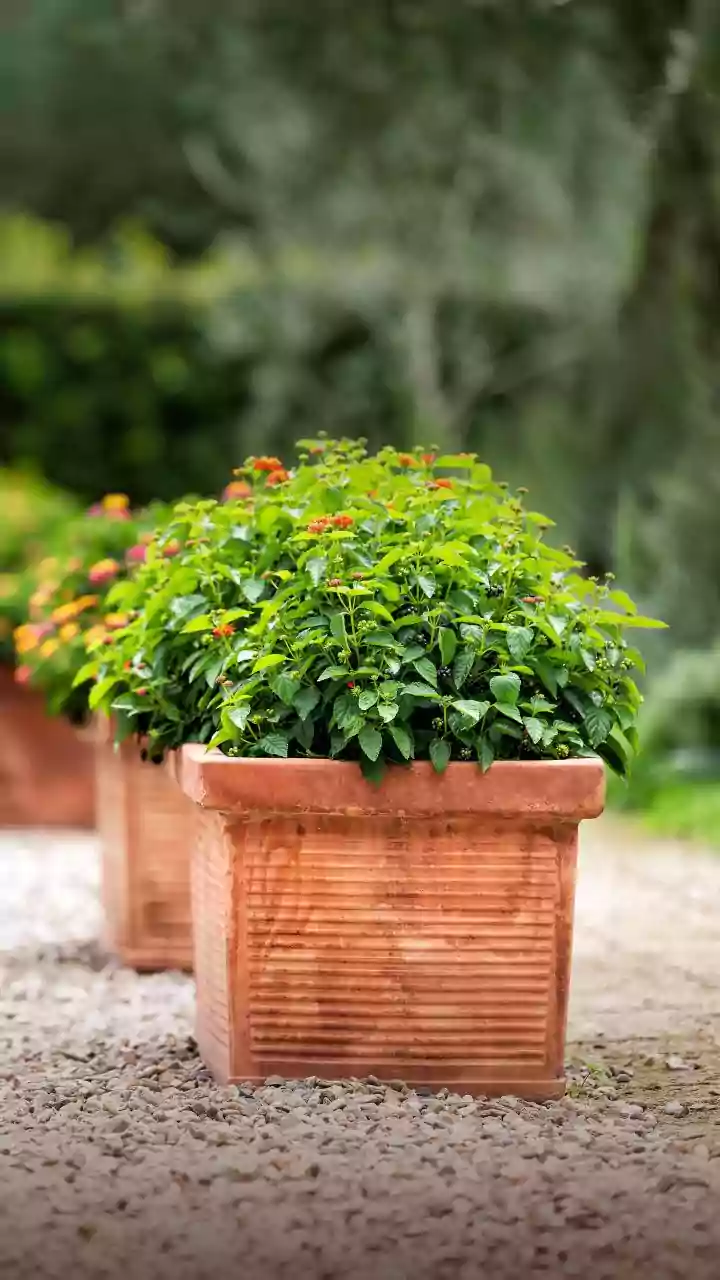
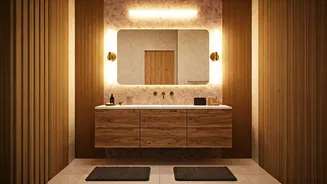
Creating a peaceful, earthy home isn't limited to what you put on your walls. The true power of this trend lies in texture and material. If you're not ready to repaint, you can weave this palette into your home in countless other ways. Focus on natural materials: a jute or sisal rug, rattan light fixtures, unpainted wood furniture, and stone coasters or serving boards. Incorporate textiles in these colors, such as chunky knit blankets in an oatmeal shade or throw pillows in a deep rust. And, of course, the most direct way to bring nature inside is with plants. A collection of houseplants in terracotta or ceramic pots adds literal life and restorative green hues to any corner of your home. These tactile elements work in concert with the color palette to build a layered, sensory experience that feels deeply comforting and genuinely peaceful.