





The Monsoon Gardener's Dilemma
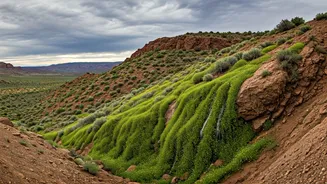
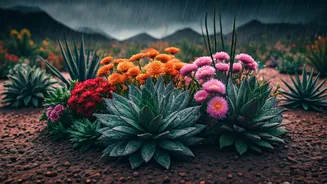
Gardening in a monsoon climate, particularly in states like Arizona and New Mexico, is a test of patience and strategy. The season is defined by a dramatic shift from blistering, dry heat to a period of intense, often violent, thunderstorms, high humidity,
and torrential rain. Plants that thrived in the arid weeks of early summer can suddenly find themselves waterlogged, their roots struggling in saturated soil. Fungal diseases and pests, dormant in the dry heat, explode into action with the arrival of moisture. It’s a botanical gauntlet: plants must be tough enough to withstand weeks of scorching sun and then resilient enough to not drown or succumb to pests when the deluge finally arrives. Many delicate ornamentals and vegetables falter, leaving garden beds looking battered. This is the challenge the monsoon gardener faces every year—finding plants that can not only survive but actually flourish in this beautiful, chaotic season.
Color That Defies the Clouds
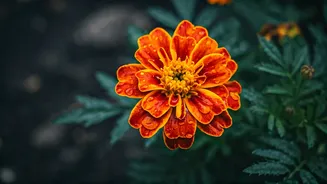
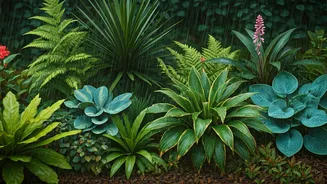
This is where the marigold enters, not with delicate fussiness, but with rugged cheer. While other flowers are beaten down by heavy rain, the sturdy stems and dense blooms of marigolds hold their ground. Their vibrant bursts of orange, yellow, and deep red are a visual anchor in the garden, a splash of sunshine on the grayest, most overcast days. During a monsoon, the landscape explodes in green. The marigold’s warm palette provides a stunning and necessary contrast, drawing the eye and bringing a sense of deliberate design to what can otherwise feel like overgrown chaos. They bloom profusely and continuously, unfazed by the heat or the humidity, offering a reliable source of color from the first rumbles of thunder in July until the season wanes in September. In a time of unpredictable weather, their steadfast vibrancy feels like a small, joyful act of defiance.
A Natural Pest Patrol
The marigold’s heroism extends beyond its good looks. It is a legendary workhorse of companion planting, and its benefits are amplified during the monsoon. The increased moisture and humidity create a paradise for pests both above and below the soil. Marigolds, particularly French marigolds (Tagetes patula), release a chemical called thiophene from their roots, which is famously effective at repelling root-knot nematodes—microscopic worms that can devastate vegetable crops like tomatoes and peppers. Above ground, their pungent scent is known to deter a host of other unwanted insects, from squash bugs to tomato hornworms. By interplanting marigolds throughout a vegetable patch or along the border of a flower bed, a gardener creates a natural, protective barrier. This reduces the need for chemical pesticides, which can easily be washed away by heavy rains anyway. The marigold works quietly, protecting its neighbors and contributing to a healthier garden ecosystem.
Thriving in the Downpour
A plant’s ability to handle water is critical during monsoon season. The issue isn't just the amount of rain, but the intensity. Storms can dump inches of water in under an hour, turning well-tended beds into muddy swamps. While many plants suffer from root rot in such conditions, marigolds are surprisingly resilient. They don’t love constantly saturated soil, but they tolerate the cycle of intense drenching followed by sunny, drying-out periods that defines monsoon weather, especially in the well-draining, sandy soils common to the Southwest. They have a tenacity that belies their commonness. They don't require special shelter or care when the storm clouds gather. They simply take the rain, perk back up when the sun emerges, and get on with the business of blooming. This toughness makes them an incredibly low-stress choice for a high-stress season.