


The Burnout From 'Stunt Food'
Remember the unicorn craze? Or the brief, baffling era of cheese pulls that defied physics? For the better part of a decade, winning on social media meant going bigger, brighter, and more absurd. Food was less about nourishment and more about performance—a
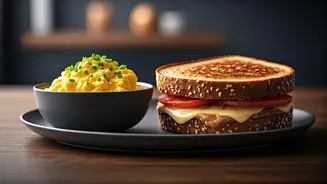
phenomenon food writers dubbed 'stunt food.' It was designed not for eating, but for stopping a scroll. While visually arresting, it created a culture of aspirational exhaustion. Home cooks felt pressure to create elaborate, photogenic masterpieces, and the simple joy of, say, a perfect grilled cheese felt lost in the shuffle. This maximalist aesthetic has finally hit a wall. Viewers and creators alike are experiencing a collective burnout. The perfectly curated, impossibly pristine food content that once dominated platforms like Instagram now feels slightly dated, even inauthentic. In its place, a new appreciation for realism has emerged. People are craving connection, not just spectacle. They want to see food that looks like something they could, and would, actually make and eat themselves.
The New Confidence of Simplicity
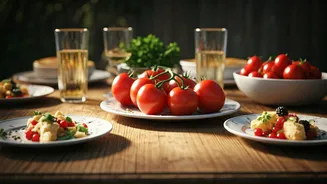
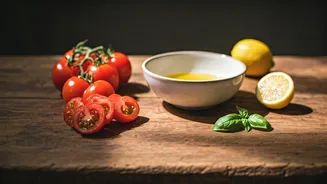
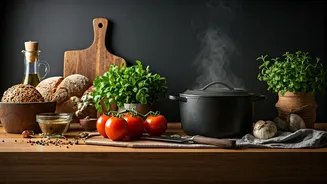
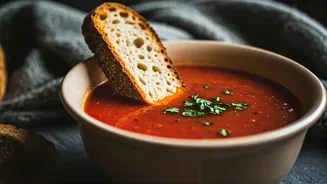
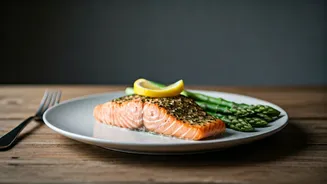
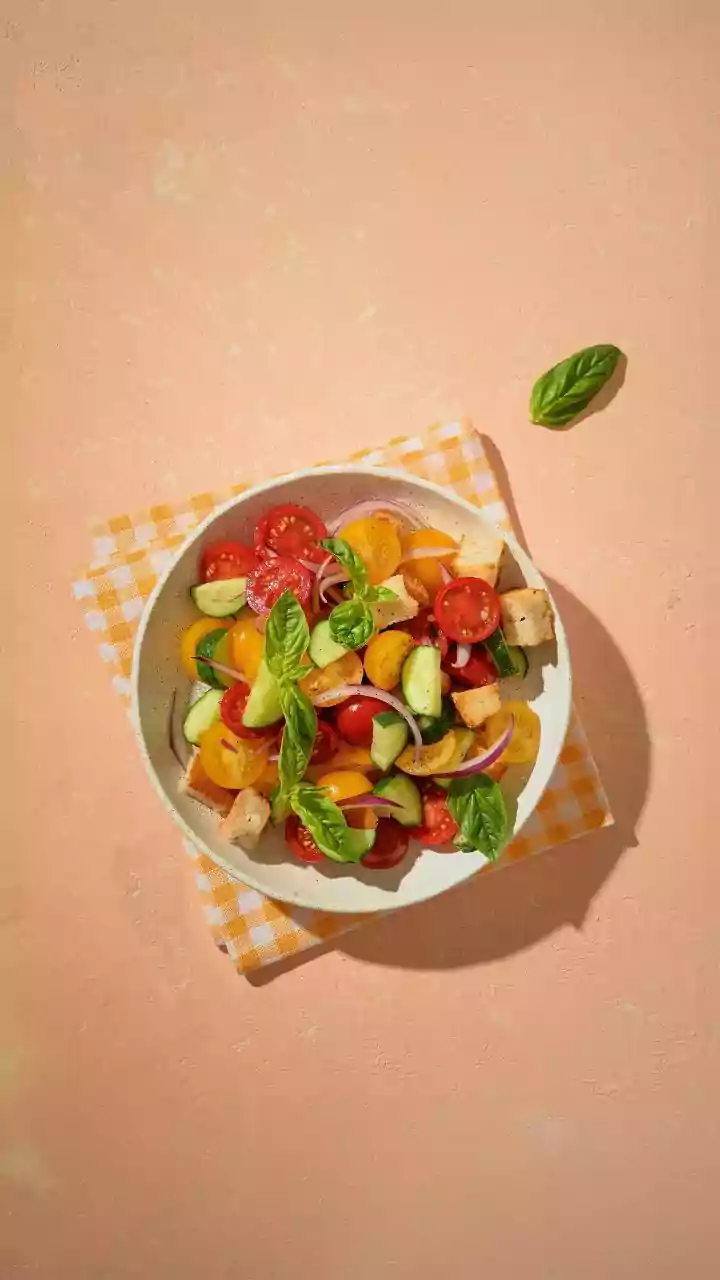
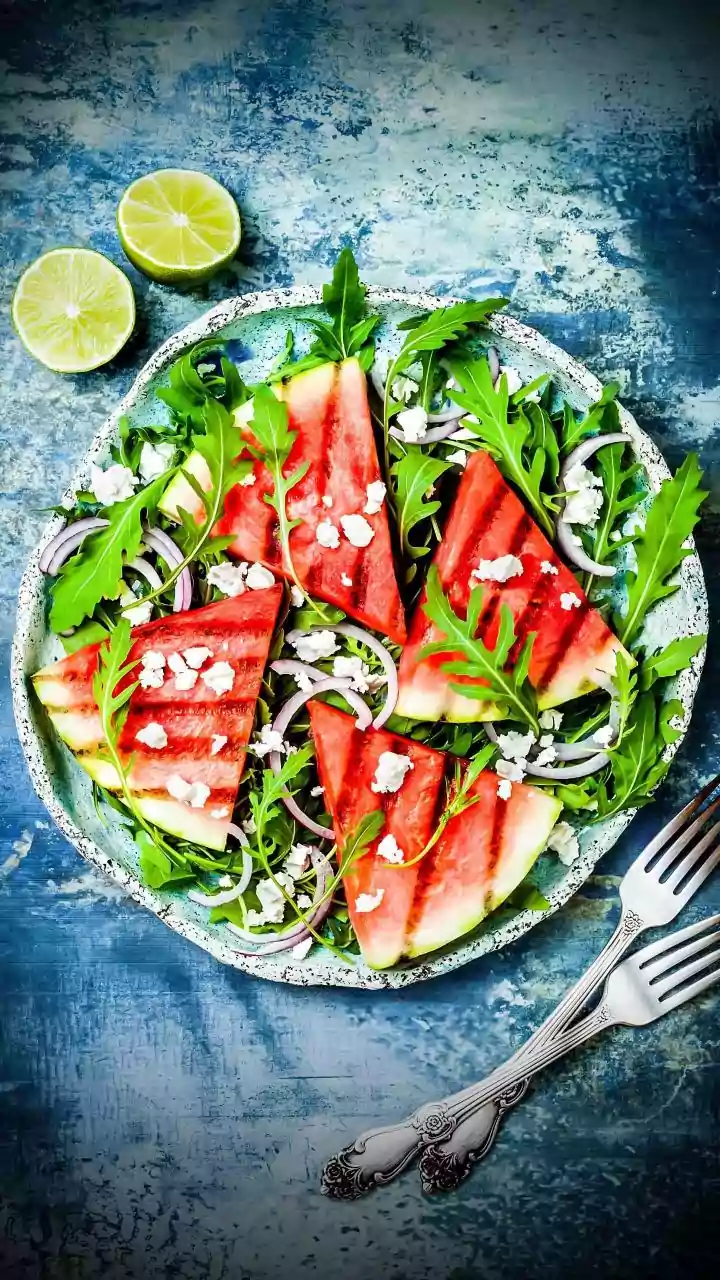
Posting a simple plate is an act of confidence. It says, 'This olive oil is so good, it's all this pasta needs.' It declares, 'These tomatoes are perfect, and they are the star.' Unlike a dish buried under ten layers of garnishes and sauces, a simple plate has nowhere to hide. Its success relies entirely on the quality of its ingredients and the competence of the cook. This shift celebrates the core of what makes food great: flavor, texture, and care. Think of the rustic, 'ugly-delicious' aesthetic championed by chefs and food writers who encourage drips, crumbles, and imperfections. A photo of a jammy, slightly messy tomato galette or a bowl of cacio e pepe with a few stray specks of pepper on the rim feels more honest and inviting than a sterile, studio-shot burger. It communicates a different set of values—not perfection, but pleasure. It’s the visual equivalent of a relaxed dinner party where no one is afraid to spill a little wine.
Viral Simplicity in Action
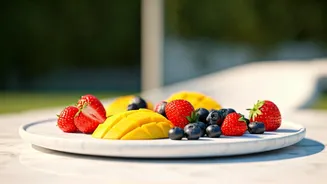
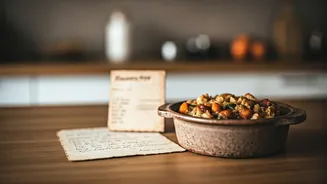
The proof is in the feed. The viral baked feta pasta of 2021 wasn't a feat of molecular gastronomy; it was a block of cheese, some tomatoes, pasta, and olive oil. Its appeal was its foolproof simplicity. More recently, the 'girl dinner' trend took over TikTok, showcasing snack-plate assortments of cheese, bread, pickles, and fruit. Critics debated its nutritional merits, but they missed the point: it was a celebration of low-effort, high-satisfaction eating, free from the tyranny of a 'proper' meal. Creators like Alison Roman built entire empires on this ethos, with recipes like 'The Stew' or 'The Cookie' becoming internet-wide phenomena precisely because they were achievable, flavorful, and looked fantastic without fussy styling. They look like real food, shot in a real kitchen, ready to be eaten. This approach resonates because it closes the gap between the creator and the audience, making good food feel accessible again.
How to Let Your Simple Plate Shine
Embracing this trend doesn’t require a photography class. It’s about shifting your mindset. First, focus on light. Natural light from a window is the best friend of any food photo, simple or complex. It reveals texture and makes colors pop without the harshness of a flash. Second, get close. A tight shot of glistening pasta or the flaky crust of a pie is more compelling than a wide shot of your entire kitchen. Third, embrace the narrative. Your caption can add the context that a simple photo might lack. Talk about where you got the ingredients, what the dish reminds you of, or just how good it tasted. The story is part of the appeal. Ultimately, the 'win' isn't about getting the most likes; it's about sharing something you genuinely enjoyed making and eating. That authenticity is what people are hungry for.