






The Search for Accessible Wellness
For years, the wellness industry pushed a narrative of intensity: high-impact workouts, punishing routines, and a “go hard or go home” mentality. But a significant cultural shift is underway. Americans are increasingly seeking gentler, more sustainable
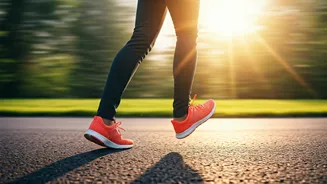
forms of movement, and walking fits the bill perfectly. It’s free, requires no special equipment, and can be done almost anywhere. This trend accelerated post-pandemic, as people re-evaluated their relationship with high-stress environments, including gyms. The appeal of walking lies in its profound accessibility. It’s a form of exercise that doesn't demand peak physical condition to start, making it an inviting entry point for people of all fitness levels who felt excluded by the elite, high-performance culture of modern fitness.
The Psychology of the Streak
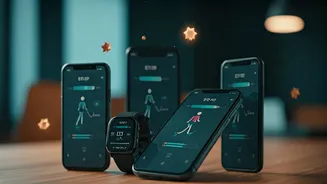
So why a “challenge” and not just a simple walk? The answer lies in human psychology. Framing a daily walk as part of a challenge—whether it’s for 30 days, 75 days, or hitting 10,000 steps—taps into our innate desire for structure, progress, and achievement. It gamifies the activity. Daily checkmarks, progress trackers on an app, and the motivating power of maintaining a “streak” provide a dopamine hit that a casual, unstructured stroll might not. These challenges offer a clear, measurable goal and a defined endpoint, transforming a mundane activity into a rewarding project. This structure provides a sense of control and accomplishment in a world that often feels chaotic, making the simple act of putting one foot in front of the other feel like a meaningful victory.
From Solo Stroll to Social Movement
Walking may be a solo activity, but its recent surge in popularity is a deeply social phenomenon. Platforms like TikTok and Instagram are filled with hashtags like #75Soft, #HotGirlWalk, and #10kstepsaday, where participants share their progress, routes, and encouragement. This creates a powerful sense of community and shared purpose. Seeing others commit to the same goal provides motivation and accountability. Some challenges are explicitly social, involving virtual teams walking the length of a country or competing for a collective step count. This digital camaraderie turns a personal health journey into a collective experience, battling the isolation that can sometimes accompany fitness goals and creating a supportive ecosystem that helps people stay on track.
Meet the Popular Challenges
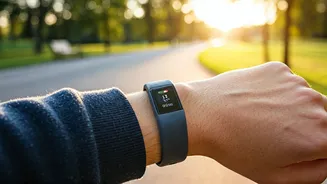
Not all walking challenges are created equal. Some of the most popular formats tap into different motivations. The “75 Soft Challenge,” a gentler alternative to the grueling “75 Hard,” typically involves a 45-minute daily walk, healthy eating, and drinking plenty of water, but with more flexibility. The classic “10,000 Steps a Day” remains a dominant goal, easily tracked by smartphones and fitness watches. Then there are themed virtual challenges, where apps allow you to “walk” the Appalachian Trail or the coast of Italy, unlocking milestones and virtual postcards as you log miles in your own neighborhood. These formats show the versatility of the trend, offering everything from a simple daily habit tracker to an immersive virtual adventure.
More Than Just Physical Fitness
Perhaps the most significant driver of this trend is the growing recognition of walking's profound mental health benefits. A daily walk is a proven tool for reducing stress, anxiety, and symptoms of depression. It offers a dedicated time to disconnect from screens, process thoughts, listen to a podcast, or simply be present in one’s surroundings. Unlike a high-intensity workout that can sometimes feel like another source of pressure, walking is restorative. It’s a form of active meditation that combines gentle physical exertion with mental clarity. In our always-on, digitally saturated culture, the simplicity of a walk—a designated time to move, breathe, and think—is not just a form of exercise, but a radical act of self-care.