

The Desert Slot Canyon
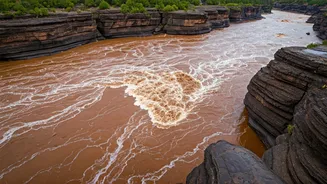
Southern Utah's slot canyons, like The Narrows in Zion National Park or Antelope Canyon in Arizona, are geological masterpieces. Their smooth, sculpted sandstone walls create an otherworldly experience. But these natural wonders are carved by the very
force that makes them dangerous: flash floods. A storm that’s miles away, completely out of sight and hearing, can send a sudden, powerful wall of water rushing through a canyon with no warning and no escape routes. The danger isn't just the water's depth, but its speed and the debris—rocks, logs, and sand—it carries, acting like a liquid battering ram. Being a smart traveler here means becoming a part-time meteorologist. Before you even consider entering a slot canyon, check the detailed forecast not just for the canyon itself, but for the entire upstream watershed. A clear sky above you means nothing if there's a thunderstorm 20 miles up the drainage. Always check in with park rangers or certified local guides, as they have the most up-to-date information on conditions. If there is any chance of rain in the forecast, do not go. It is a simple rule that has saved countless lives.
The Idyllic Coastal Town
Venice, the Florida Keys, the stunning islands of Thailand—we are drawn to the edge of the land. Coastal communities offer unparalleled beauty and access to the ocean. However, living at sea level comes with inherent risks that are only growing with climate change. The most dramatic threat is storm surge, the abnormal rise of water generated by a storm, over and above the predicted astronomical tides. During a hurricane or typhoon, storm surge is the leading cause of coastal flooding and fatalities.
Beyond major storms, many beautiful coastal areas now experience 'sunny-day flooding,' where unusually high tides spill into streets and low-lying areas without a storm in sight. While less destructive, it can disrupt travel, damage vehicles, and create sanitation issues. When planning a coastal trip, be aware of the storm season (e.g., June to November for the Atlantic hurricane season). Pay close attention to local news and emergency alerts. If an evacuation is suggested or ordered, leave immediately. Your hotel should have an evacuation plan—ask about it when you check in.
The Historic River City
Cities like New Orleans, Savannah, or the charming towns lining Europe's Danube and Rhine rivers often owe their existence and character to the waterways beside them. They are centers of history, culture, and commerce. Unlike the sudden violence of a flash flood, riverine flooding is typically a slower, more predictable event. It happens when heavy, prolonged rainfall or rapid snowmelt causes a river to overflow its banks. While this gives authorities more time to issue warnings, the scale of the flooding can be immense, inundating entire neighborhoods and regions for weeks.
For travelers, the main risk isn't being caught by surprise, but having a trip completely derailed. A city under a flood warning may have closed attractions, impassable roads, and strained emergency services. Before booking travel to a river city, especially during traditional spring flood seasons, do a quick search for local river level forecasts. The U.S. Army Corps of Engineers and the National Weather Service provide excellent public data on river gauges. Being aware of regional conditions can help you avoid a washed-out vacation.
Your Universal Flood-Safety Toolkit
Regardless of your destination, a few key principles of flood safety apply everywhere. First and foremost, internalize the phrase: "Turn Around, Don't Drown." It is impossible to judge the depth of floodwater or how fast it is moving. A mere six inches of moving water can knock you off your feet, and just a foot can sweep a vehicle away. Never walk, swim, or drive through floodwaters.
Second, have multiple ways to receive emergency alerts. Don't rely solely on your phone's cellular service, which can be spotty in remote areas or fail during a major disaster. Consider a hand-crank weather radio. Third, always respect barriers and official instructions. They are there for your protection. If a road, trail, or area is closed, it's for a reason you may not be able to see. Finally, let someone know your detailed itinerary and check in regularly. A simple text can be a lifeline if you run into trouble.