

The Undeniable Power of Nostalgia
Let’s be clear: there is nothing inherently wrong with Indian comfort food. The slow-simmered bliss of a dal makhani, the restorative simplicity of rice and yogurt, the hearty embrace of rajma chawal—these dishes are culinary heirlooms, passed down through
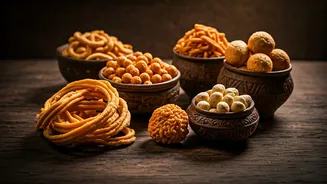
generations. They are an anchor to identity, a story told in spices. A spoonful of a perfectly cooked khichdi can transport you back to a childhood kitchen, a feeling of being cared for and completely at ease. This emotional weight is precisely why the idea of changing these recipes can feel like sacrilege. To suggest an 'upgrade' is not to dismiss this legacy. Instead, it’s to acknowledge that the world around these foods has changed, and for them to continue thriving, they must adapt without losing their soul.
An Upgrade in Wellness, Not a Downgrade in Flavor
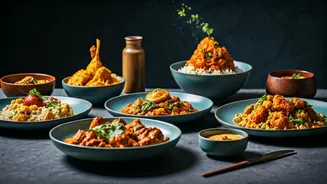
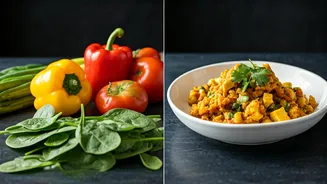
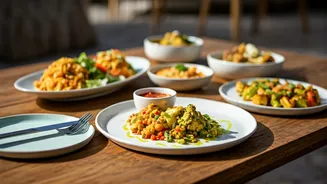
The first, and perhaps most important, area for an upgrade is health. Traditional preparations, while delicious, can often be heavy with ghee, cream, and oil. A 'new-age' approach isn’t about making 'diet' Indian food, which is often a bland and soulless affair. It’s about smart substitutions and modern techniques. Think of a butter chicken where the sauce gets its creaminess from puréed cashews instead of heavy cream, or a biryani cooked with brown basmati rice and packed with more vegetables than tradition dictates. It’s about pan-searing a paneer cutlet in minimal oil before adding it to a rich gravy, rather than deep-frying it. Chefs across the U.S. are already proving this is possible, creating dishes that are lighter and more aligned with contemporary wellness values but still deliver that crucial, soul-satisfying depth of flavor. This isn't about deprivation; it's about ingenuity.
Making Time for Tradition
Let's talk about the clock. The leisurely, multi-step process of creating a complex curry or a layered biryani is a beautiful ritual, but it’s a luxury many can no longer afford on a Tuesday night. The modern upgrade addresses the time crunch. This can manifest in several ways. For the home cook, it might mean embracing the Instant Pot to turn a four-hour dal into a one-hour affair. It means smarter meal prep, like making a large batch of foundational 'tari' (curry base) on a Sunday to be adapted throughout the week. For restaurants, it’s about deconstructing dishes to their essential components, allowing for quicker assembly without sacrificing quality. A new-age approach respects that our lives are faster now, and it provides pathways to keep these beloved foods on the table, not just on special occasions.
A Playful Nod to a Global Palate
Finally, the upgrade is about creativity and conversation. Indian food has never existed in a vacuum; its history is one of absorbing and adapting influences. Today's upgrade continues that tradition. It’s about a new generation of chefs and home cooks who grew up with both Indian flavors and a global pantry. This leads to exciting, sometimes surprising, innovations. Think of a classic aloo tikki (potato patty) served like a slider in a brioche bun, a pani puri filled with avocado-and-jalapeño-infused water, or a masala mac and cheese that brilliantly marries two ultimate comfort foods. These aren’t gimmicks; they are expressions of a bicultural identity. They make the cuisine more approachable to newcomers and provide a thrill of novelty for those who know the classics by heart. This playful spirit ensures Indian food remains a dynamic, living cuisine, not a museum piece.