






1. Following Too Closely
On a dry road, the “three-second rule” is a decent guideline for maintaining a safe following distance. In the rain, that’s not nearly enough. Water on the pavement can dramatically increase your vehicle’s stopping distance. When the car in front of you passes
a fixed object like a signpost or an overpass, you should be able to count a full five or six seconds before you pass the same spot. This buffer gives you more time to react to sudden stops and reduces the risk of a rear-end collision. It also helps you avoid the spray kicked up by the vehicle ahead, which can momentarily blind you. If someone is tailgating you, resist the urge to speed up. Instead, maintain your speed and, if possible and safe, move over to let them pass.
2. Driving Too Fast for Conditions
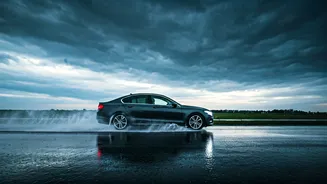
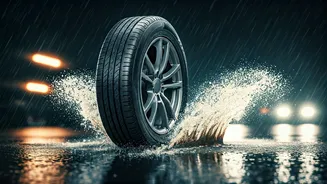
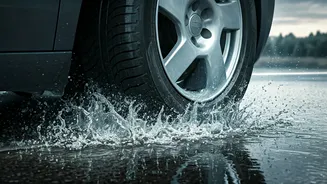
This isn't about breaking the speed limit; it's about exceeding the *safe* speed for the situation. The posted speed limit is designed for ideal, dry conditions. As soon as rain begins to fall, you should reduce your speed by at least a third. Driving too fast on wet roads is the primary cause of hydroplaning, a terrifying situation where your tires lose contact with the road surface and skim across a layer of water. At speeds as low as 35 mph, your tires can begin to lose their grip. By slowing down, you allow the grooves in your tires to do their job: channeling water away and keeping the rubber in contact with the asphalt.
3. Forgetting About Cruise Control
Cruise control is a fantastic feature for long, dry highway stretches. In the rain, it’s a liability. The system is designed to maintain a constant speed, and it will continue to apply acceleration even when your car starts to hydroplane. If this happens, the wheels can spin faster while they have no grip. When the tires finally regain contact with the pavement, the sudden burst of acceleration can cause the car to lurch or spin out of control. When it's wet, your right foot is the best cruise control you have. Keep it engaged and ready to respond to changing road feel and traction.
4. Panicking During a Hydroplane
It’s one of the scariest moments behind the wheel: the steering suddenly feels light and unresponsive. You’re hydroplaning. The instinctive reaction is to slam on the brakes or jerk the steering wheel, but both are the worst things you can do. Braking can lock the wheels, and sharp steering inputs can send the car into a spin once traction is restored. The correct response is counterintuitive: calmly take your foot off the accelerator. Do not brake. Keep the steering wheel straight or make only very gentle corrections in the direction you want to go. As the car slows, the tires will regain contact with the road, and you will feel control return.
5. Ignoring Your Tire Condition
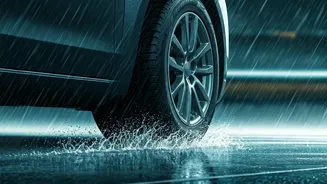
The most important safety feature for wet-weather driving isn’t your car’s advanced electronics; it’s the four patches of rubber connecting you to the road. Worn-out tires with shallow tread can’t channel water effectively, making them far more susceptible to hydroplaning. Check your tire pressure regularly, as under-inflated tires can also negatively affect handling in the rain. A simple way to check tread depth is the penny test: place a penny with Lincoln’s head upside down in the tread groove. If you can see the top of his head, your tires are worn and likely need replacing. This is a check you should do *before* the rainy season begins, not during a downpour.
6. Over-Relying on Modern Safety Features
All-wheel drive (AWD), anti-lock brakes (ABS), and traction control are incredible engineering feats, but they don’t defy the laws of physics. AWD can help you accelerate from a stop in slippery conditions, but it does little to help you stop faster or prevent hydroplaning. Similarly, ABS helps prevent your wheels from locking up during a hard brake, allowing you to maintain steering control, but it may not shorten your stopping distance on a wet surface. These systems are driver aids, not a force field. Thinking your high-tech SUV is invincible in the rain is a dangerous form of overconfidence that can lead to taking unnecessary risks.