



1. Master the Quick Pickle
Forget the intimidating, week-long canning projects of your grandmother’s era. The quick pickle is your new best friend. This technique, also known as refrigerator pickling, transforms almost any crisp vegetable into a bright, acidic firework in just
a few hours. All you need is a simple brine of equal parts vinegar (apple cider or white wine vinegar works well) and water, plus a tablespoon of salt and a tablespoon of sugar per cup of liquid. Bring it to a simmer to dissolve the salt and sugar, then pour it over sliced cucumbers, green beans, red onions, or even zucchini spears packed into a jar. Add flavorings like garlic cloves, dill, peppercorns, or mustard seeds. Let it cool, screw on the lid, and stick it in the fridge. By dinnertime, you’ll have tangy, crunchy pickles to slice onto sandwiches, toss into salads, or serve alongside grilled meats. It’s the fastest way to add a bolt of excitement to a simple meal and extend the life of that vegetable drawer avalanche.
2. Turn Fruit into Savory Sauces
We tend to relegate fruit to dessert, but its natural sweetness and acidity make it a perfect partner for savory dishes. Instead of another pie, think about creating a fruit-based sauce or chutney. Simmer down pitted cherries with a splash of balsamic vinegar, a little brown sugar, and a sprig of thyme for a rich sauce that’s phenomenal with pork chops or duck. Grill thick slices of pineapple or peaches until they’re caramelized and smoky, then chop them into a salsa with red onion, cilantro, and jalapeño to serve with fish tacos. Even apricots can be cooked down with shallots, ginger, and a pinch of curry powder to create a complex chutney for chicken or cheese boards. This approach shifts fruit from a sweet afterthought to a core component of the main course, adding unexpected depth and elegance.
3. Drink Your Produce with Shrubs
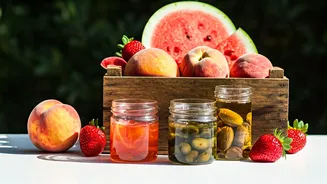
One of the most exciting and historic ways to preserve fruit is by making a shrub—a tart, concentrated syrup made from fruit, sugar, and vinegar. The process is shockingly simple: macerate chopped fruit (berries, peaches, plums) with an equal amount of sugar and let it sit for a day or two until the sugar has drawn out all the juices. Strain the resulting syrup, then mix it with an equal amount of vinegar (apple cider vinegar is a great all-purpose choice). The result is a sweet-and-sour concentrate that keeps for months in the fridge. A splash of shrub mixed with sparkling water creates a sophisticated, refreshing non-alcoholic beverage. It’s also a game-changing cocktail ingredient, adding a complex base to drinks with gin, vodka, or bourbon. It’s a taste of summer you can bottle.
4. Make Savory Vegetable Jams
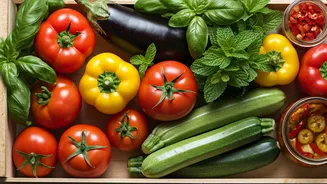
When you’re drowning in tomatoes or zucchini, jam isn’t just for fruit. Savory jams and relishes are an incredible way to concentrate and preserve the essence of summer vegetables. The classic is tomato jam: slowly cook down ripe tomatoes with sugar, vinegar, and spices like cinnamon and cloves until it’s thick and glossy. It’s a condiment that will elevate a simple burger or grilled cheese to something special. Have too much zucchini? Grate it and cook it down with onions, bell peppers, and spices to make a zucchini relish that’s a perfect topping for hot dogs. These preserves capture peak-season flavor in a jar, allowing you to pull out a taste of August in the middle of October.
5. Use Every Single Scrap
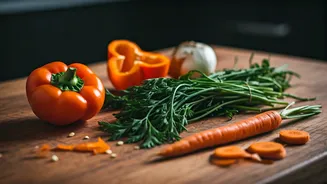
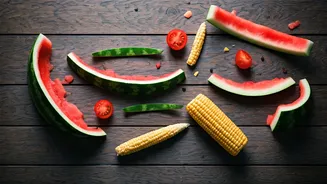
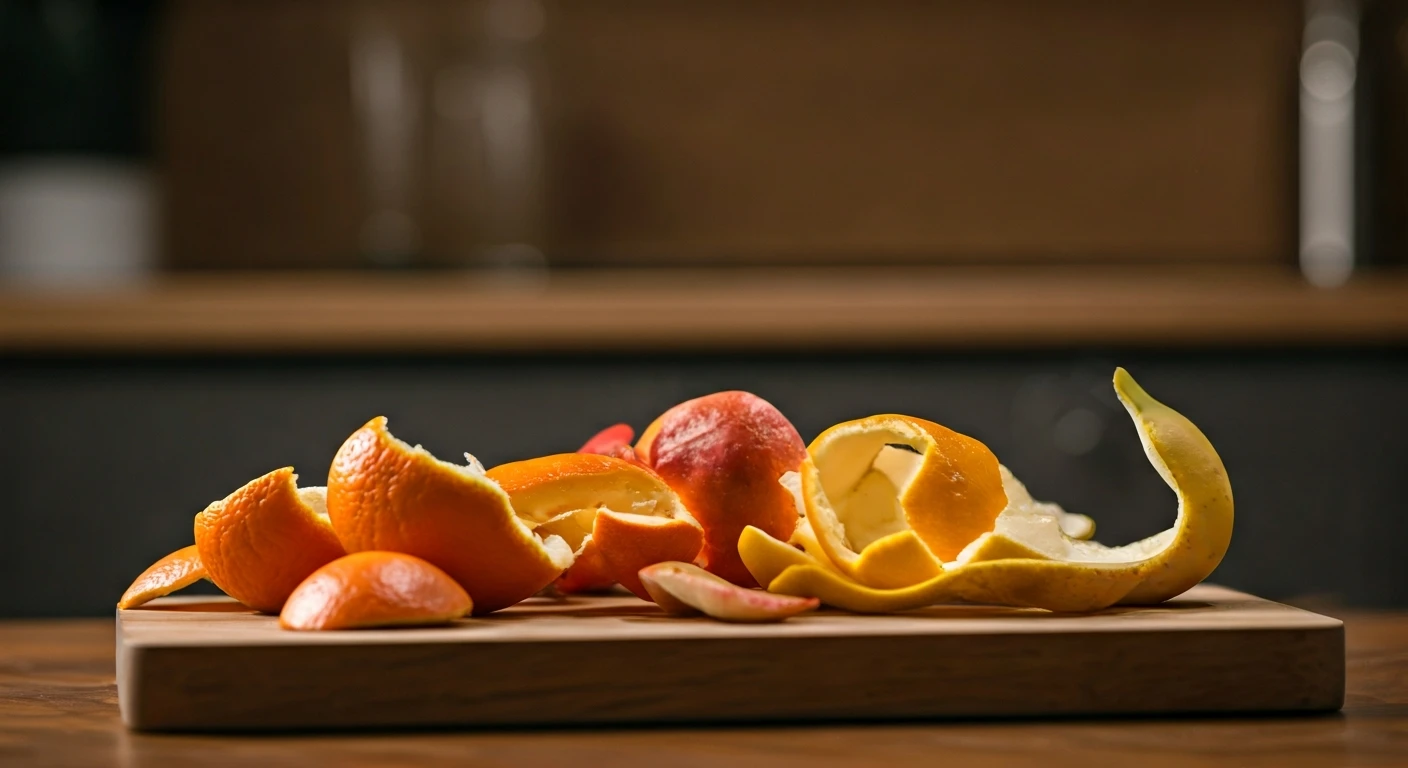
Getting more from your produce isn't just about new recipes; it’s about a new mindset. The parts of vegetables we typically toss are often packed with flavor. After you’ve cut the kernels off a corn cob, don’t throw it out. Simmer the cobs in water with an onion and some herbs to create a sweet, fragrant corn stock that will become the base for an unbelievable chowder or risotto. Turn carrot tops, beet greens, or radish leaves into a rustic, peppery pesto. Even watermelon rinds can be pickled into a crunchy, sweet-and-sour treat. This nose-to-tail approach to vegetables not only reduces food waste and saves money but also unlocks a new layer of creativity in the kitchen, forcing you to see a humble carrot not just as a root, but as a whole world of possibilities.