








The Samosa, Unfried
The undisputed king of Indian appetizers, the samosa is traditionally a deep-fried pyramid of dough stuffed with spiced potatoes and peas. It’s delicious, but it's also a calorie-dense indulgence. The modern update? Baking or air-frying. By ditching the deep fryer,
you slash the fat content while still achieving a satisfyingly crisp exterior. The fillings are getting a makeover, too. Think fillings made with lean ground chicken, lentils, or a medley of roasted vegetables instead of just potatoes. These aren't just lighter; they're often more nutrient-dense, turning a guilty pleasure into a more balanced bite.
Chaat, Reimagined
Chaat is less a single dish and more a category of savory, tangy, and spicy street snacks. A typical plate might involve fried dough wafers (papdi), potato, chickpeas, yogurt, and sweet-and-sour tamarind chutney. While full of vibrant flavor, it can be heavy on fried components and sugary sauces. The healthier framing focuses on fresh, whole ingredients. Modern chaats often resemble hearty salads, building a base of sprouted mung beans, fresh corn, and pomegranate seeds. The fried papdi might be replaced with baked whole-wheat crackers, and the yogurt dressing is often unsweetened or lightly sweetened with dates, keeping the creamy texture without the sugar rush.
Biryani's Ancient Grain Upgrade
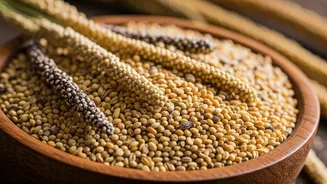
A celebratory one-pot rice dish layered with fragrant spices and meat or vegetables, biryani is a centerpiece of Indian feasts. The main ingredient is traditionally long-grain basmati rice. While delicious, the health-conscious are swapping it out for ancient grains. Quinoa biryani offers a complete protein, while millet biryani provides a gluten-free, fiber-rich alternative. These versions not only add nutritional value but also introduce a new, nutty texture that complements the classic spices beautifully. Chefs are also loading them with more vegetables than ever before, making it a more balanced meal-in-one.
Lassi's Low-Sugar Glow-Up
The classic yogurt-based smoothie is the perfect antidote to a hot day or a spicy meal. But traditional sweet lassis can be loaded with refined sugar. The new-school lassi is all about clean ingredients and functional benefits. You'll now find them sweetened with a touch of honey, maple syrup, or fruit purée instead of white sugar. Dairy-free versions made with almond, coconut, or oat milk yogurt are also becoming common. Many cafes and restaurants are adding 'superfood' boosts like turmeric for its anti-inflammatory properties, chia seeds for fiber, or spinach for a green-smoothie vibe, turning the refreshing drink into a wellness tonic.
Tandoori, Lean and Clean
Marinated in yogurt and spices and cooked in a blisteringly hot clay tandoor oven, tandoori chicken is already one of the healthier options on an Indian menu. The modern framing simply doubles down on what makes it great. The focus is on the high-heat, low-fat cooking method itself. You’re seeing this technique applied to a wider array of lean proteins like fish and prawns, as well as hearty vegetables like cauliflower, broccoli, and paneer. The marinades are also evolving, with some chefs using lighter yogurt or even citrus-based marinades to cut down on dairy, resulting in a dish that feels incredibly clean and flavorful.
Kulfi Goes Plant-Based
Often described as traditional Indian ice cream, kulfi is denser and creamier than its Western counterpart because it's not whipped. It's traditionally made by slow-cooking milk until it reduces and caramelizes, a process that concentrates both flavor and calories. The wellness-focused reboot centers on plant-based alternatives. Creamy, full-fat coconut milk or cashew cream provide the perfect base for a dairy-free kulfi that's just as decadent. These versions often use natural sweeteners like agave or coconut sugar and come in modern flavor profiles like avocado-lime or rose-pistachio, making for a refreshing, guilt-free summer dessert.