


Embrace Verticality: Look Up!
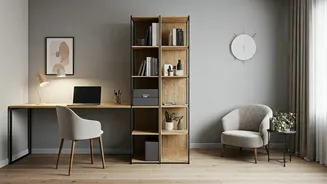
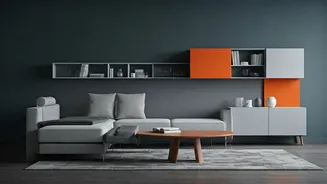
When you can't build out, build up. This is the first commandment of small-space living. Floor space is a precious commodity, but most of us have acres of unused real estate on our walls. Instead of a wide, short bookcase, opt for a tall, narrow one that
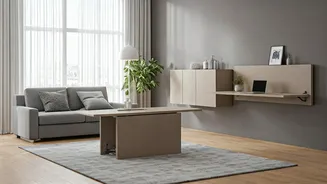
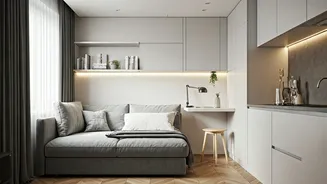
draws the eye upward. Install floating shelves above your desk, television, or even the toilet to store books, plants, or decorative items. In the kitchen, a wall-mounted magnetic knife strip frees up an entire drawer, and a hanging pot rack can be a game-changer. By utilizing vertical space, you not only add storage but also create the illusion of higher ceilings and a more open, airy room.
Invest in Multifunctional Marvels
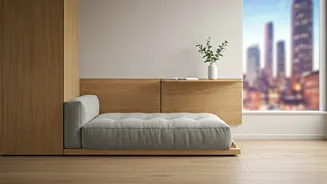
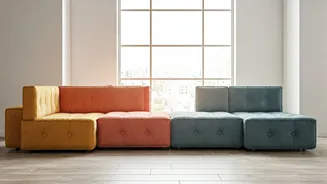
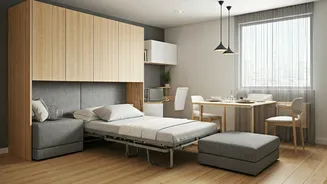
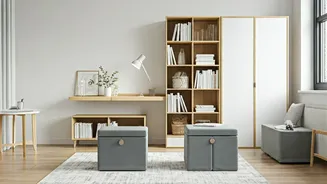
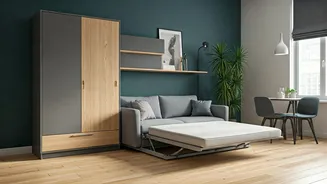
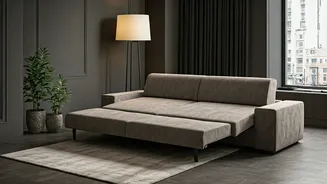
The single-use item is the enemy of the space-conscious. Today's furniture designers are creating brilliant, chameleon-like pieces that work twice as hard. An ottoman isn't just a footrest; it's a hidden chest for blankets and board games. A coffee table can lift and transform into a dining table or workstation. Daybeds and modern sleeper sofas have shed their clunky reputation, offering comfortable seating by day and a guest room by night. Even smaller items, like nesting tables that can be stacked or spread out as needed, offer incredible flexibility. Before buying any new piece, ask yourself: can this do more than one thing?
Rethink Your “Dead Zones”
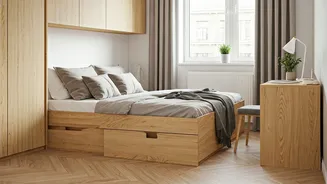
Every home has them: the awkward, underutilized corners and voids we tend to ignore. It’s time to see them as opportunities. The space under your bed, for example, is prime real estate. Instead of letting dust bunnies colonize it, use rolling drawers or vacuum-sealed bags to store out-of-season clothing and extra linens. The gap between your refrigerator and the wall can house a slim, rolling pantry cart for spices and canned goods. The backs of doors are a goldmine; over-the-door organizers can hold everything from shoes and accessories in the bedroom to cleaning supplies in the utility closet. By identifying and activating these dead zones, you can unlock a surprising amount of storage.
Use Furniture and Light to Divide
In studio apartments or open-plan homes, creating distinct “rooms” without building walls is key to making a space feel larger and more organized. You don't need drywall to do it. An open-backed bookshelf, like the iconic IKEA Kallax, can create a visual separation between a living and sleeping area while still allowing light to pass through and providing valuable storage. A strategically placed area rug can define a seating area. Even a simple curtain hung from the ceiling can create a cozy, private bedroom nook on demand. This approach provides the psychological benefit of separate zones without the claustrophobia of solid walls.
Declutter with a Digital Mindset
Physical clutter is the most obvious space-eater. The rise of digital media offers one of the most powerful space-saving tools available. That towering collection of DVDs, CDs, and books that once signaled a well-rounded personality can now be stored on a hard drive or in the cloud. Transitioning to e-books, streaming services for music and movies, and online bill-paying can eliminate shelves' worth of physical items. For important papers, get a small desktop scanner and digitize your files. This isn't just about saving space; it's about reducing the mental load that comes with managing and cleaning around piles of physical media.