







The ‘Oil’ That Isn't an Oil
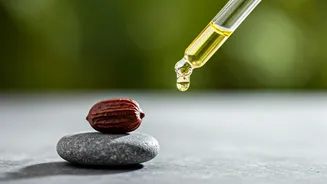
Here’s the first thing to understand: jojoba oil isn’t technically an oil at all. It’s a liquid wax ester. This might sound like a minor scientific distinction, but it’s the key to everything. Most plant oils, like coconut or olive oil, are made of triglycerides.
Jojoba, extracted from the seeds of the Simmondsia chinensis shrub native to the American Southwest, is chemically much closer to the waxes found in our own skin. This structural difference is what separates it from the dozens of other botanical oils that cycle in and out of fashion. While other oils can feel greasy or sit on top of the skin, jojoba’s waxy nature allows it to behave in a completely different, and far more beneficial, way. It’s not just another moisturizing ingredient; it’s a fundamentally different class of substance that our skin instinctively recognizes.
A Mirror for Your Own Skin
The true magic of jojoba lies in its remarkable similarity to sebum, the natural oil produced by our sebaceous glands to hydrate and protect our skin. Sebum is a complex mixture of lipids, and jojoba’s wax ester structure mimics it almost perfectly. Your skin essentially sees jojoba and thinks, “Hey, I know you.” This unique compatibility has two major benefits. First, it means jojoba is exceptionally good at moisturizing without clogging pores. For those with oily or acne-prone skin, applying an oil can feel counterintuitive. But because jojoba is so similar to sebum, it can help balance your skin’s own oil production. When it senses enough of this sebum-like substance, your skin may slow down its own overproduction of oil, leading to a more balanced, less greasy complexion. It’s non-comedogenic, making it a safe bet for nearly all skin types.
From Desert Shrub to Skincare Staple
Long before it filled shelves at Sephora, jojoba was a staple for Native American tribes in the Sonoran Desert region. They used the wax from the seeds as a remedy for skin sores, wounds, and sunburns, recognizing its potent healing and protective qualities. This history isn't just a quaint backstory; it’s a testament to the ingredient’s enduring efficacy. Its modern-day “discovery” came in the 1970s when the ban on whaling eliminated sperm whale oil—a popular ingredient in cosmetics at the time—from the market. Scientists found that jojoba was a nearly perfect, and much more ethical, plant-based substitute. Its stability is another factor that sets it apart. Unlike many plant oils that can quickly go rancid, jojoba is extremely shelf-stable, making it a reliable and long-lasting addition to any skincare routine without needing a ton of preservatives.
Benefits Beyond Basic Hydration
While its moisturizing prowess is what it’s most famous for, jojoba’s benefits run much deeper. It’s packed with antioxidants like Vitamin E, which help fight oxidative stress caused by everyday exposure to pollutants and environmental toxins. This helps protect the skin from the free radical damage that leads to signs of aging. Furthermore, studies suggest jojoba has anti-inflammatory properties, making it excellent for soothing dry, chapped skin or calming conditions like eczema and rosacea. It forms a gentle, protective seal over the skin, locking in moisture and defending against external irritants without being occlusive. It’s not just a moisturizer; it's a skin barrier supporter, a soother, and a protector all in one.
How to Make It Work for You
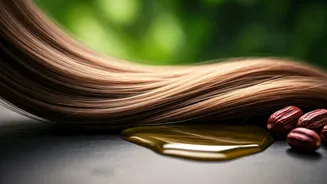
The versatility of jojoba is another reason it’s earned a permanent spot in so many cabinets. For the face, a few drops can be pressed into the skin as a final moisturizing step or mixed into your existing cream for an extra boost. It’s also an incredible makeup remover, easily dissolving stubborn mascara and foundation without stripping the skin. For hair, it can be used as a pre-shampoo treatment to soothe a dry scalp or applied sparingly to dry ends to tame frizz and add shine. Because of its gentle nature, it also makes an excellent carrier oil for essential oils, a soothing cuticle oil, or a simple, one-ingredient body moisturizer after a shower. It’s the ultimate utility player in a well-rounded personal care routine.