


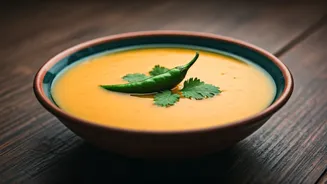
Beyond the Fruit Bowl
For most Americans, the mango exists in a very specific culinary lane. It’s the star of a tiki-bar cocktail, the sweet counterpoint in a summery salad, or the base of a decadent sorbet. While there’s nothing wrong with these classics, confining the mango to
sweet applications is like only listening to a band’s greatest hits—you’re missing the deep cuts. In many parts of the world, particularly South India, ripe mangoes are celebrated in savory dishes that balance their natural sugars with spice, salt, and sourness. This approach unlocks a completely new dimension of flavor, transforming the fruit from a simple dessert into a complex culinary ingredient. It’s time to break free from the smoothie cycle and let your favorite fruit shine in a starring role at the dinner table.
Meet Mango Rasam: A Symphony in a Bowl
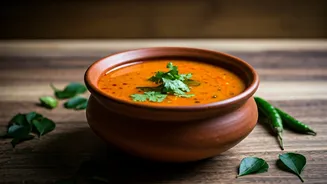
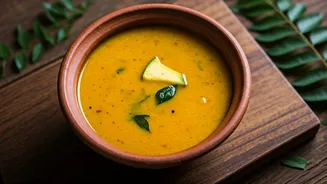
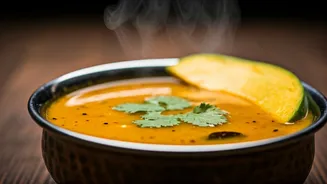
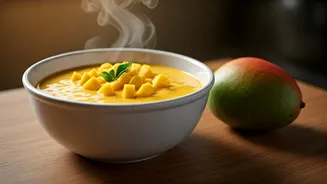
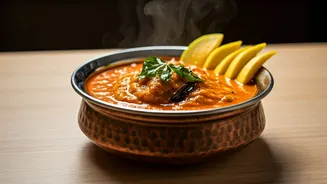
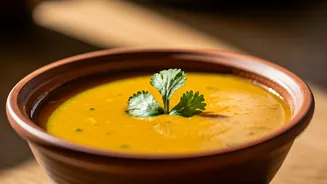
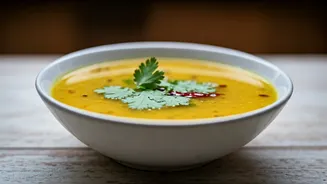
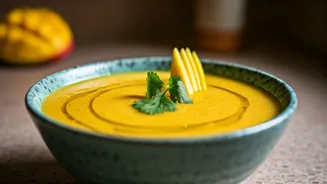
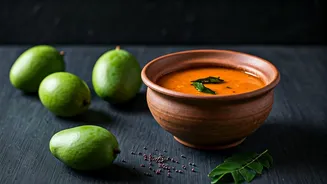
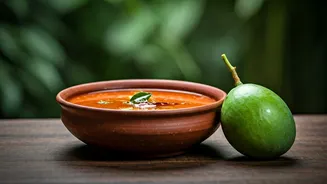
Enter Mambazha Rasam, or Mango Rasam. Rasam is a staple South Indian soup known for its thin, soupy consistency and a signature flavor profile built on tamarind, tomatoes, and a specific blend of spices called rasam powder. It’s traditionally served with steamed rice or sipped on its own as a comforting appetizer or digestive. The genius of the mango twist is adding ripe, sweet mango pulp to this tangy, spicy base. The result is a dish that hits every single note on your palate. It’s sweet from the mango and a touch of jaggery (or brown sugar), sour from the tamarind, spicy from black pepper and chiles, and deeply savory from cooked lentils and a final tempering of spices. It’s a flavor experience that’s both comforting and thrillingly new—the perfect antidote to mango boredom.
The Key Players for Your Pantry
While this might sound exotic, the ingredients are mostly accessible. You’ll need very ripe, sweet mangoes—the softer and more fragrant, the better. Toor dal (split yellow pigeon peas) forms the protein base, but red lentils work in a pinch. The essential sour note comes from tamarind paste, a staple in many Asian and Latin markets, though a squeeze of lime juice can substitute if needed. For spice, you'll want rasam powder, a pre-made blend you can find at Indian grocers or online. Don't skip it; it's the heart of the flavor. Finally, for the tempering—a technique called *tadka* or *chaunk* where spices are bloomed in hot oil—you’ll need mustard seeds, dried red chiles, and curry leaves. The curry leaves provide an inimitable aroma that is well worth seeking out.
The Method: Building the Flavor
Making mango rasam is a three-part process. First, cook a small amount of toor dal until it’s completely soft and mashable. While that’s cooking, gently simmer chunks of ripe mango with water, turmeric, and a bit of jaggery or brown sugar until the fruit is tender. Combine the mashed dal with the mango mixture. Next, create the rasam base. In the same pot, add water, tamarind paste, and a couple of teaspoons of rasam powder. Season with salt and let it simmer for about 5-7 minutes. You want the raw taste of the tamarind and spices to cook off. This is where the magic happens, as the sweet mango, earthy dal, tangy tamarind, and fragrant spices meld into a cohesive, delicious broth. Finally, the grand finale: the tempering. In a small pan, heat a spoonful of ghee or neutral oil. Once it's hot, add mustard seeds. When they start to pop and sputter, add a dried red chile and a sprig of fresh curry leaves. Be careful, as they will crackle loudly. Immediately pour this sizzling, aromatic oil into your pot of rasam. The sound and smell are incredible. Give it one last stir, and it's ready.
How to Serve and Savor
Mango rasam is traditionally served hot, poured over a bowl of simple steamed basmati or sona masuri rice. The rice soaks up the soupy broth, and you can eat it with your hands or a spoon, making sure to get a bit of mango, dal, and rice in every bite. It’s an ideal light meal for a warm summer evening when you’re craving something satisfying but not heavy. Alternatively, you can serve smaller portions in mugs or small bowls as a starter soup to a larger meal. It’s a fantastic conversation starter and a gentle, delicious introduction to the world of savory Indian fruit dishes.