








The Hidden Problem in Every Pot
To understand why so many balcony gardens struggle, you have to look below the surface. Every container, from a small terracotta pot to a large planter, creates an artificial water environment. When you water a plant, gravity pulls the moisture downward.
However, at the bottom of the pot, the soil becomes completely saturated before any excess water begins to exit the drainage holes. This zone of stagnant, airless water is called a “perched water table.” In this soggy bottom layer, plant roots can't access oxygen, leading them to suffocate and rot. Root rot is one of the most common and silent killers of container plants. The symptoms often mimic underwatering—wilting, yellowing leaves—prompting well-intentioned gardeners to add even more water, which only accelerates the plant’s demise. The limited soil volume in typical pots means this perched water table takes up a significant percentage of the root zone, creating a constant threat to your plants' health.
Why 'Better Drainage' Myths Fail
For decades, the conventional wisdom for improving pot drainage was to add a layer of gravel, broken pottery, or pebbles to the bottom of the container. The thinking was that this would create space for water to collect away from the soil. Unfortunately, horticultural science has proven this to be a myth that actually makes the problem worse.
Adding a layer of coarse material doesn't eliminate the perched water table; it simply raises it. Water does not easily move from a fine-textured material (soil) to a coarse-textured one (gravel). So, the soil just above the gravel still becomes fully saturated before a single drop moves into the layer below. By adding gravel, you've reduced the total volume of soil available to the plant's roots and pushed the stagnant, root-rotting water zone higher up into the pot, closer to the plant’s main root ball.
How Raised Beds Change the Game
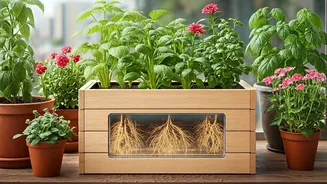
This is where a raised garden bed, specifically one designed for a patio or balcony, becomes a superior solution. Unlike a simple pot, a raised bed is essentially a large, deep, freestanding container, often elevated on legs. This design tackles drainage failures in several key ways.
First, volume is your friend. A raised bed holds a much larger quantity of soil than a typical pot. This depth means the perched water table at the very bottom occupies a much smaller fraction of the overall root environment. The majority of the roots can live happily in the well-drained, properly aerated soil above it. Second, elevation provides superior aeration. With the entire structure lifted off the ground, air can circulate underneath, helping the soil dry more evenly and ensuring drainage holes remain completely unobstructed. Finally, the sheer mass of soil acts as a better buffer against temperature swings and moisture fluctuations, creating a more stable and forgiving environment for your plants.
Choosing the Right Balcony Bed
When selecting a raised bed for your balcony, consider a few factors. First and foremost is weight. Balconies have structural weight limits, so opt for beds made from lighter materials like treated cedar, galvanized metal, or high-quality, UV-resistant resin. Avoid filling them with heavy garden soil or sand.
Instead, use a lightweight potting mix, which is specifically formulated for containers to promote drainage and aeration. Many modern raised beds also come with clever features like built-in water reservoirs (known as sub-irrigated planters) that allow plants to draw water from the bottom up, virtually eliminating the risk of overwatering. Also, ensure the bed has ample, large drainage holes. If it doesn't, you can and should drill more yourself before filling it with soil.