



A Superfood with Ancient Roots
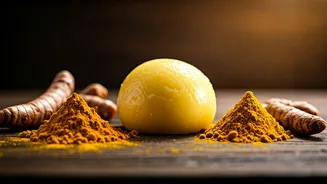
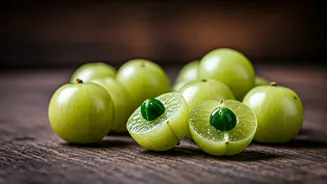
First things first: what exactly is an Indian gooseberry? Known as amla in its native India, this small, greenish-yellow fruit is no fleeting wellness fad. It’s a cornerstone of Ayurvedic medicine, the ancient Indian system of health, where it has been
revered for thousands of years as a powerful rejuvenator. While it might be trending on social media feeds in the U.S. today, its use as a pillar of health is deeply embedded in South Asian culture. Amla trees are common throughout the subcontinent, and the fruit is a staple in everything from culinary dishes to hair oils and herbal remedies. Its recent rise in the West isn't a discovery, but a rediscovery of centuries-old wisdom.
The Vitamin C Powerhouse
The headline claim to fame for amla is its astronomical vitamin C content. While you might reach for an orange to fend off a cold, amla operates on another level entirely. Gram for gram, fresh amla is estimated to contain up to 20 times the vitamin C of an orange. This isn't just a number; it's a potent dose of one of nature's most important antioxidants. Vitamin C is crucial for immune function, skin health (it aids collagen production), and protecting your cells from damage caused by free radicals. This single, powerful benefit is what often draws people to amla in the first place, offering a natural, whole-food alternative to synthetic vitamin supplements.
More Than Just a Vitamin
While the vitamin C gets all the press, amla is a complex fruit packed with a wide spectrum of beneficial compounds. It’s rich in polyphenols and flavonoids, antioxidants that contribute to its potential anti-inflammatory properties. In traditional medicine, it's used to support everything from digestion and liver function to hair growth and skin clarity. Modern science is beginning to explore these claims, with studies investigating its effects on blood sugar, cholesterol, and overall metabolic health. While more research is needed to make definitive health claims, the combination of traditional use and emerging science suggests amla’s benefits are holistic and wide-ranging. It's traditionally thought to support vitality from the inside out.
How to Get Your Amla Fix
So, you're convinced. How do you actually consume this wonder-berry? Finding fresh amla in the U.S. can be a challenge, though they sometimes appear in Indian grocery stores. But don't worry, its most popular forms are shelf-stable and easy to find online or in health food stores. The most common options include: - **Amla Powder:** A versatile, concentrated form. The fine, greenish powder is perfect for adding a teaspoon to your morning smoothie, yogurt, or even a glass of water. It blends easily and delivers a potent nutritional punch. - **Amla Juice:** A quick and easy way to get your daily dose. Look for pure, unsweetened amla juice. Be warned: it's intensely sour! Many people mix a small shot with water or blend it into other juices to make it more palatable. - **Dried Amla:** You can find whole dried amla or candied versions (known as amla murabba), which are sweet and tangy. The candied versions are more of a treat, but still retain some of the fruit's goodness. - **Supplements:** For those who prefer a no-fuss approach, amla is widely available in capsule or tablet form.
A Note on the Taste
Let’s be honest: your first encounter with amla’s flavor will be memorable. It is intensely sour and astringent, with a sharp, puckering quality that’s unlike any Western berry. This isn't a fruit you'd snack on by the handful like a blueberry. The taste is a big reason why it’s so often consumed in mixed juices, powders, or as a supplement. But don't let that deter you. Embracing its unique flavor profile is part of the experience, and once blended into a smoothie with sweeter fruits like banana or mango, its tartness provides a pleasant, balancing kick.