
The Queen of Hills Sets the Scene
Before you even get to the festival, Shimla itself works its magic. Known as the 'Queen of Hills,' this city was the summer capital of British India, a high-altitude escape from the sweltering plains. That legacy isn't just in history books; it’s written
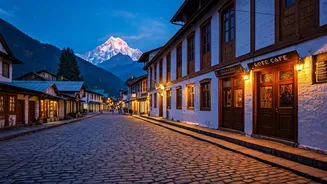
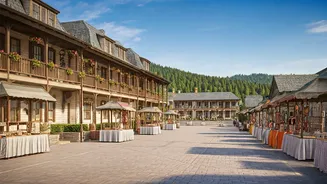
into the very architecture. Strolling down The Mall, a sprawling pedestrian-only promenade, feels like stepping onto a film set. Grand Victorian and mock-Tudor buildings with names like 'Gorton Castle' and 'The Cecil' line the street, their gabled roofs and stone facades a stark contrast to the surrounding deodar cedar forests. The air is thinner, cooler, and carries the faint scent of pine and woodsmoke. There’s a distinct absence of blaring horns, replaced by the murmur of conversation and the distant echo of a church bell from the iconic Christ Church, a neo-Gothic landmark that has anchored the town square since the 1850s. This isn't a theme park recreation of the past; it’s a living, breathing city where history is simply part of the daily scenery.
A Festival of Timeless Pleasures
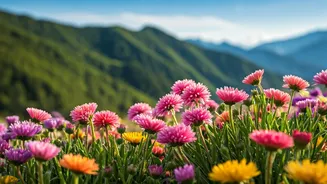
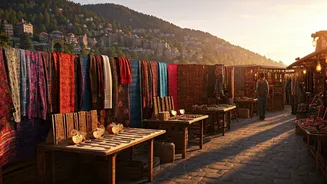
Every June, this historical backdrop comes alive with the Shimla Summer Festival, an event that feels refreshingly low-fi and community-driven. It’s less about flashy headliners and more about celebrating local culture and simple seasonal joys. The heart of the festival often unfolds on The Ridge, an open space offering panoramic views of the snow-capped Himalayas. Here, you'll find vibrant flower shows where local gardeners compete with dazzling displays of rhododendrons and roses. Stalls pop up selling regional handicrafts and street food—think hot, steaming momos and sweet, syrupy jalebis. The main draw, however, is the cultural programming. Evenings are filled with folk music and dance performances from across the Himachal Pradesh region. Dancers in brightly colored, intricately embroidered traditional attire perform against the backdrop of the mountains as the sun sets. It’s authentic, unpretentious, and a world away from the slickly produced festivals many of us are used to.
An Evening at the Gaiety
For the ultimate dose of vintage energy, no visit during the festival is complete without experiencing the Gaiety Theatre. Tucked away on The Mall, this stunning Victorian theater is a perfectly preserved slice of the past. Opened in 1887, its Gothic-style design and intimate auditorium have hosted everyone from British viceroys to literary figures like Rudyard Kipling. The acoustics are said to be so perfect that performers don’t need microphones. During the Summer Festival, the Gaiety buzzes with activity, hosting plays, classical music recitals, and film screenings. Sitting in one of the plush velvet chairs, surrounded by gilded balconies and ornate woodwork, you can almost feel the ghosts of audiences past. It’s a tangible connection to a time when live performance was the pinnacle of entertainment, offering a profound sense of shared experience that feels more valuable than ever.
The Journey Is Part of the Charm
The vintage experience of Shimla begins long before you arrive. The most romantic way to reach the hill station is via the Kalka-Shimla Railway, a UNESCO World Heritage Site. Known affectionately as the “toy train,” this narrow-gauge railway chugs its way up the mountainside, navigating over 100 tunnels and 800 bridges on its leisurely six-hour journey. Squeezing through emerald forests and past cascading waterfalls, the train offers breathtaking views at every turn. It’s the antithesis of modern, high-speed travel. There’s no Wi-Fi, no rush. Instead, passengers are invited to simply sit back, open a window to the cool mountain air, and watch the world go by at a pace that allows for appreciation. This slow, deliberate approach perfectly primes you for the unhurried atmosphere that defines a Shimla vacation.