
A World Reborn in Green
For much of the year, many tropical and subtropical forests lie in wait. The ground is parched, the leaves are dusty, and the landscape is muted in shades of brown and pale olive. It’s the ‘sensible’ time to visit, when the sun is guaranteed and the trails
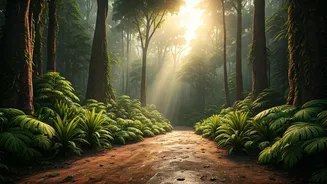
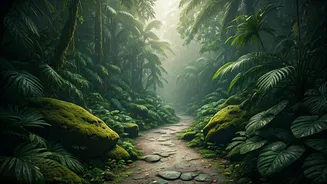
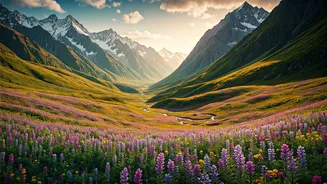
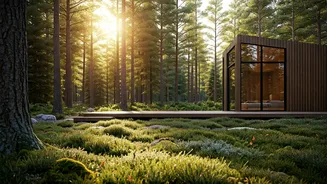
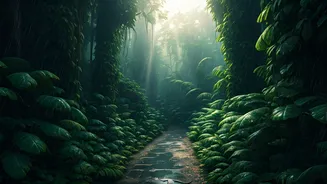
are dry. But then the monsoon arrives, and with it comes a profound and startling transformation. This isn’t just a little rain; it’s a life-giving deluge that acts as a factory reset for the entire ecosystem. Within days, the forest floor erupts with impossible shades of green. Dormant seeds sprout, ferns unfurl their fiddleheads with cinematic grace, and every leaf is washed clean, glistening with a vibrant, almost electric, luminescence. This isn’t just a prettier version of the dry season forest; it’s an entirely different world, bursting with an energy that feels both ancient and brand new.
A Symphony for the Senses
A monsoon forest experience is a full-body immersion. The first thing you’ll notice is the sound. It’s a complete orchestral arrangement, from the soft, percussive drumming of rain on broad leaves to the steady roar of a distant, newly formed waterfall. The silence of the dry season is replaced by a chorus of croaking frogs and the chirps of insects celebrating the abundance of water. Then there’s the smell—that intoxicatingly earthy aroma known as petrichor, the scent of rain hitting dry soil. It mingles with the sweet fragrance of blooming wildflowers that only appear during this season, creating a natural perfume that’s both grounding and deeply refreshing. You don’t just see the monsoon; you hear it, smell it, and feel the cool, misty air on your skin. It’s a sensory feast that connects you to the environment in a way a simple hike on a sunny day never could.
The Allure of Intimate Solitude
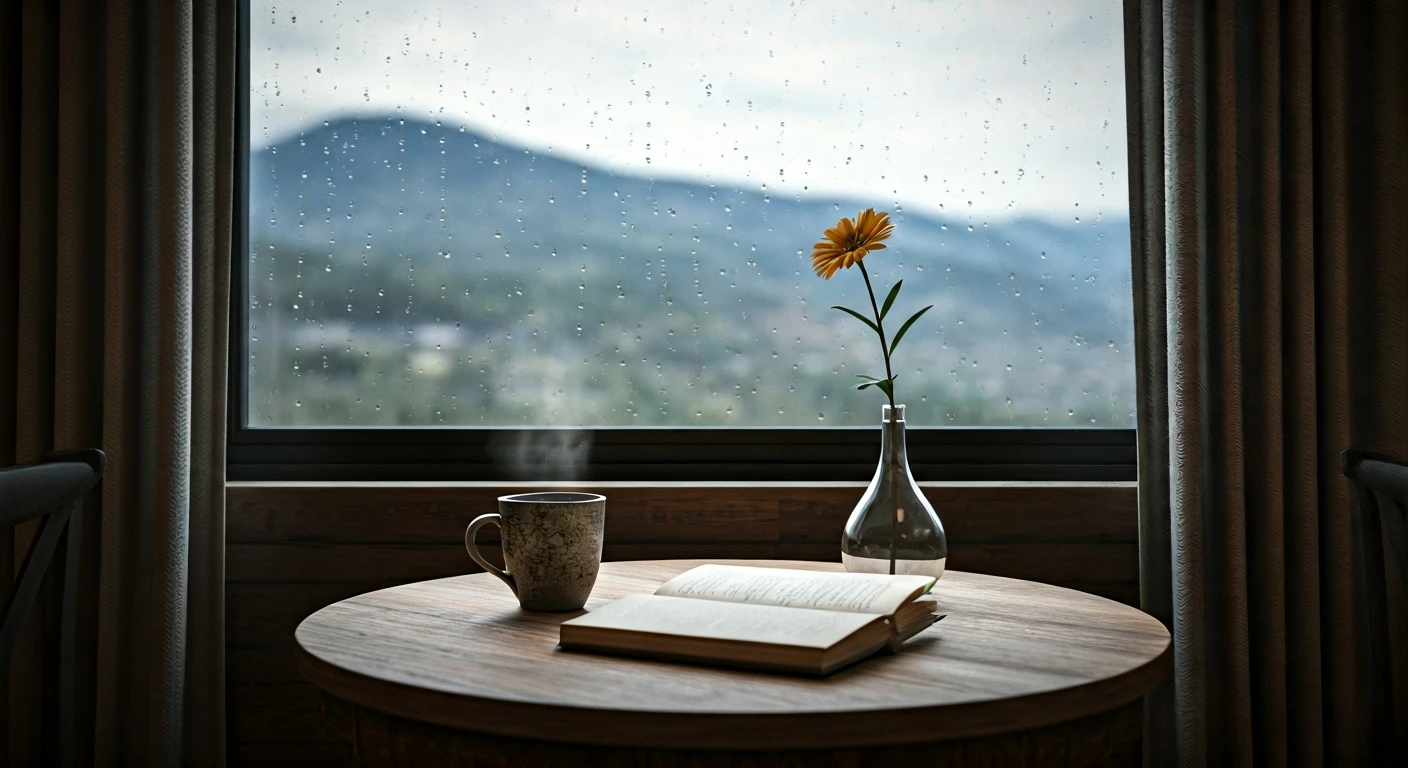
Peak-season travel often comes with a hidden cost: crowds. Fighting for a clear photo, waiting in line for a viewpoint, and sharing a supposedly tranquil trail with dozens of other people can dilute the very experience you came for. Monsoon travel is the antidote. Because it’s considered the ‘off-season,’ you’ll often find that you have vast stretches of breathtaking scenery almost entirely to yourself. The usual tourist hubs are quieter, allowing for more meaningful interactions and a slower, more contemplative pace. This isn’t the kind of holiday for rushing through a checklist of sights. It’s an invitation to sit on a covered veranda with a warm drink, watch the clouds roll over the mountains, and simply be present. The rain encourages a kind of forced mindfulness, stripping away the pressure to ‘do’ and instead allowing you to simply ‘be’.
Water in Dramatic Motion
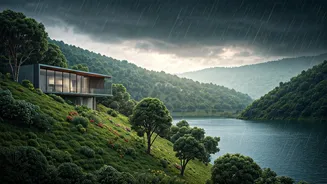
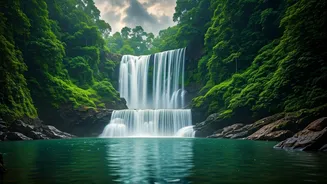
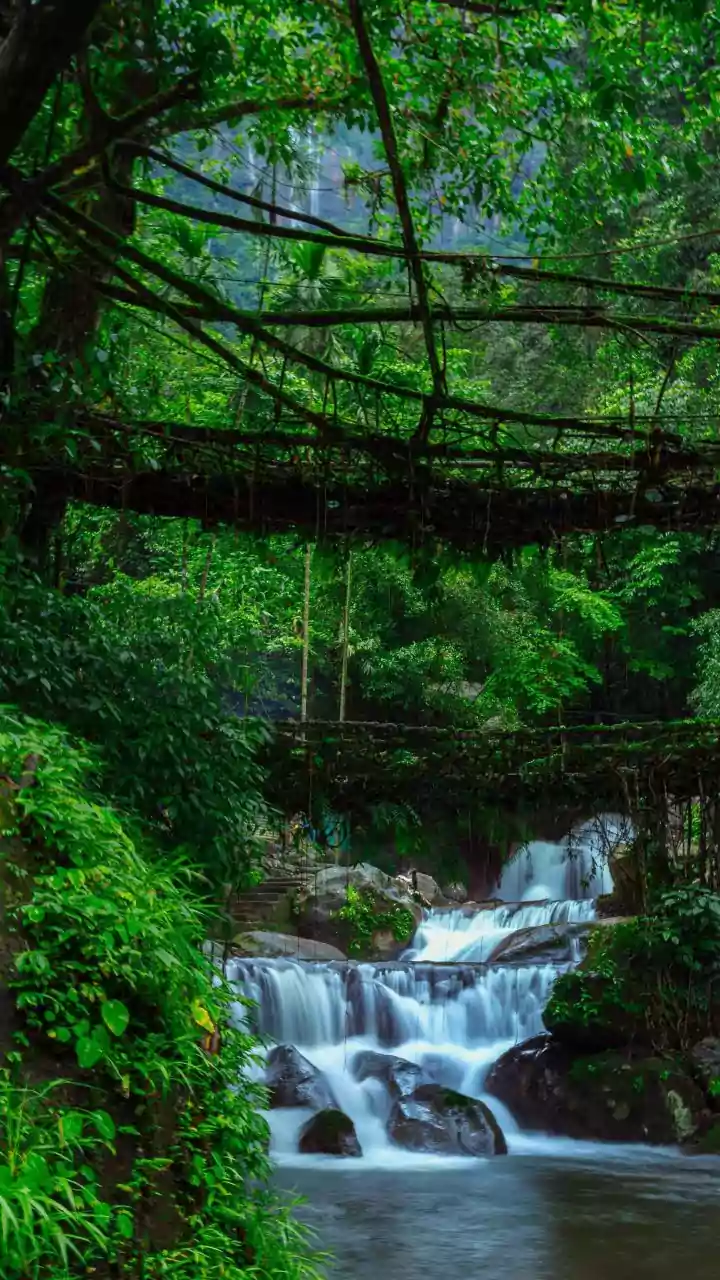
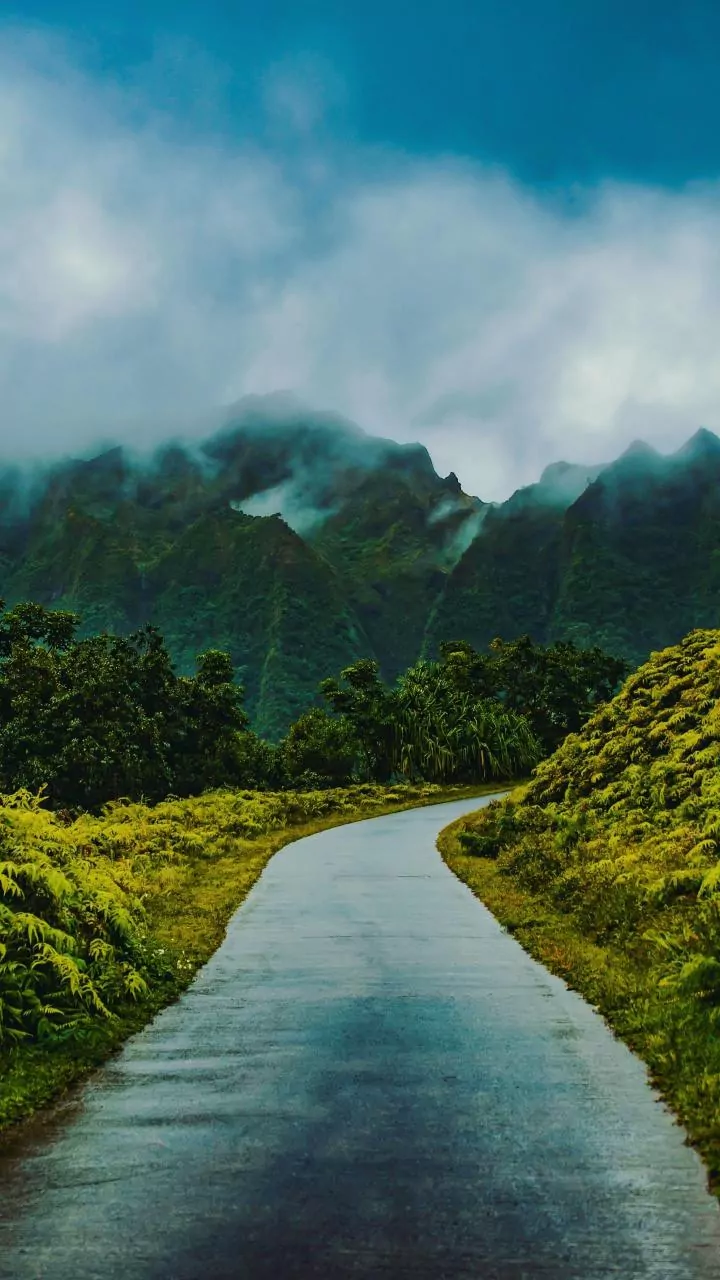
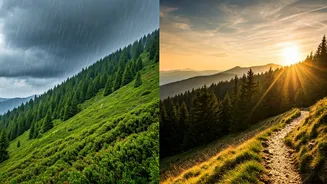
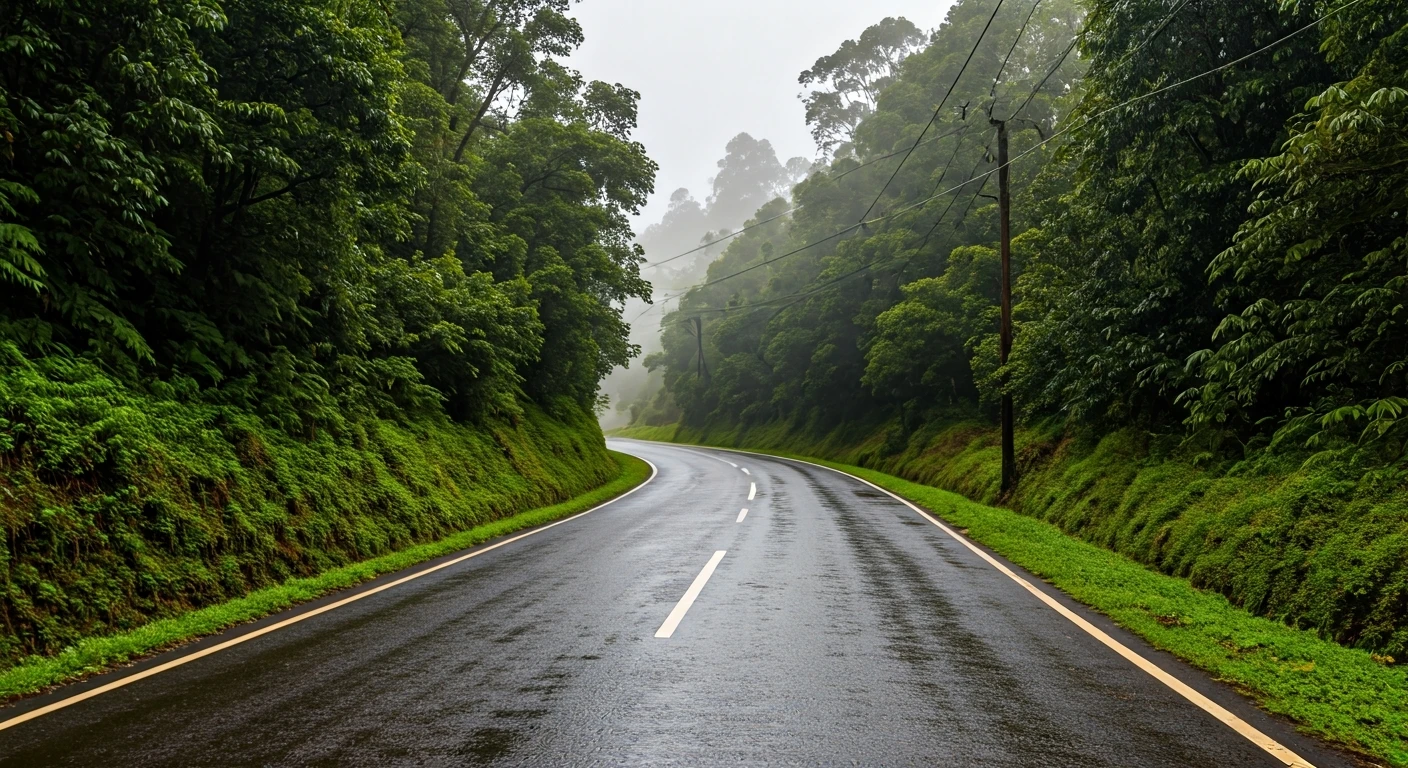
The defining feature of the monsoon is, of course, the water, and it puts on a spectacular show. Rivers that were mere trickles just weeks before transform into powerful, rushing torrents. Ephemeral waterfalls, which don’t exist for most of the year, suddenly cascade down cliffs and rock faces, carving new paths through the landscape. The entire geography feels more dynamic and alive. The sky, too, becomes a canvas for dramatic art. Heavy, dark clouds create a moody, atmospheric light that makes the greens of the forest appear even more saturated. Mist hangs low in the valleys, shrouding the trees in an ethereal haze and making the landscape look like a scene from a fantasy epic. These are the moments that feel truly ‘unreal’—when the world outside your window is more dramatic, more beautiful, and more alive than you thought possible.