





The New Weather Veto
For generations, planning a trip within the U.S. followed a familiar script. You’d check your budget, request time off, and book your tickets. Weather was a secondary concern—something you’d pack for, not cancel for. But that paradigm is rapidly dissolving.
Increasingly, the go/no-go decision for a family vacation, a cross-country drive, or even a weekend getaway is being dictated not by desire, but by atmospheric conditions that feel more like sci-fi than seasonal patterns. The question is no longer just, “Where do we want to go?” but “Where can we safely go?” We have entered an era where extreme weather holds a powerful and often final veto over our plans, forcing a fundamental rewiring of how Americans approach their freedom to move.
When the Rain Comes
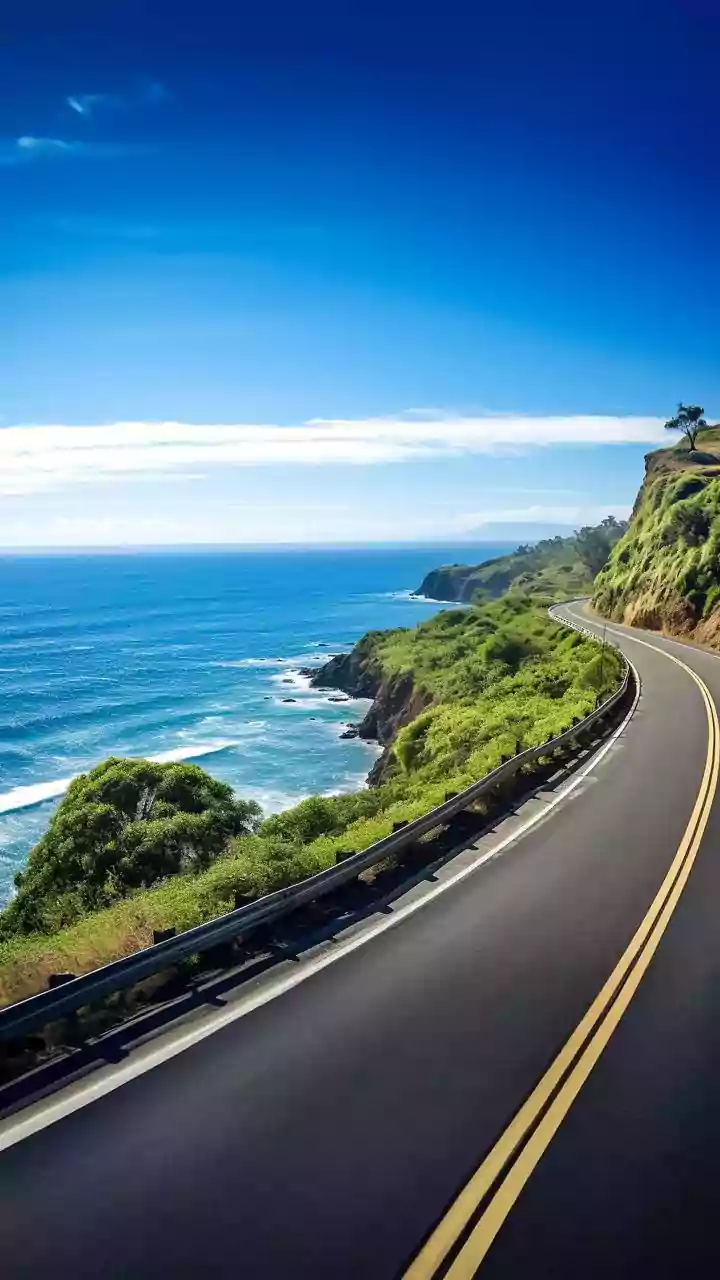
We’re not talking about a drizzly afternoon that cancels a picnic. The new variable is precipitation on an entirely different scale. Atmospheric rivers on the West Coast can dump a month’s worth of rain in a day, washing out iconic highways like California's Highway 1 and isolating communities for weeks. In the East and Midwest, “rain bombs” associated with slow-moving summer storms overwhelm aging urban drainage systems, flash-flooding airports and turning interstates into impassable canals. Just a few inches of fast-moving water can sweep a car off the road. For travelers, this means a destination that was perfectly accessible when they left home can become an island by the time they arrive. Flight schedules, already brittle, are thrown into chaos not just by thunderstorms over the airport, but by flooding that prevents crews and passengers from even reaching the terminal.
The Heat Dome Effect
Heat is no longer just a matter of comfort; it's a logistical barrier. The rise of the “heat dome”—a persistent cap of high pressure that traps blistering temperatures over a region for days or weeks—is reshaping summer travel. In states like Arizona, Texas, and Florida, temperatures soaring past 110°F are not just dangerous for outdoor activity; they actively disrupt the physics of travel. Extreme heat can cause tarmacs to soften and, more critically, it makes the air less dense. Less dense air means planes need more speed and longer runways to generate lift, leading to weight restrictions (bumping passengers and bags) or outright cancellations. It warps railroad tracks, forcing freight and passenger trains to slow to a crawl to prevent derailment. For the road-tripper, it means a higher risk of tire blowouts and engine overheating, turning a scenic drive through the desert into a high-stakes gamble.
Our Crumbling Foundation
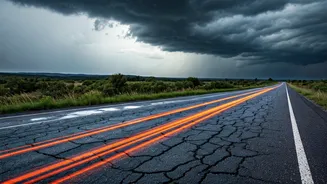
The final, crucial piece of this puzzle is the state of the infrastructure itself. American roads, bridges, and rail lines were largely designed for a 20th-century climate that no longer exists. They were not engineered to withstand the cyclical stresses of record-breaking heat followed by torrential, erosive floods. Pavement buckles under thermal expansion. Bridge footings are scoured away by floodwaters. Wildfires, supercharged by drought and heat, destroy guardrails and signage and destabilize hillsides, leading to landslides during the next rain. The result is a system that is increasingly fragile. A single extreme weather event doesn’t just cause a temporary closure; it can trigger a long-term failure that severs a critical transportation artery for months, forcing costly and time-consuming detours. The reliability we once took for granted is being eroded, one washed-out road and buckled track at a time.