



Embrace the 'Sniffari'
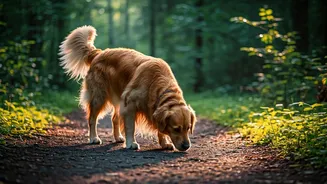
For a dog, the world is a novel written in scents. Rushing them along the sidewalk is like yanking a book out of your hands mid-chapter. Instead of focusing on distance or pace, reframe the walk as a 'sniffari'—a safari of smells. Allowing your dog ample
time to sniff is one of the most powerful forms of mental enrichment you can provide. Their nose is thousands of times more powerful than ours, and decoding the 'pee-mail' left by other dogs, tracking a squirrel's path, or investigating a new plant provides crucial cognitive stimulation. It can lower their stress levels and tire them out more effectively than a brisk, scentless jog. So, loosen the leash (safely, of course), slow down, and let their nose lead the way. You’re not being lazy; you’re giving them the mental workout they crave.
Vary Your Scenery
Imagine eating the same meal every day or walking the exact same path to work without deviation. You’d get bored, and so does your dog. While routines can be comforting, novelty is exciting. Simply changing your route can introduce a world of new sights, sounds, and, most importantly, smells. Try turning left instead of right out of your driveway. Once a week, drive to a new neighborhood, a quiet commercial park on a weekend, or a different trailhead. This doesn’t have to be a major expedition. Even a five-minute drive can transport you to an entirely new sensory landscape for your dog, preventing the 'backyard blindness' that can come from over-familiarity with the same old territory.
Let Them Lead (Safely)
So much of a dog's life is dictated by our schedule and our rules. A 'decompression walk' offers them a chance to have some agency. This type of walk, championed by animal behaviorists, is best done in a safe, open area like a field or a quiet trail, using a long line (20-30 feet) instead of a standard 6-foot leash. The long line gives your dog the freedom to wander, explore, and choose their own path without the tension of a short leash. It allows them to move at their own pace, following their nose wherever it takes them. This freedom from constant redirection can be incredibly calming for anxious or reactive dogs, allowing them to relax and simply be a dog. It’s a powerful trust-building exercise that reinforces your bond.
Incorporate Training and Play
A walk is a perfect opportunity to sprinkle in some fun and reinforce good behavior. Think of the environment as your training playground. Use a park bench for 'place' commands or practice 'wait' at a curb. Bring a handful of high-value treats and reward your dog for checking in with you. You can also turn the walk into a game. Play 'find it' by tossing a treat into a patch of grass. Hide behind a tree and call them to you for a fun game of hide-and-seek. These simple interactions break up the monotony of walking, keep your dog’s focus on you, and strengthen the communication between you.
Choose the Right Terrain and Time
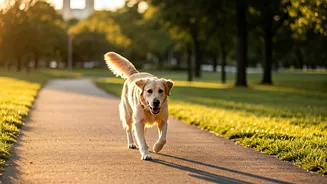
An enjoyable walk is a comfortable walk. Pavement can become dangerously hot in the summer, capable of burning your dog's paw pads in minutes. Before heading out, place the back of your hand on the asphalt for seven seconds; if it’s too hot for you, it’s too hot for them. In hot weather, opt for early morning or late evening walks, and seek out grassy or dirt paths. In winter, be mindful of salted sidewalks that can irritate paws and consider using protective booties or paw balm. Choosing the right route is also about choosing the right surface and time for the conditions, ensuring the adventure remains safe and pleasant from start to finish.