

The Beloved Carb-Comfort Tradition
To understand the shift, you first have to appreciate the baseline. For generations, the Indian plate has been built around a foundation of satisfying, comforting starches. In the south, fluffy white rice is the indispensable vehicle for sambar, rasam,
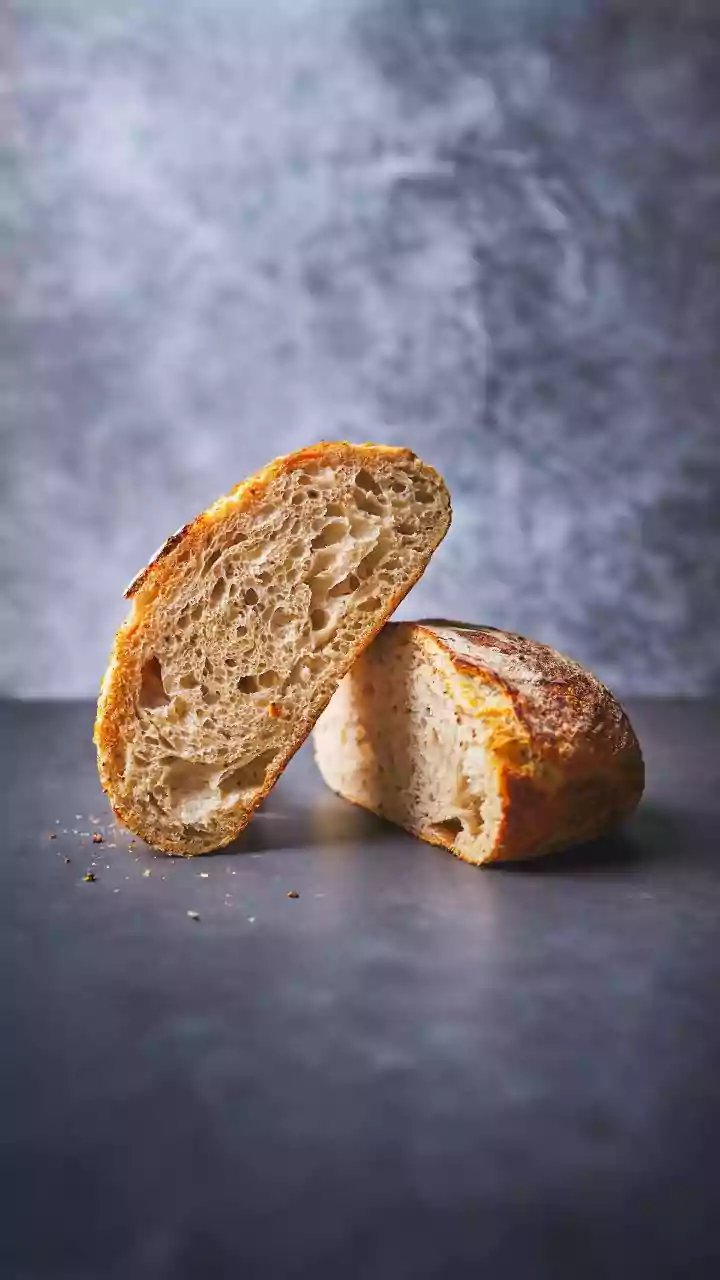
and curries. In the north, soft, pillowy naan, flaky parathas, and paper-thin rotis—all typically made from refined wheat flour (maida)—are used to scoop up rich dals and sabzis. This isn’t a flaw; it’s a cornerstone of culinary identity, a source of daily comfort and celebration. But this reliance on polished grains and refined flours, while delicious, often results in meals that are low in fiber, leading to quick energy spikes and subsequent crashes. It's a dietary pattern that, combined with modern sedentary lifestyles, has contributed to a growing public health challenge.
A Modern Health Awakening
The ground for a dietary change has been fertile for years. India faces a significant, well-documented rise in lifestyle diseases like type 2 diabetes and heart conditions, often referred to as the “diabetes capital of the world.” This stark reality has prompted a slow-burning conversation about diet among urban, middle-class Indians. The COVID-19 pandemic acted as a powerful accelerant, pushing vague wellness concerns into sharp focus. Suddenly, terms like “immunity,” “inflammation,” and “gut health” became part of the everyday lexicon. People weren't just looking to avoid getting sick; they were seeking proactive ways to build resilient health from the inside out. This created the perfect environment for a fiber-forward movement to not just sprout, but to flourish.
Enter the Ancestral Super Grains
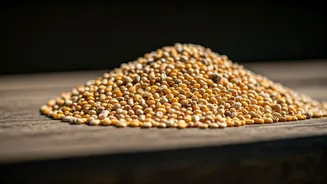
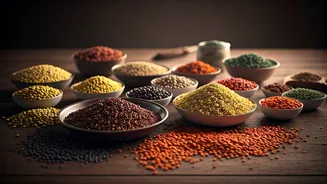
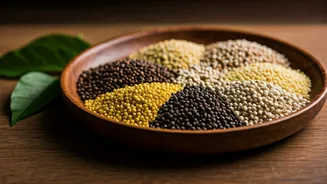
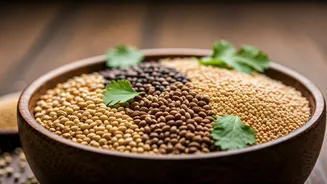
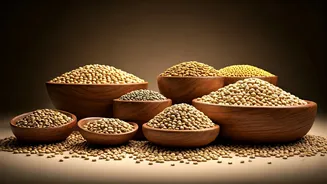
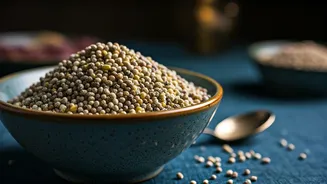
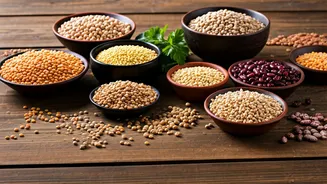
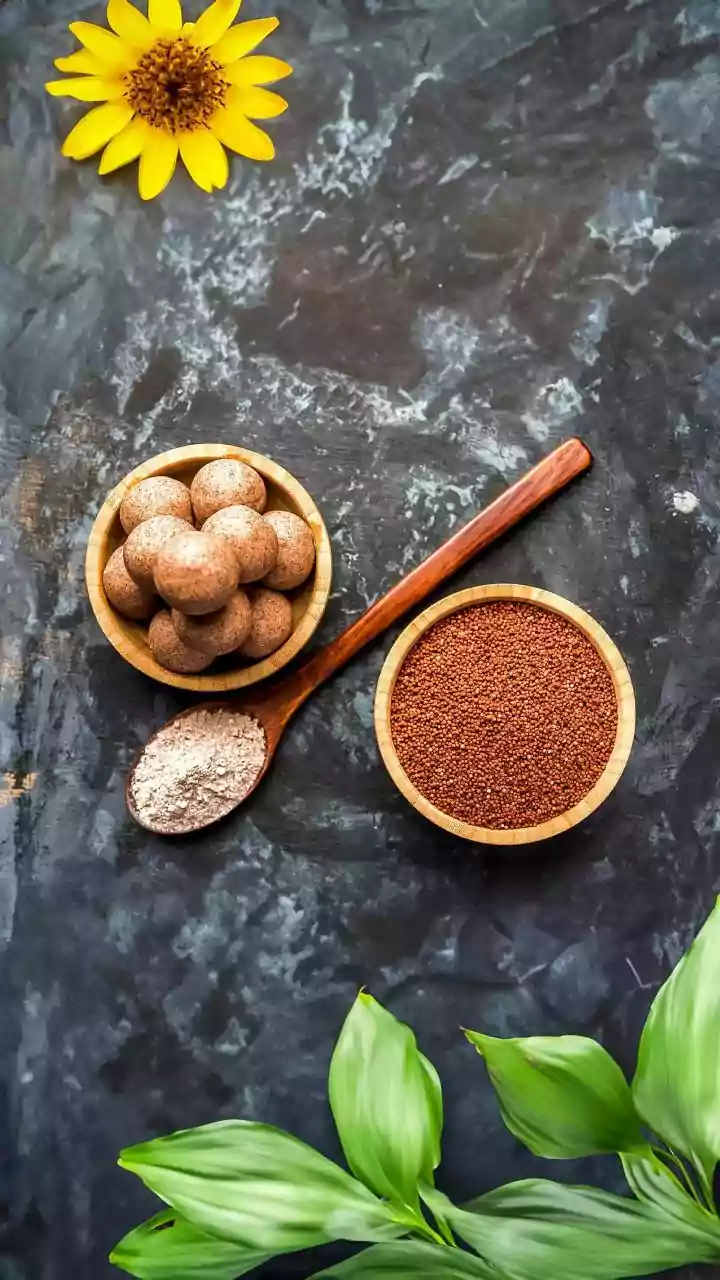
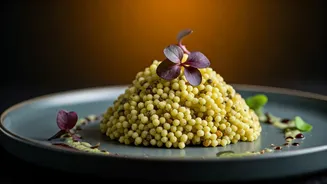
The “fibermaxxing” trend in India isn’t about importing foreign superfoods like quinoa and kale as much as it is about rediscovering native ones. The real heroes of this story are millets—a category of ancient, hardy grains like ragi (finger millet), jowar (sorghum), and bajra (pearl millet). Once dismissed as rural or “poor people’s food,” millets are now being celebrated for what they are: nutritional powerhouses packed with fiber, protein, and micronutrients. Championed by the Indian government and trendy chefs alike, millets are making a dramatic comeback. Rotis are now made with bajra flour, breakfast porridges with ragi, and the beloved dosa gets a healthy makeover with a fermented millet batter. It’s a nationwide revival, turning what was old into the new gold standard for a healthy carb.
Not Your Grandmother's Recipe (But Inspired By It)
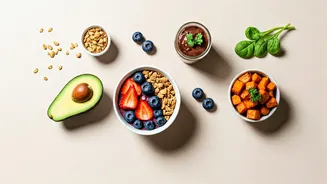
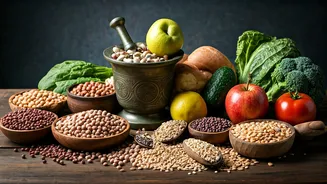
Crucially, this movement isn't about abandoning traditional cuisine; it's about upgrading it with thoughtful substitutions. It’s evolution, not replacement. Instead of plain white rice, families are opting for brown rice, red rice, or a mix that includes millets. Refined white sugar is being swapped for jaggery or dates. Snack time, once the domain of fried samosas, now includes baked millet crisps and roasted makhana (fox nuts). Social media is flooded with influencers and home cooks sharing tips on how to make a “healthy” pav bhaji with whole wheat buns and extra vegetables, or how to sneak grated zucchini and carrots into a paratha. The goal is to keep the soul of the dish intact while boosting its nutritional density, proving that beloved flavors and good health don't have to be mutually exclusive.