

From 'Curry in a Hurry' to Curated Stories
If you've dined at an Indian restaurant in the U.S. anytime in the last 30 years, you probably recognize the format: a sprawling, multi-page document featuring dozens of near-identical sounding dishes, often organized by protein. Chicken tikka masala,
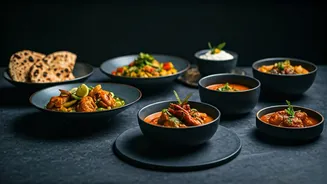
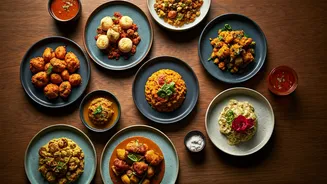
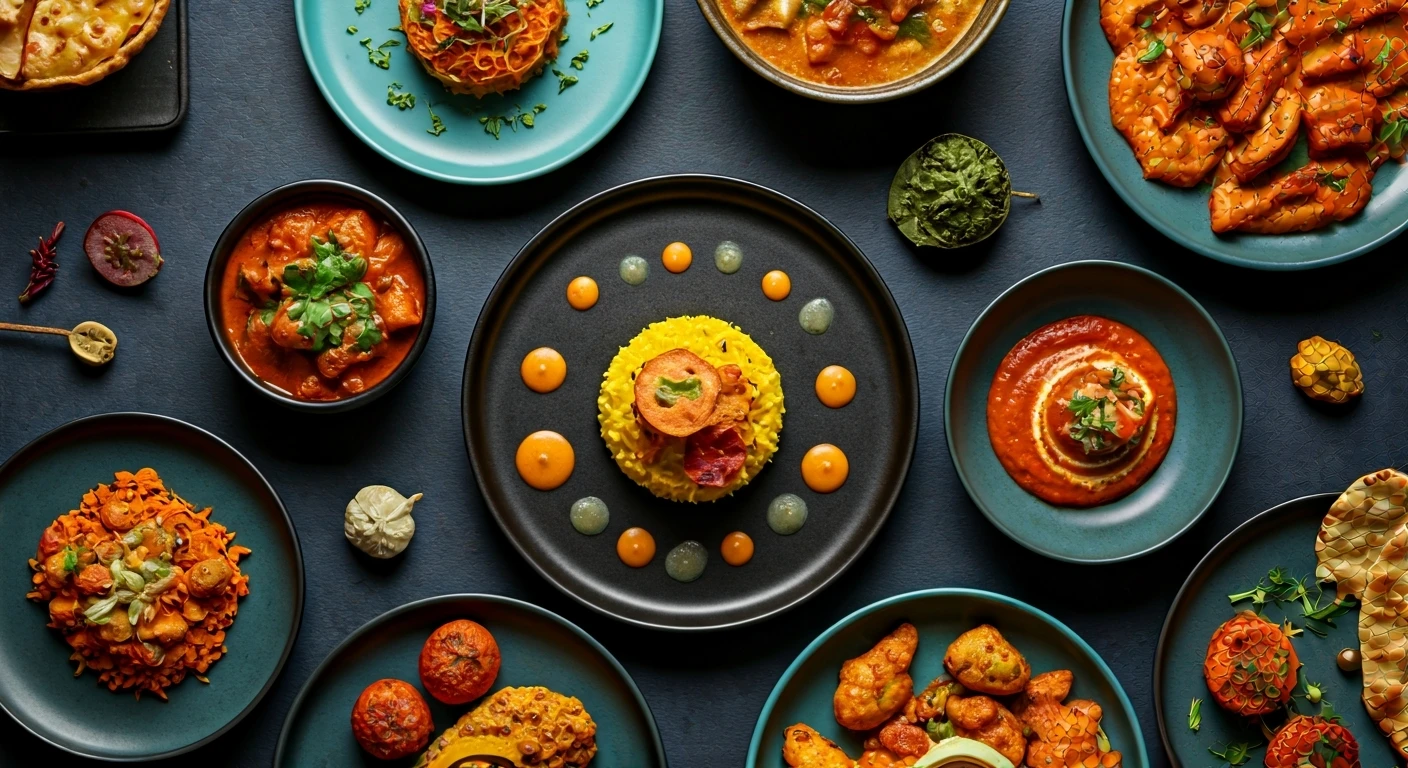
lamb vindaloo, saag paneer. It was a menu designed for reassurance and accessibility, created in an era when the cuisine was still foreign to many Americans. The goal was to offer something for everyone and, crucially, to avoid scaring anyone off with unfamiliar terms or aggressive spice. This approach, born of necessity, had an unintended consequence. It flattened a subcontinent's worth of culinary diversity into a handful of recognizable hits. It taught diners that Indian food was a cheap, homogenous, all-you-can-eat buffet proposition. But that era is ending. A new generation of chefs and restaurateurs is ditching the encyclopedic menu in favor of a shorter, sharper, and far more compelling document—one that acts less like a catalog and more like a travel guide.
The Power of Specificity
The most significant change is the pivot to regionality. Instead of a generic "lentil soup," a modern menu might offer *Kollu Rasam*, explaining it’s a horse gram-based broth from Tamil Nadu, known for its peppery, medicinal qualities. Instead of a vague "fish curry," you might find *Meen Pollichathu*, a Keralan specialty where pearl spot fish is marinated in spices, wrapped in a banana leaf, and pan-fried, with the menu telling you precisely that. This isn't just about using fancy words; it's a fundamental shift in marketing. By anchoring a dish to a specific place—Goa, Punjab, Bengal, Chettinad—the menu does three things. First, it educates the diner, offering a bite-sized lesson in geography and culture. Second, it justifies a higher price point by signaling craft and authenticity over mass production. And third, it builds trust. A menu that confidently tells you the story behind a dish feels more honest than one that just lists ingredients.
Ditching the Diplomatic Approach
Another key evolution is the death of the “spice level” negotiation. For years, the default was to tone everything down unless a customer specifically requested otherwise. This led to a kind of culinary diplomacy where authenticity was sacrificed for mass appeal. The new menus are bolder. You’re seeing more restaurants, like those from the celebrated Unapologetic Foods group in New York (Dhamaka, Semma), presenting dishes as they are meant to be eaten. The menu doesn't ask you how spicy you want your goat neck biryani; it tells you this is how it comes. This confidence—the belief that the dish is perfect as is—is a game-changer. It reframes the cuisine from something that needs to be adjusted for the American palate into something that Americans should be excited to experience on its own terms. It’s a move from asking for acceptance to commanding respect.
More Than a Menu, It's a Manifesto
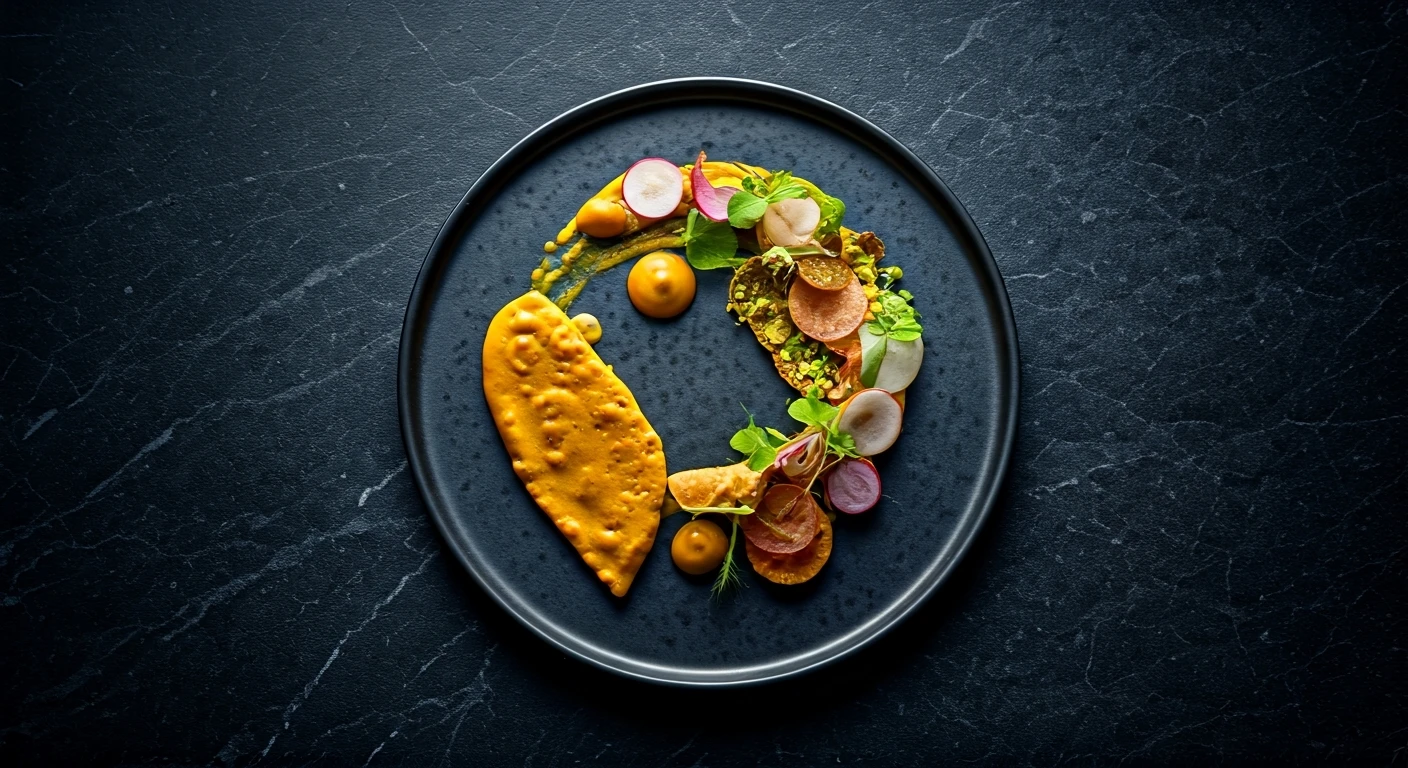
Ultimately, this evolution is about value. By writing better menus, Indian restaurants are fundamentally changing how they sell quality. They are making a case for why a particular bowl of dal is worth $18—perhaps it uses heirloom lentils, house-churned ghee, and a complex, 20-spice *tarka*. The menu is the vehicle for that argument. It’s a manifesto that declares the cuisine is as nuanced, worthy, and premium as any other. It signals better-sourced ingredients, more complex labor, and a deeper connection to culinary tradition. The laminated, 100-item menu communicated abundance and affordability. The tightly curated, story-driven menu communicates something far more powerful: worth.