



1. Escape to a High-Altitude Desert
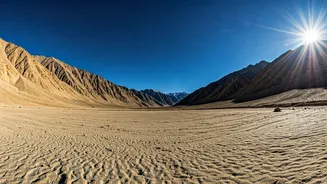
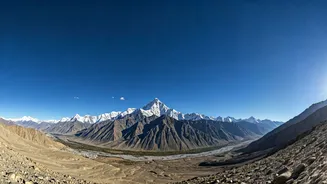
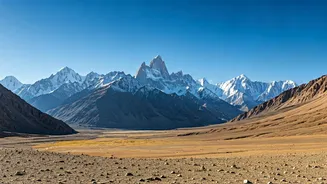
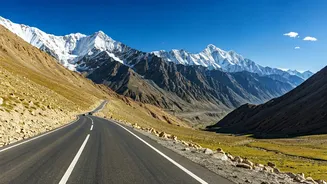
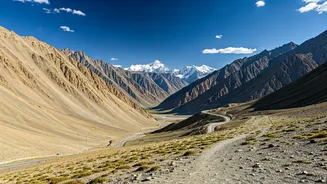
Leh is often called a “cold desert,” and the description is spot-on. Situated at an average elevation of 11,500 feet, its landscape is a breathtaking tableau of barren mountains, dramatic rock formations, and deep blue skies. Forget the lush, tropical
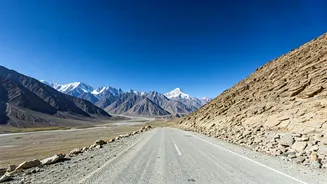
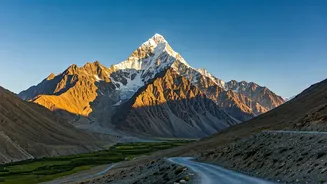
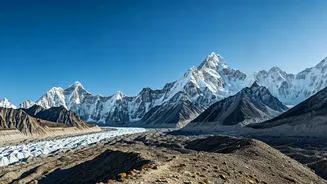
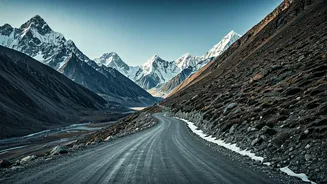
imagery of southern India; this is a world of stark, powerful beauty. The air is thin, crisp, and refreshingly dry, especially from May to September when much of the subcontinent is drenched by the summer monsoon. For travelers looking to explore India during these months without facing relentless heat and humidity, Leh is the ultimate climatic haven. The sun is intense, but the temperatures are pleasant, creating perfect conditions for exploration. The dramatic topography means you can be driving through a sandy valley one moment and gazing at snow-capped peaks the next.
2. Discover a Culture Above the Clouds
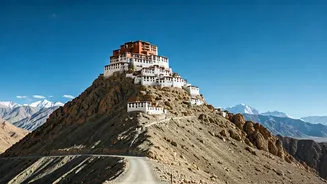
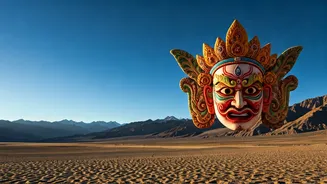
The region of Ladakh, with Leh as its heart, is one of the last bastions of traditional Tibetan Buddhist culture in the world. This heritage is visible everywhere, from the strings of colorful prayer flags fluttering on mountain passes to the magnificent monasteries (called *gompas*) clinging to hillsides. A visit to Leh is incomplete without exploring these spiritual centers. Thiksey Monastery, a sprawling complex resembling the Potala Palace in Lhasa, offers stunning views and a glimpse into monastic life. Hemis, the region’s wealthiest monastery, hosts a vibrant annual festival with masked dances. The pervasive sense of tranquility, the sound of chanting monks, and the intricate murals create a powerful spiritual atmosphere that feels worlds away from modern life. It’s an immersive cultural experience, not just a sightseeing tour.
3. Experience Otherworldly Landscapes
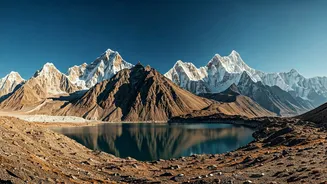
Leh is the gateway to some of the most surreal landscapes on the planet. A few hours’ drive will take you to Pangong Tso, a high-altitude saltwater lake that stretches for over 80 miles into Tibet. Its waters shift through mesmerizing shades of blue, from turquoise to deep indigo, set against a backdrop of barren, multi-hued mountains. Another essential journey is to the Nubra Valley, reached via the Khardung La pass—once proclaimed the world's highest motorable road. Here, you'll find sand dunes populated by double-humped Bactrian camels, a relic of the ancient Silk Road trade route. The juxtaposition of desert, river, and snow-dusted peaks is a photographer’s dream and a profound reminder of nature’s artistry.
4. Embrace the Spirit of Adventure
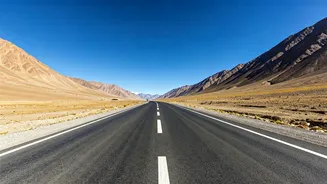
While Leh offers peace and spirituality, it’s also an adventure capital. For many, the journey itself is the main event. Road-tripping on the Manali-Leh or Srinagar-Leh highways is a legendary bucket-list item for motorcyclists and driving enthusiasts, offering unparalleled views and a serious sense of accomplishment. The region is also a trekker’s paradise, with routes ranging from moderate day hikes to challenging multi-week expeditions through remote valleys. Even if you're not an extreme adventurer, the simple act of being active at this altitude is a thrill. The clear, unpolluted night skies also make Leh one of the best places in the world for stargazing, where the Milky Way is often visible to the naked eye.
5. Acclimatize and Unwind
The key to a successful trip to Leh is acclimatization. Arriving at 11,500 feet requires you to take it easy for the first day or two to let your body adjust to the lower oxygen levels. This forced slowdown is a blessing in disguise. It encourages you to explore the town of Leh at a leisurely pace. Wander through its narrow lanes, browse shops selling Tibetan handicrafts and pashmina shawls, and relax in one of the many charming rooftop cafes. The town has a relaxed, cosmopolitan vibe, where you can sip mint tea while watching fellow travelers and locals go about their day, all under the watchful gaze of the 17th-century Leh Palace. It’s the perfect base camp for both inner and outer exploration.