
Think Beyond the Compost Bin
When people hear “low-waste,” their minds often jump to composting. While that’s a great final step, true low-waste cooking is a proactive philosophy that begins the moment you shop. It’s about seeing the full potential in every ingredient you bring into
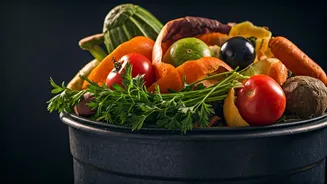
your home. It’s the art of transforming what might have been discarded—herb stems, vegetable peels, stale bread, and cheese rinds—into foundational elements of another delicious meal. This approach challenges you to become a more resourceful cook, one who values flavor and thriftiness in equal measure. Instead of seeing a pile of scraps, you start seeing a jar of future vegetable stock, a batch of crunchy croutons, or a vibrant pesto.
Embrace the 'Root to Stem' Method
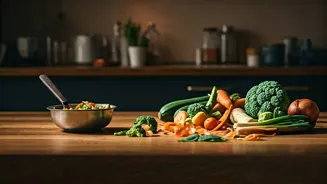
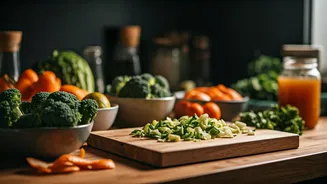
One of the most powerful low-waste principles is using the entire plant. We’ve been conditioned to discard parts of vegetables that are not only edible but often packed with flavor and nutrients. This is where a smart cook shines. Those tough broccoli stems you usually toss? Peel and slice them thinly for a crunchy slaw, roast them alongside the florets, or purée them into a creamy soup. The leafy green tops of carrots or beets can be transformed into a zesty, pesto-like sauce. Even celery leaves, which many discard, can be used as a fresh herb to garnish soups or salads. By adopting a “root to stem” (or “nose to tail” for meat) approach, you effectively double the value you get from your produce.
Give Stale Bread a Second Life
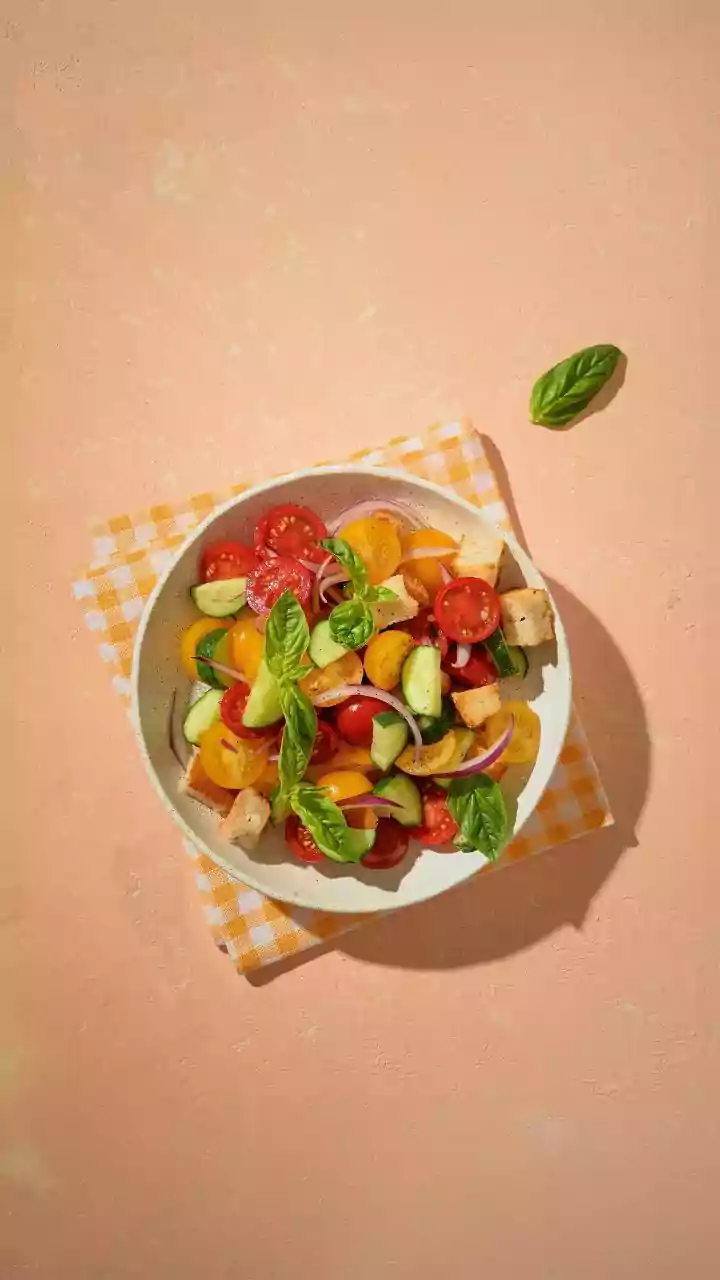
Day-old bread isn't a failure; it’s an opportunity. Stale, dry bread is far superior for certain dishes than its fresh counterpart because it can absorb more liquid without turning to mush. It’s the perfect foundation for a classic panzanella salad, where cubes of dried bread soak up tomato juice and vinaigrette. It makes the crispiest, most satisfying croutons—just toss with olive oil and seasonings and bake until golden. Pulse it in a food processor for homemade breadcrumbs to top a casserole or bind meatballs. And for a weekend treat, stale brioche or challah makes for the richest, most decadent French toast or bread pudding imaginable. Never throw away a good loaf again.
Unlock Flavor from Kitchen Scraps
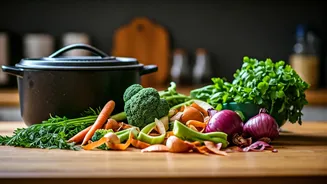
Some of the most flavor-packed ingredients are the ones we’re quickest to discard. Keep a large bag in your freezer and fill it with onion skins, carrot peels, celery ends, mushroom stems, and herb sprigs. Once it's full, simmer the contents with water for an hour to create a deeply flavorful, zero-cost vegetable broth that blows away the boxed stuff. That Parmesan rind that’s too hard to grate? Toss it into your next pot of minestrone or tomato sauce; it will soften and release a savory, nutty depth into the entire dish. You can even infuse olive oil by gently warming it with leftover rosemary or thyme stems. These small habits turn kitchen “trash” into your secret weapon for incredible flavor.
Smart Storage Is the First Step
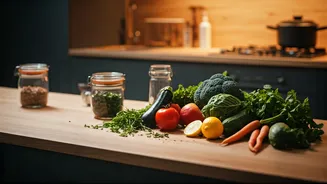
Preventing waste starts before you even pull out a knife. Proper storage is a non-negotiable skill for a smart home cook. For example, storing fresh herbs like cilantro and parsley in a jar with a bit of water—like a bouquet of flowers—can extend their life for over a week. Keep tomatoes and onions on the counter, not in the fridge, to preserve their texture and flavor. If you notice your greens starting to wilt, don’t wait for them to turn to slime. Sauté them with garlic and olive oil immediately, blend them into a smoothie, or freeze them for later use in soups. A few minutes spent on proper storage can save you from having to throw away perfectly good food days later.