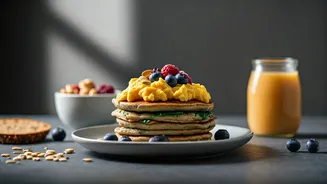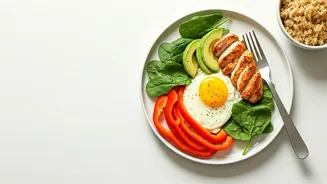








The Old Way: The Endless Snack Cycle
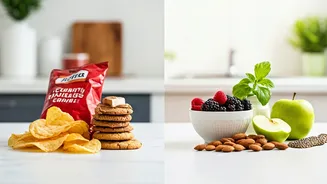
For decades, the American snack landscape has been dominated by convenience-packaged, refined carbohydrates. Think pretzels, crackers, chips, and sugary granola bars. While easy to grab and satisfying for a fleeting moment, these snacks often set us up
for failure. They cause a rapid spike in blood sugar, followed by an inevitable crash that leaves you feeling tired, foggy, and, ironically, hungry for another snack within the hour. This creates a vicious cycle of spiking and crashing, making it difficult to manage energy levels, control appetite, and make thoughtful food choices. Dietitians refer to these as 'empty calories'—they provide energy but offer very little in the way of nutrients, fiber, or protein that your body needs to thrive.
The Shift: Prioritizing Protein and Fiber
The snacking shift that has nutrition experts buzzing isn't a complicated diet or a restrictive set of rules. It’s a simple pivot in thinking: build your snacks around protein and fiber. Instead of asking, 'What’s quick and crunchy?' the new question is, 'Where is the protein and fiber?' This strategic approach turns snacking from a mindless habit into a purposeful tool for managing your day. Protein is the most satiating macronutrient, meaning it helps you feel fuller for longer. Fiber, found in fruits, vegetables, and whole grains, slows down digestion and helps stabilize blood sugar. Combining these two nutritional powerhouses creates a snack that provides sustained energy and prevents the dramatic hunger pangs that lead to overeating later.
Why Your Body and Brain Will Thank You
Adopting a protein-and-fiber-first snacking strategy has benefits that go far beyond just curbing hunger. First, stable blood sugar is a game-changer for mood and concentration. By avoiding the sharp peaks and valleys, you’ll experience more consistent energy and focus throughout the day. Say goodbye to that post-snack brain fog. Second, this approach supports metabolic health. Adequate protein intake is crucial for maintaining muscle mass, which is vital for a healthy metabolism, especially as we age. Finally, this shift helps you meet your daily nutrient needs. Snacks built on whole foods like nuts, seeds, yogurt, fruits, and vegetables contribute valuable vitamins and minerals, unlike their highly processed counterparts. It transforms snack time from a potential nutritional liability into a valuable opportunity to nourish your body.
Putting It Into Practice: Simple Swaps
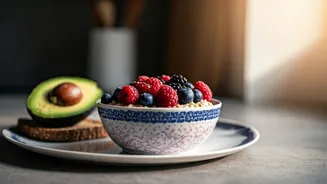
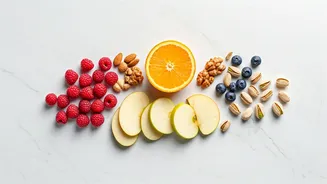
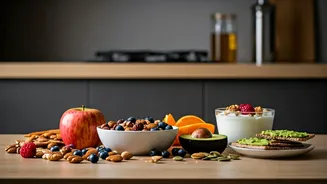
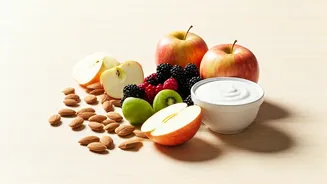
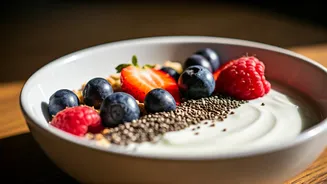
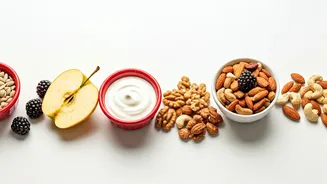
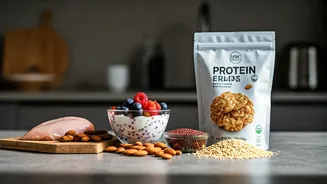
Making this shift doesn't require a pantry overhaul or hours of meal prep. It’s about making smarter, more intentional choices. Here are some easy swaps to get you started: - Instead of a bag of pretzels, try a handful of almonds or walnuts. - Instead of a sugary, low-fat yogurt, choose plain Greek yogurt and add a few berries. - Instead of a plain granola bar, look for one with at least 5-10 grams of protein and minimal added sugar, or grab an apple with a tablespoon of peanut or almond butter. - Instead of chips, try crunchy roasted chickpeas or some baby carrots with hummus. - A hard-boiled egg, a stick of string cheese, or a small cup of cottage cheese are also excellent, no-fuss options that are packed with protein. The goal is to have these powerful combinations ready to go, making the healthy choice the easy choice when hunger strikes.