





A Global Symbol of Resilience
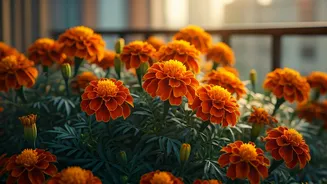
The term “monsoon flower” might seem strange to an American gardener, but it perfectly captures the marigold’s spirit. In South Asia, particularly India, marigolds burst into brilliant bloom during the monsoon season, a time of intense heat and daily
rain. They are woven into garlands for festivals like Diwali, symbolizing auspiciousness and the vibrant life that persists even through challenging weather. This cultural association isn't just symbolic; it’s rooted in the plant’s horticultural reality. The marigold (genus *Tagetes*) is native to the Americas but has adapted beautifully to climates around the world that feature hot, wet summers. Its ability to flourish during these periods has made it a global icon of fortitude, a flower that promises color and cheer when other plants might surrender.
Built for Summer's Extremes
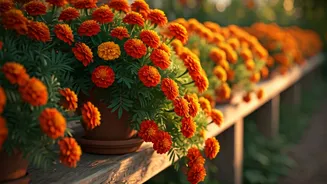
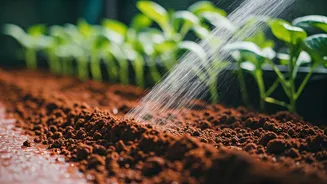
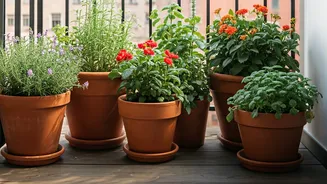
So what makes the marigold a champion of difficult weather? It’s a plant that loves full sun, soaking up the kind of direct heat that causes more delicate flowers to wilt by midday. But its real superpower is its tolerance for the drenching rains of a summer storm. While many annuals suffer from petal damage, fungal diseases, or root rot in soggy conditions, marigolds are surprisingly robust. Their sturdy stems and dense foliage shed water effectively, and as long as they are planted in well-draining soil, they bounce back quickly from a downpour. This doesn’t mean they enjoy sitting in a swamp—good drainage is key—but they won’t turn to mush after a 30-minute thunderstorm. This resilience makes them a reliable choice for garden beds, borders, and containers throughout the unpredictable American summer.
The Garden's Unseen Guardian
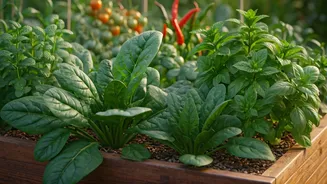
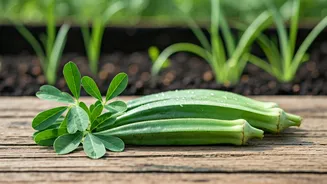
Perhaps the most significant way marigolds “deliver” is by acting as a natural form of pest control. This isn’t just gardening folklore; it’s backed by science. The roots of certain marigold varieties, especially French marigolds (*Tagetes patula*), release a chemical that is toxic to root-knot nematodes. These microscopic worms live in the soil and can wreak havoc on the roots of susceptible plants like tomatoes, peppers, and okra. By planting a crop of marigolds in a vegetable patch for a season, you can effectively “cleanse” the soil, reducing nematode populations for the next couple of years. Above ground, their pungent scent is known to deter other pests, from rabbits (who tend to dislike the taste) to a variety of insects. Planting marigolds as a border around your vegetable garden is one of the oldest and most effective tricks in the companion planting book.
Effortless, Season-Long Color
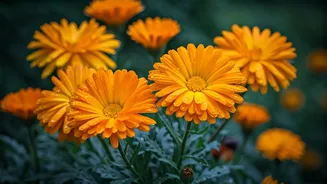
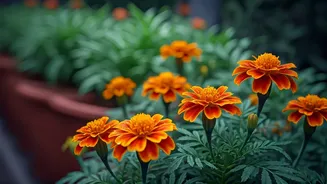
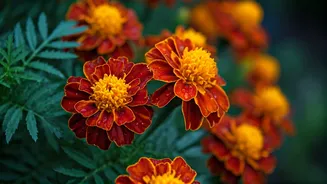
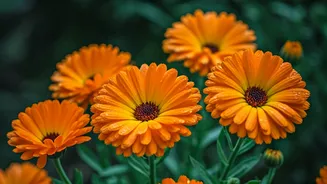
Beyond its toughness and protective qualities, the marigold is simply a workhorse of color. It’s incredibly easy to grow from seed or starters and requires minimal fuss once established. It asks for little more than sunshine and occasional watering during dry spells. In return, it provides a continuous explosion of sunny yellows, fiery oranges, and deep burgundies from late spring right up until the first hard frost. To keep the show going, all you need to do is “deadhead,” or pinch off the spent blooms. This simple task encourages the plant to produce more flowers instead of putting its energy into seed production. For the low-maintenance gardener who wants maximum visual impact with minimum effort, there are few plants that offer a better return on investment.
Choosing Your Champion
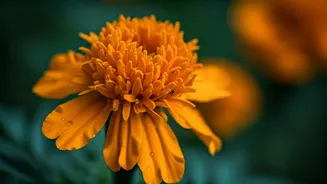
Not all marigolds are created equal, and choosing the right one depends on your goal. French marigolds are compact, often bicolored, and are the best choice for nematode control in vegetable gardens. They typically grow between 6 and 12 inches tall. African marigolds (*Tagetes erecta*), also called American marigolds, are much taller—some reaching up to three feet—with large, globe-like flower heads. They make a dramatic statement in the back of a border. Signet marigolds (*Tagetes tenuifolia*) are a more delicate-looking option, with lacy foliage and small, single-petal flowers that are actually edible, carrying a citrusy, spicy flavor. They are perfect for window boxes and the front of a garden bed. Whichever you choose, you're planting a little piece of garden insurance.