


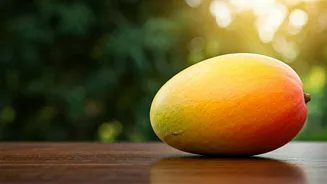
The Arrival of a Cult Favorite
For years, getting your hands on a truly great Indian mango in the United States was a quest. It involved knowing a guy, timing a visit to a specialty grocer perfectly, or paying a premium for a precious, air-freighted box. But something has shifted.
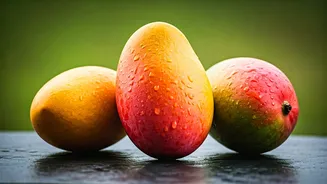
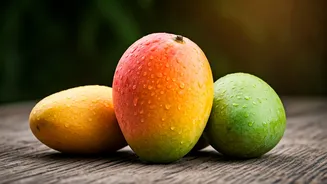
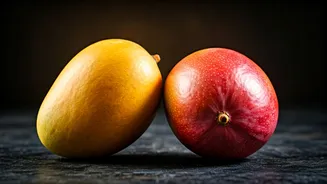
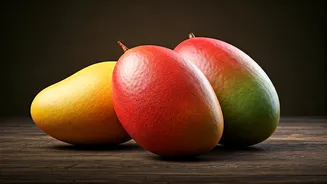
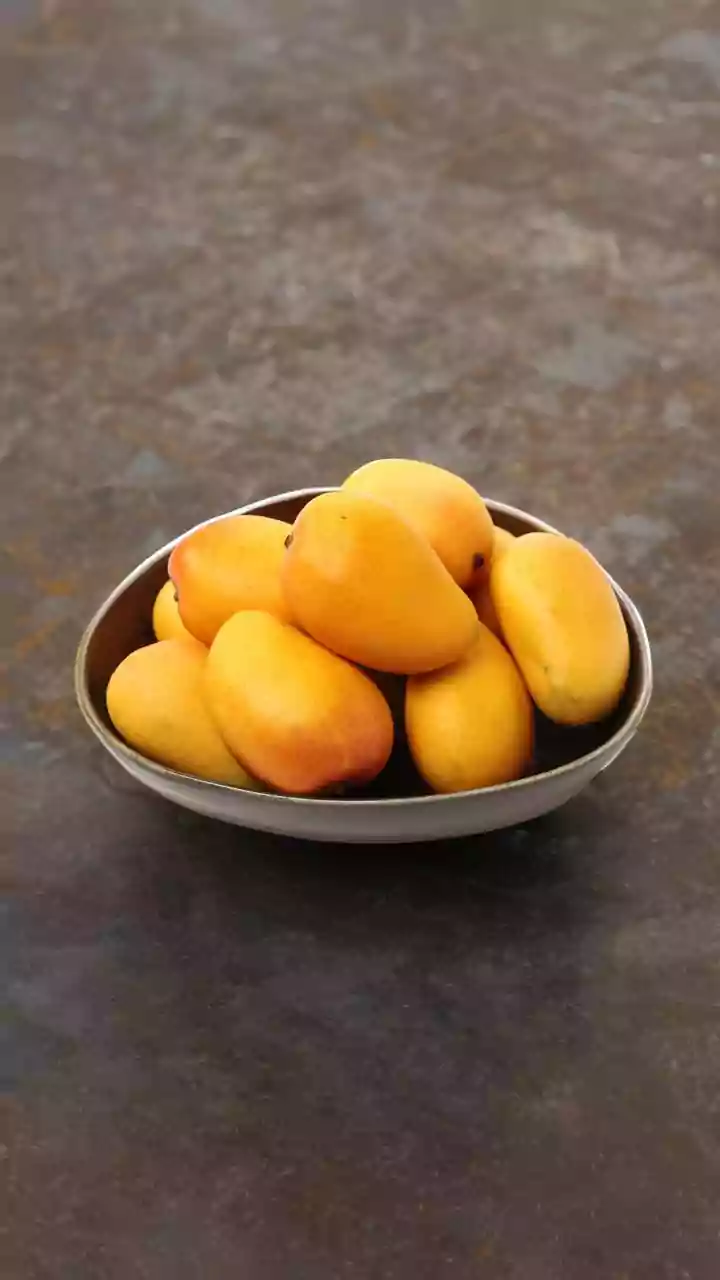
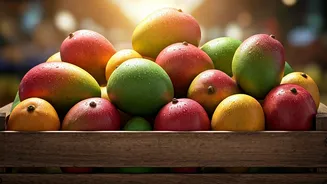
Walk into many South Asian grocery stores, and increasingly, even some mainstream markets during the late spring and early summer, and you’ll see them: pale yellow, oblong, and radiating a quiet confidence. The Banganapalli mango has landed. This isn't just about a new fruit appearing on shelves. For the Indian diaspora, it’s a fragrant, juicy piece of home. For American food lovers, it’s the next frontier in fruit exploration, a significant upgrade from the fibrous, reddish-green Tommy Atkins mangoes that have long dominated U.S. supermarket aisles. This “mango era” is the culmination of years of improved logistics, streamlined import processes (including mandatory irradiation to meet USDA standards), and a growing American palate that craves authenticity and diversity. The king is here, and the court is ready.
What Makes a Banganapalli So Special?
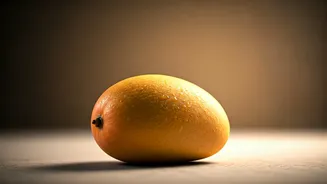
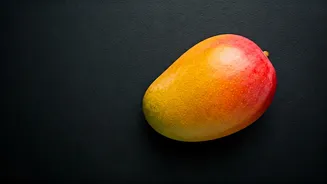
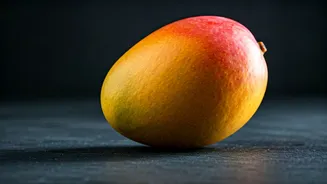
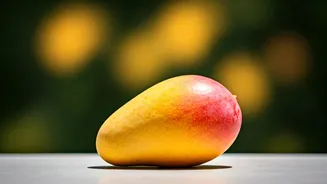
To the uninitiated, a mango is a mango. To a fan, that’s like saying a car is a car. The Banganapalli is the luxury sedan of the mango world: smooth, refined, and effortlessly superior. The first thing you’ll notice is its skin—a delicate, thin, and entirely edible membrane that stays a uniform pale yellow even when perfectly ripe. There's no need for the vigorous peeling that other varieties demand. Cut it open, and the difference becomes even more apparent. The flesh is a glorious, deep saffron color and, most importantly, almost entirely fiberless. This isn't the stringy experience of wrestling with a lesser mango; this is pure, buttery, melt-in-your-mouth bliss. The flavor profile is a masterclass in balance. It’s intensely sweet but cut with a sophisticated, slightly tart undertone that prevents it from being cloying. The aroma alone is intoxicating, a floral, fruity perfume that fills a room and signals that summer has truly begun. It’s no wonder this variety is often called 'The King of Mangoes' in its native land.
A Protected Taste of Andhra Pradesh
The Banganapalli doesn't just taste special; it has a protected pedigree. The mango gets its name from the town of Banganapalle in the state of Andhra Pradesh, India, where it has been cultivated for over a century. In 2017, it was granted a Geographical Indication (GI) tag, a status similar to the protected designations for Champagne from France or Parmigiano-Reggiano from Italy. This GI tag is a guarantee of authenticity. It certifies that the mango was grown in the specific Kurnool District of Andhra Pradesh, adhering to traditional cultivation methods that contribute to its unique taste and texture. It protects the fruit from imitation and ensures that when you buy a Banganapalli, you’re getting a product with a specific and celebrated terroir. This isn’t just a piece of fruit; it's a piece of cultural and agricultural heritage, a direct link to the soil and climate of a very specific part of the world.
How to Pick and Enjoy Your Prize
Now that you're sold, how do you make sure you get a good one? Look for a mango that is mostly yellow, with a firm feel that has just a slight give when gently pressed, similar to a ripe avocado. Avoid fruits with significant bruising or shriveled skin. Your best tool, however, is your nose. A ripe Banganapalli will have a rich, sweet fragrance near the stem. Once you get it home, the best way to enjoy it is often the simplest. Many purists will tell you the only proper way is to slice it, score it, and eat the cubes directly from the skin, or just eat it over the sink with juice dripping down your arms—a rite of passage for any true mango lover. Its low fiber content also makes it perfect for smoothies and lassis, where it blends into a velvety, smooth texture. You can also dice it for salsas or use it in desserts, but for your first time, consider experiencing it unadorned to truly appreciate its perfect flavor.