




Why Herbs Are the Perfect Balcony Crop
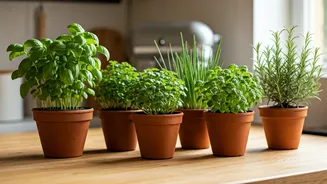
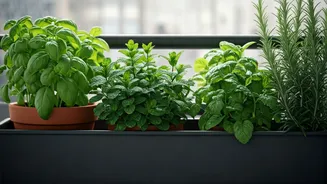
Before we dive into the 'what,' let's talk about the 'why.' Herbs are uniquely suited for the challenges of small-space gardening. Most are compact, thrive in containers, and offer an incredible return on investment. Just a few pots can provide a summer-long
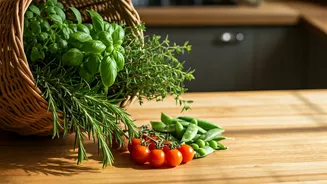
supply of flavors that would cost a small fortune at the grocery store. Beyond the savings, there’s the sheer joy of snipping fresh basil for your pasta or muddling mint you grew yourself for a mojito. They’re also a sensory delight, releasing beautiful aromas whenever you brush past them. For beginner gardeners, herbs are wonderfully forgiving, making them the perfect entry point into growing your own food.
Basil: The Quintessential Summer Herb
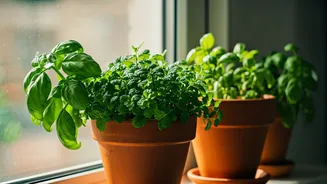
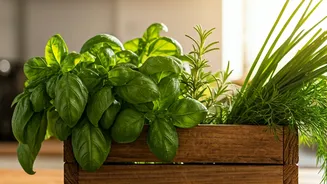
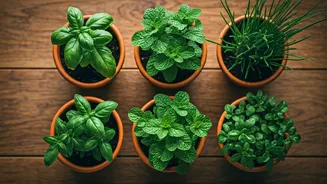
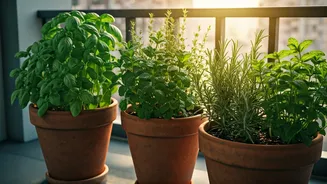
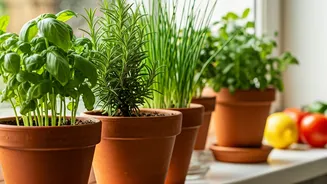
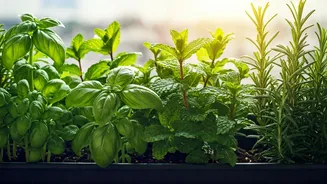
If you plant only one herb, make it basil. The soul of pesto, Caprese salads, and countless other summer dishes, basil loves the sun and heat that many balconies provide. Plant it in a pot that’s at least 8 inches in diameter to give its roots room to grow. Keep the soil consistently moist but not waterlogged, and be sure to pinch off the flower buds as they appear. This encourages the plant to put its energy into producing more of those delicious leaves, not seeds. A single, happy basil plant can keep you in fresh leaves from June through September.
Mint: The Refreshing, Aggressive Grower
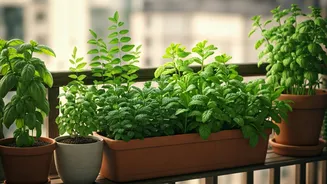
Mint is incredibly easy to grow—so easy, in fact, that it comes with a warning: always plant it in its own container. Its runners will aggressively take over any space they can find, choking out other plants. But contained in its own pot, mint is a balcony superstar. It’s perfect for iced tea, cocktails, and fruit salads. Most varieties, like spearmint and peppermint, are quite tolerant of partial shade, making them a great option for balconies that don’t get full sun all day. Water it regularly and harvest often by snipping stems.
Rosemary: The Drought-Tolerant Pine
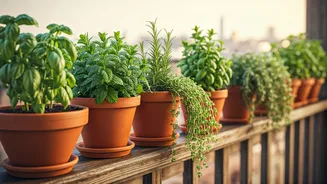
For the sunny, hot, and sometimes forgotten-about corner of your balcony, rosemary is the answer. This woody, evergreen herb thrives on neglect. It prefers its soil to dry out between waterings and loves at least six hours of direct sun. Its pine-like, resinous flavor is a game-changer for roasted potatoes, chicken, and lamb. Plus, its sturdy stems can be used as flavorful skewers for grilling. Rosemary is a perennial, so if you live in a milder climate, you might be able to enjoy it year-round. In colder zones, you can try bringing it indoors for the winter.
Chives: The Easiest Onion Flavor
Chives are the unsung heroes of the herb garden. Belonging to the allium family, they provide a delicate oniony kick that’s perfect for sprinkling over eggs, baked potatoes, and soups. They grow in grass-like clumps and are incredibly low-maintenance. Just give them a sunny spot and regular water. The best part? They are a 'cut-and-come-again' plant. Snip what you need with scissors, leaving about two inches of growth, and they will quickly regrow. In late spring, they even produce beautiful, edible purple flowers.
Thyme: The Hardy, Aromatic Groundcover
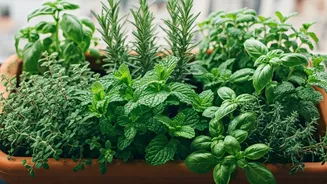
Whether you choose an upright variety like English thyme or a creeping one that will spill beautifully over the edge of a pot, this herb is a must-have. Like rosemary, thyme is a Mediterranean native that loves sun and well-draining soil. It’s relatively drought-tolerant once established. Its tiny, fragrant leaves pack a powerful, earthy punch that enhances everything from stews and sauces to roasted vegetables. It’s a foundational flavor in many cuisines and a hardy, reliable performer in a container garden.
Simple Tips for a Thriving Herb Balcony
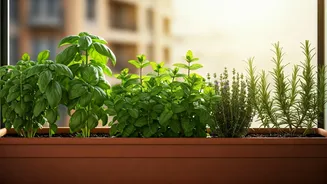
Success with balcony herbs comes down to a few basics. First, choose the right pot. Ensure every container has drainage holes at the bottom—herbs hate 'wet feet.' Second, use high-quality potting mix, not garden soil, which is too dense for containers. Third, pay attention to the sun. Group sun-lovers like rosemary and basil together, and give shade-tolerant plants like mint and parsley a bit of afternoon relief. Finally, don't be afraid to harvest! Regular trimming encourages most herbs to become bushier and more productive.