

Not Your Grandfather's Fava Bean
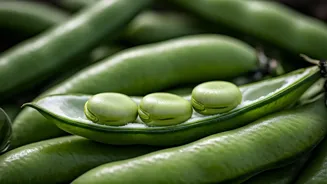
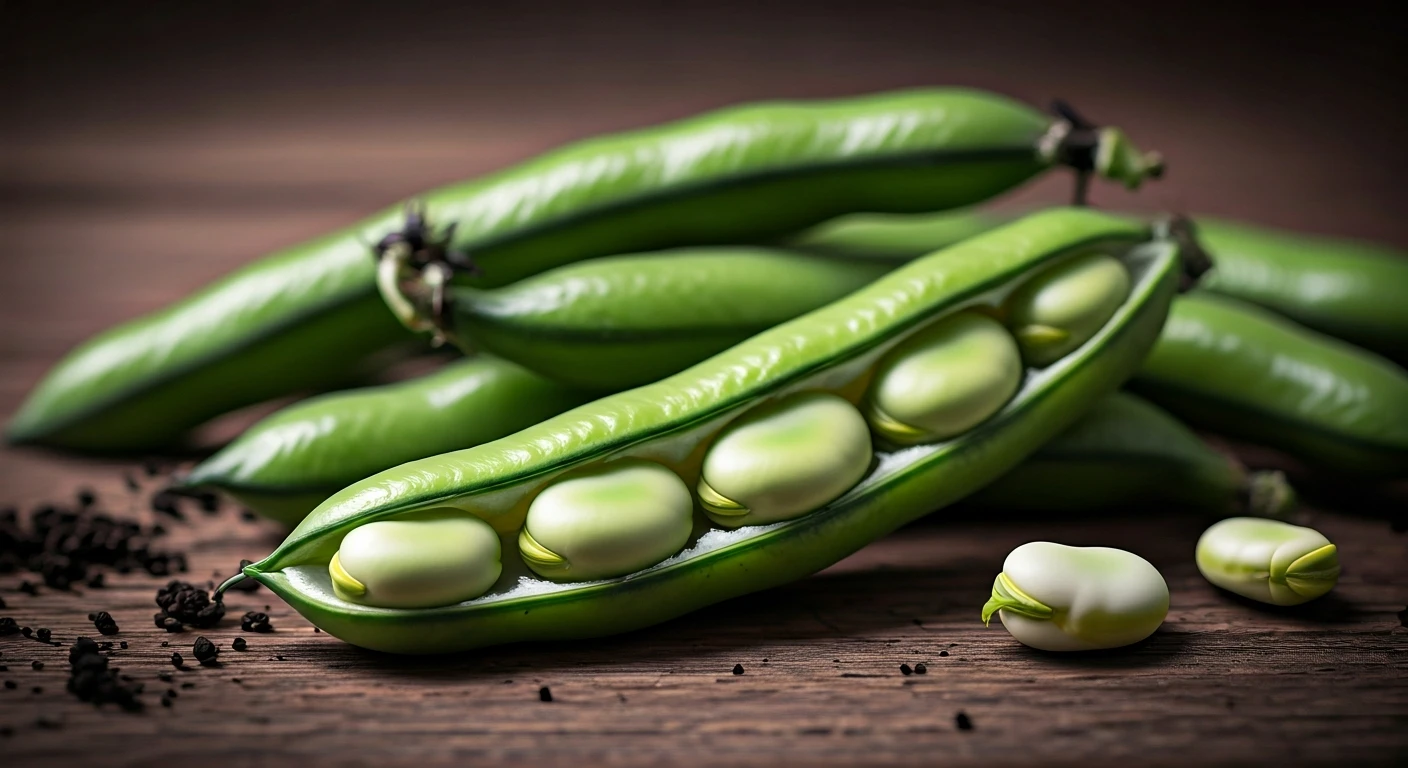
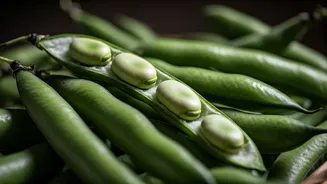
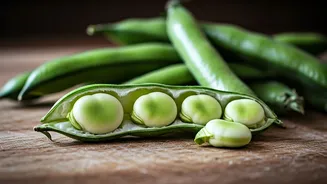
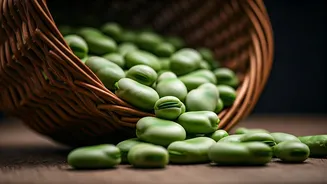
If your only association with fava beans involves a Hannibal Lecter quote, it’s time for a major update. While they are the same species, the fava beans revolutionizing the food industry aren't the large, khaki-colored legumes you might find canned in brine.
Instead, food scientists are using a highly refined fava bean protein isolate. Through a process of milling, separating, and concentrating, they strip away the starches and fibers to create a fine, pale yellow powder that is packed with protein—typically boasting a concentration of 80-90%. This isn’t about adding whole beans to a veggie burger; it’s about using a powerful, functional ingredient to build a better plant-based product from the ground up. This distinction is key: the industry isn't just adopting a new vegetable, it's leveraging a high-tech component derived from it.
The Search for a Neutral Base
So, why the sudden shift? For years, pea protein has been the workhorse of the modern plant-based boom, powering brands like Beyond Meat and countless others. It’s affordable, scalable, and not a major allergen like soy. But it has one significant drawback: its taste. Pea protein has a distinctively earthy, sometimes grassy or bitter flavor that food formulators are constantly trying to mask with sugar, salt, and other “masking agents.” This can compromise the final product's taste and clean-label appeal. As the plant-based market matures, consumers are becoming more discerning. They don't just want a meat alternative; they want one that tastes great on its own merits. The industry realized it needed a better starting point, a protein source that didn’t require so much corrective work. The search for this “neutral canvas” led directly to the fava bean.
The Fava Bean Advantage
Fava bean protein solves many of the problems that plague its predecessors. Its biggest selling point is its remarkably neutral flavor profile. It lacks the strong beany notes of soy and the grassy undertones of pea, allowing the intended flavors of the final product—be it a savory burger or a sweet vanilla yogurt—to shine through. This means manufacturers can use fewer additives, resulting in a cleaner ingredient list. Beyond taste, fava beans also deliver on texture. The protein creates a smooth, creamy mouthfeel, making it ideal for dairy alternatives like milk, ice cream, and yogurt where grittiness is a deal-breaker. In meat analogues, it helps create a firm, satisfying bite. Nutritionally, it’s a powerhouse, offering a complete amino acid profile that’s comparable to soy and pea. Plus, as a bonus, it's not one of the top eight major food allergens in the U.S., giving it a leg up on soy.
Coming to a Shelf Near You
While it may not always be advertised on the front of the package, fava bean protein is already making its way into a wide array of products. You’ll find it improving the texture of plant-based milks and giving a protein boost to vegan yogurts and cheeses. Major brands are reformulating their meat alternatives, blending fava with pea and other proteins to achieve a more meat-like experience. Nestlé’s Garden Gourmet line in Europe and some newer iterations of popular American brands are quietly incorporating it. It’s also appearing in high-protein pastas, gluten-free baked goods, and protein powders, where its neutral taste is a massive benefit. As food companies continue to refine their recipes to win over flexitarian consumers, expect to see “fava bean protein” become an increasingly common sight on ingredient labels.