





More Than Just Muscle
For decades, the image of strength training was inseparable from the silhouette of a bodybuilder: bulging biceps, a V-taper torso, and an almost singular focus on aesthetics. This stereotype cast a long shadow, positioning weightlifting as a niche pursuit
for those chasing a specific, often hyper-masculine, look. But that perception is crumbling. The modern understanding of strength training is far more holistic, recasting it as a foundational pillar of overall health and well-being. The conversation has shifted from how you look to how you feel and function. Research and anecdotal evidence alike now celebrate its profound benefits on mental health, including reduced symptoms of anxiety and depression. It's lauded for improving sleep quality, boosting energy levels, and providing a tangible sense of accomplishment that builds confidence far beyond the gym walls. This rebranding has been crucial in opening the doors to people who were previously intimidated or uninterested.
The Science of Longevity
Perhaps the most significant driver of this trend is the growing focus on “healthspan”—not just living longer, but living *better* for longer. As a tool for healthy aging, strength training is unparalleled. Geriatricians and fitness experts now universally recommend resistance exercise for older adults. Why? Starting around age 30, adults can lose 3-5% of their muscle mass per decade, a condition called sarcopenia that accelerates weakness and frailty. Strength training is the single most effective antidote. It builds and preserves muscle, which is metabolically active tissue that helps regulate blood sugar and maintain a healthy weight. More critically, it increases bone density. The mechanical stress of lifting weights signals the body to build stronger bones, providing a powerful defense against osteoporosis, a condition that makes bones brittle and susceptible to fracture. For an aging population, the ability to carry groceries, play with grandchildren, and get up from a chair without assistance is the ultimate prize. Strength training is no longer about vanity; it’s about preserving independence.
From 'Toning' to Training
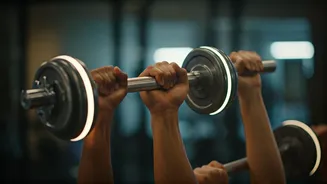
Nowhere is the shift more visible than among women. For years, fitness media pushed a narrative of 'toning' and 'leaning out,' recommending 'long, lean muscles' achieved with tiny pink dumbbells and endless cardio. The implicit message was: don't get bulky. Today, that message has been overwhelmingly rejected. On platforms like Instagram and TikTok, a new generation of female fitness influencers and everyday athletes celebrate strength in its purest form. They post videos of heavy squats, deadlifts, and pull-ups, focusing on performance, power, and the profound confidence that comes from being physically capable. This cultural sea change has empowered women to enter the weight room, not to shrink themselves, but to take up space. The goal is no longer to be less; it's to be more. This has also been supported by a greater understanding that 'bulkiness' is largely determined by hormones and a significant, specific caloric surplus—not by simply lifting heavy weights a few times a week.
The Democratization of the Dumbbell
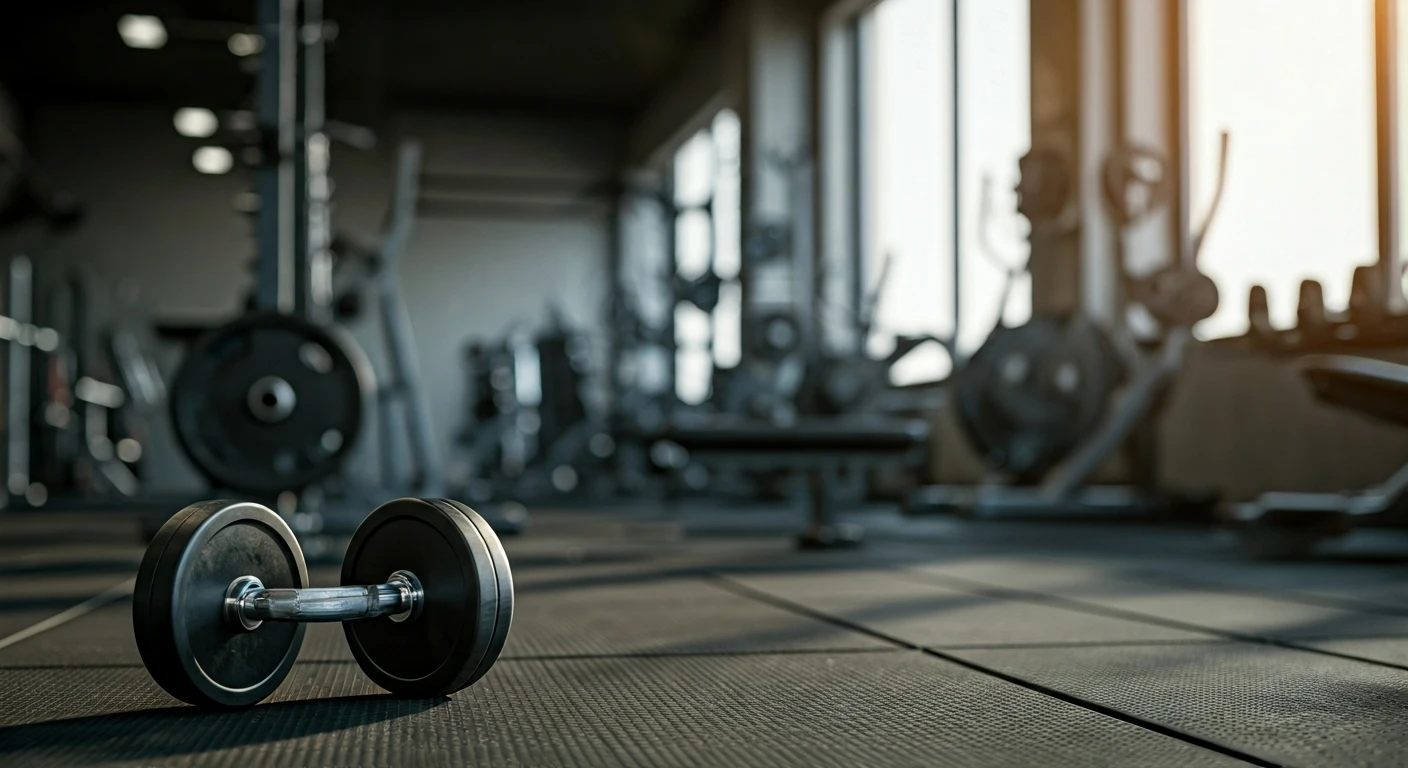
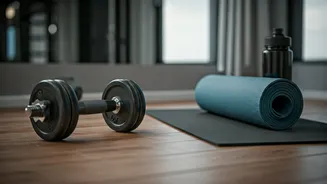
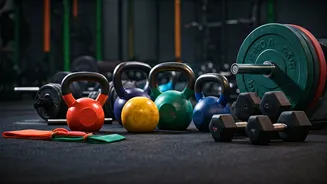
This movement couldn't have happened without a change in the environment itself. The intimidating, spit-and-sawdust gyms of the past are being replaced by more inclusive and welcoming spaces. Boutique studios focused on strength classes, community-oriented CrossFit boxes, and even traditional gyms with better-designed layouts have lowered the barrier to entry. Crucially, the internet has democratized knowledge. A beginner no longer needs to feel lost. Countless high-quality, free resources from qualified coaches on YouTube, Instagram, and dedicated apps can teach proper form for foundational movements. You can find programs tailored to every goal, age, and ability level. This accessibility has decoupled strength training from the physical location of a gym, making it possible for anyone with a pair of dumbbells or resistance bands at home to start their journey. The 'gym bro' is no longer the gatekeeper of information; the knowledge is for everyone.