





First Off, What Is Rasam?
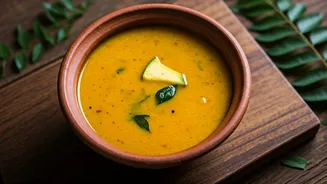
Before we get to the mango, let’s talk about rasam. For millions in South India, rasam is not just a dish; it’s a daily comfort. Think of it as a thin, peppery, and tangy soup, but that description barely scratches the surface. Its name comes from the Tamil
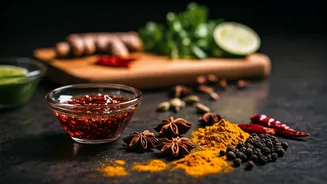
and Kannada word for “juice” or “essence,” and that’s exactly what it is: the essence of spices, tamarind, and tomatoes, often fortified with a light lentil broth. Unlike thicker lentil dishes like dal, rasam is watery, almost like a broth. It’s traditionally served with rice, believed to aid digestion, and is the kind of soul-soothing food you crave when you’re feeling under the weather. It’s a foundational pillar of home cooking in states like Tamil Nadu, Karnataka, and Andhra Pradesh, with countless family variations.
The Genius of Adding Mango
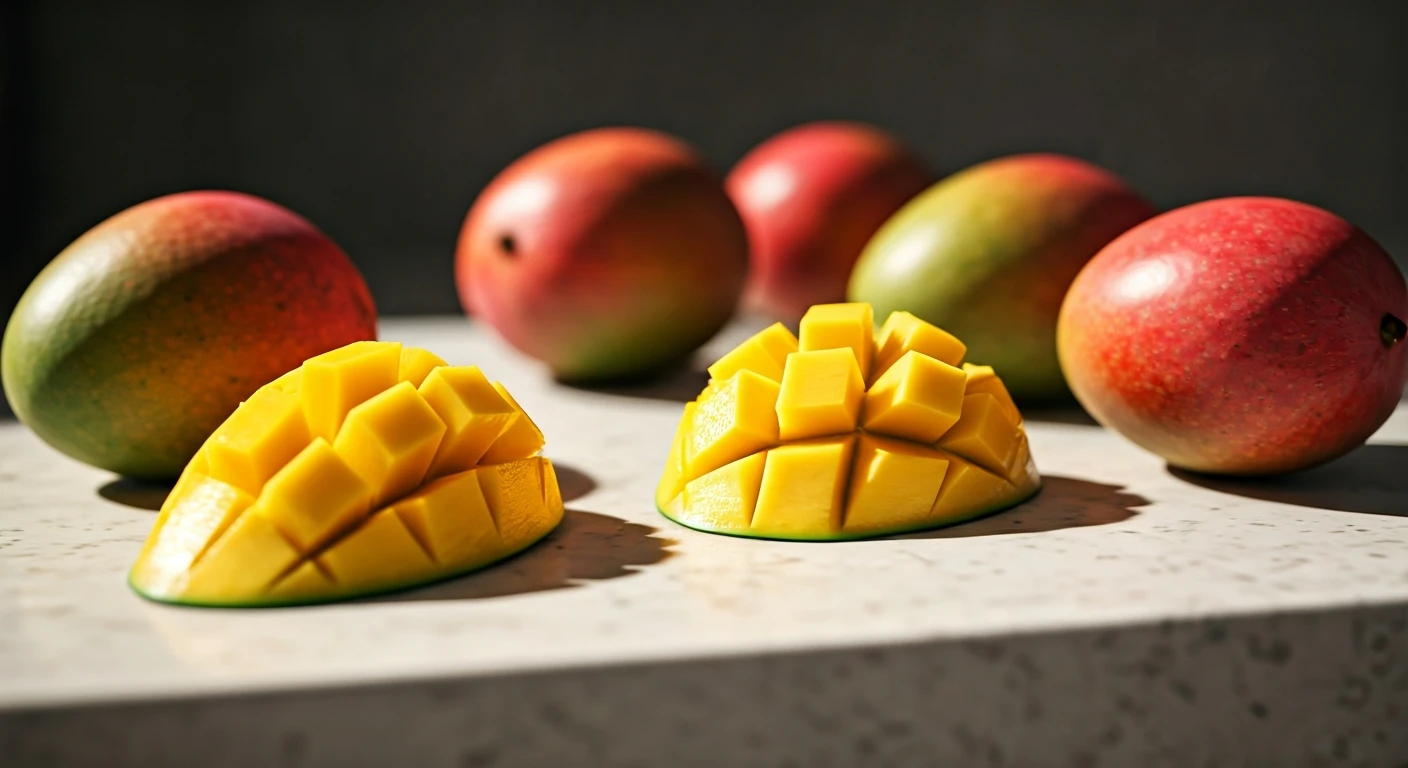
Now, imagine taking that beloved, spicy-sour template and infusing it with the spirit of summer. That’s mango rasam. But here’s the crucial detail: we’re not talking about the sweet, ripe, golden mangoes you find in smoothies. The star of this dish is the raw, green, unapologetically sour mango. At the beginning of mango season, these firm, tart fruits are used in pickles, chutneys, and rice dishes across India. In rasam, the raw mango (known as ‘Mamidikaya’ in Telugu) takes the place of some, or all, of the tamarind, providing a brighter, fruitier, and more complex sourness. It transforms the humble, everyday rasam into a seasonal celebration—a fleeting taste of early summer captured in a bowl.
A Symphony of Contradictory Flavors
The magic of mango rasam is its incredible balance of tastes. It’s a full-on sensory experience. You get a sharp, puckering sourness from the raw mango, which is then rounded out by the earthy, mellow flavor of cooked toor dal (split pigeon peas). A touch of jaggery or sugar is often added to create a delicate sweet-and-sour harmony, preventing the tartness from being overwhelming. Then comes the heat. Aromatic black pepper and red chilies provide a spicy kick that warms you from the inside out. Finally, the whole thing is finished with a ‘tadka’ or tempering—a sizzle of hot ghee or oil infused with mustard seeds, cumin, curry leaves, and asafoetida. This final step blooms the spices, releasing their fragrance and adding a rich, savory depth that ties everything together. It’s sour, sweet, spicy, and savory all at once.
Why It’s the Ultimate ‘Flex’
Bringing a pot of mango rasam to a potluck or serving it as an appetizer is a power move for a few reasons. First, it’s unexpected. Most Americans associate mangoes with sweetness, so a savory, spicy mango soup is an intriguing novelty. Second, it showcases a knowledge of regional Indian cuisine that goes beyond the usual restaurant suspects of tikka masala or saag paneer. It says you’re exploring the authentic, seasonal home cooking of a culture. And third, the flavor profile is just plain impressive. Serving a dish that successfully juggles so many distinct tastes—and does it beautifully—is a true sign of a confident cook. It’s a conversation starter that tastes even better than it sounds.
How to Enjoy It
Mango rasam is wonderfully versatile. The most traditional way to eat it is poured over a mound of hot steamed rice, mixed together with your fingers or a spoon. The rice mellows the intensity and soaks up all the flavor. But you don’t have to stop there. Because of its thin, brothy consistency, it’s also fantastic when sipped on its own as a light soup or appetizer. Imagine serving it in small cups or shot glasses at a summer dinner party—a palate-awakening start to a meal. It’s refreshing on a hot day, yet the spices give it a comforting warmth, making it a perfect dish for those cool summer evenings.