


A Mythical Place Made Real
Tucked away in the high-altitude reaches of Uttarakhand, India, the Valley of Flowers National Park is exactly what its name promises, but so much more. A designated UNESCO World Heritage Site, this isn't your neighborhood botanical garden. It's a vibrant,
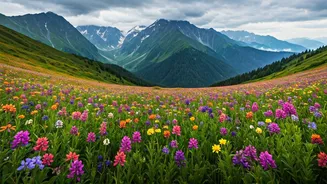
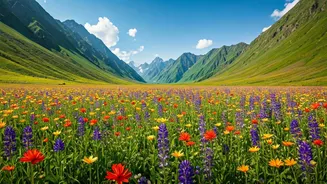
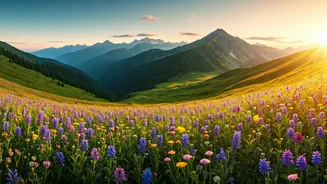
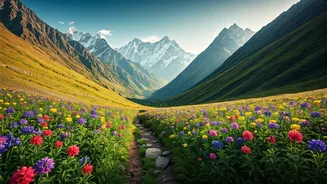
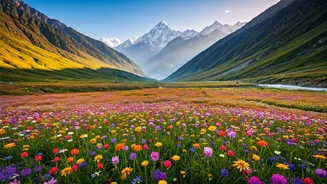
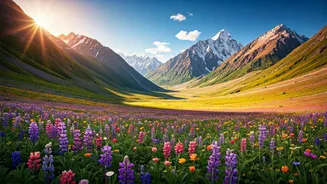
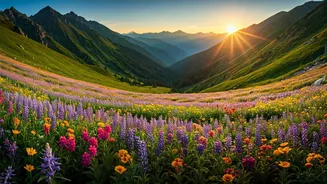
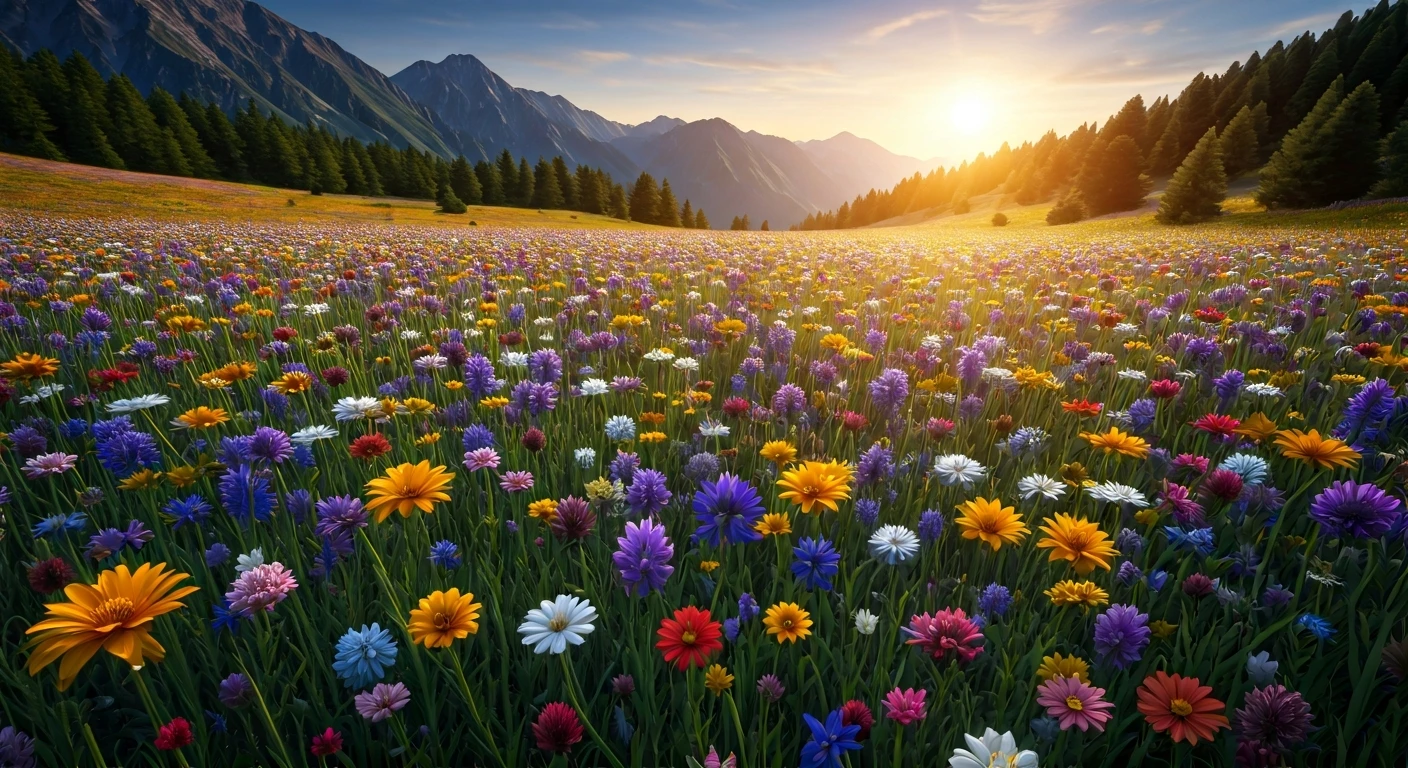
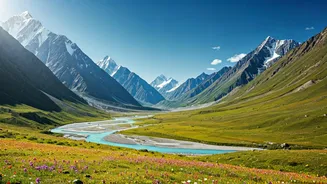
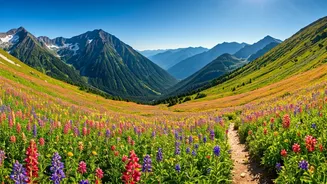
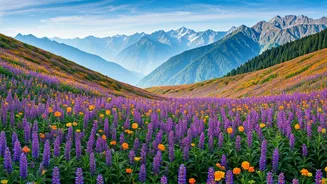
almost surreal landscape set against the dramatic backdrop of the snow-dusted Himalayan peaks. For most of the year, it lies dormant under a thick blanket of snow. But for a fleeting window during the monsoon, it undergoes a radical transformation. The entire valley floor, stretching for miles, erupts into a carpet of more than 500 species of alpine wildflowers, many of which are found nowhere else on Earth. This is nature operating on a grand, theatrical scale.
Embracing the Monsoon Season
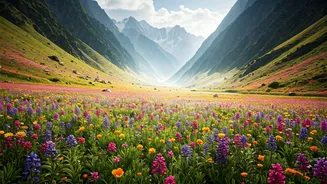
For most travelers, the word 'monsoon' is a red flag. But in the Valley of Flowers, it's the key that unlocks the magic. From late June to early September, the steady rains feed the high-altitude meadows, triggering a synchronized bloom of spectacular color. The landscape becomes a living painting of pink, purple, yellow, and blue. You’ll find rare and fabled flowers like the Brahma Kamal, an ethereal white blossom that blooms only at night, the elusive blue poppy, the hooded cobra lily, and vast swathes of geraniums, potentillas, and anemones. The clouds and mist that swirl through the valley during this time don't detract from the beauty; they enhance it, adding a layer of mystique and making the sudden bursts of color feel even more brilliant and otherworldly.
The Journey Is Part of the Reward
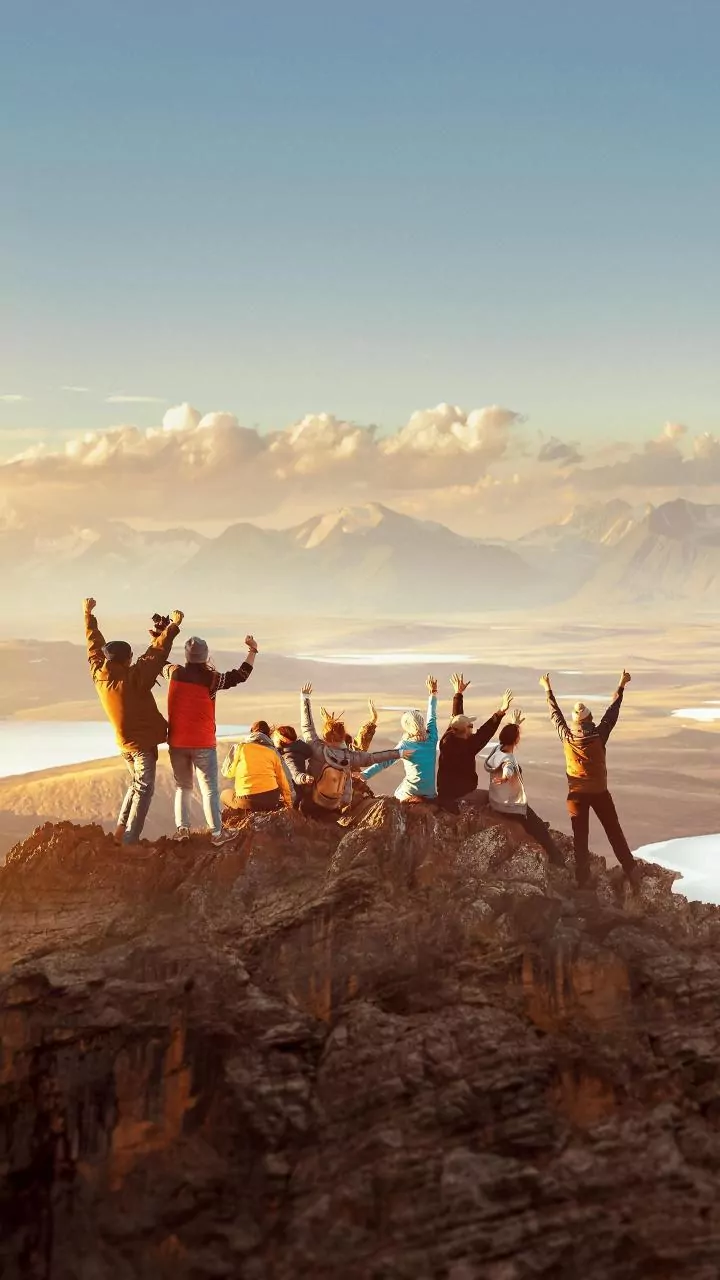
You can't simply drive up to the Valley of Flowers. This is not a roadside attraction, and that is precisely its charm. The journey is an essential part of the experience—a multi-day trek that filters out casual tourists and rewards those willing to put in the effort. The adventure typically begins in the dusty town of Govindghat. From there, it's an invigorating trek of about 8 miles to the small, bustling base camp village of Ghangaria. Here, trekkers acclimatize and rest before making the final push. The path to the valley itself is a moderate but steady climb, weaving alongside rushing rivers and past cascading waterfalls. Reaching the official entry gate and stepping into the valley feels less like arriving at a destination and more like crossing a threshold into another world. The physical exertion makes the floral paradise at the end feel truly earned.
More Than Just Flowers
While the blooms are the main event, the entire region is steeped in natural splendor and spiritual significance. The park is part of the larger Nanda Devi Biosphere Reserve, an area of immense ecological importance. Look up, and you'll see jagged peaks and glaciers defining the horizon. The air is crisp, the silence broken only by birdsong and the sound of distant water. For those seeking even more adventure and a dose of spiritual culture, the trail from the Ghangaria base camp also splits off towards Hemkund Sahib. This is one of the most revered pilgrimage sites for Sikhs, featuring a stunning high-altitude lake and a temple set at over 14,000 feet. Making this side-trip adds a profound cultural dimension to the journey, connecting the region's natural wonders with its deep human history.
Planning Your Himalayan Pilgrimage
A trip to the Valley of Flowers requires planning. The narrow season means booking guides and accommodations in Ghangaria well in advance is essential. For U.S. travelers, the journey involves flying into Delhi, then making your way to Rishikesh or another starting point before the long drive to the trailhead. Physical fitness is a must; while you don't need to be a professional mountaineer, you should be comfortable walking several miles uphill at altitude. Essential gear includes sturdy, waterproof hiking boots, layers of clothing for fluctuating temperatures, and high-quality rain gear. Most importantly, build time into your itinerary for acclimatization to prevent altitude sickness. This isn't a weekend trip, but a true expedition.