




A Promenade Above the Clouds
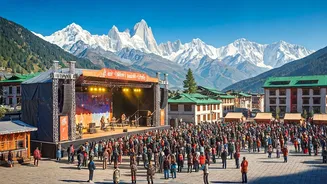
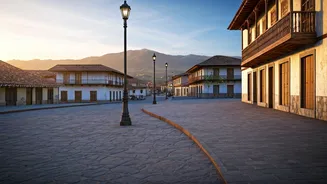
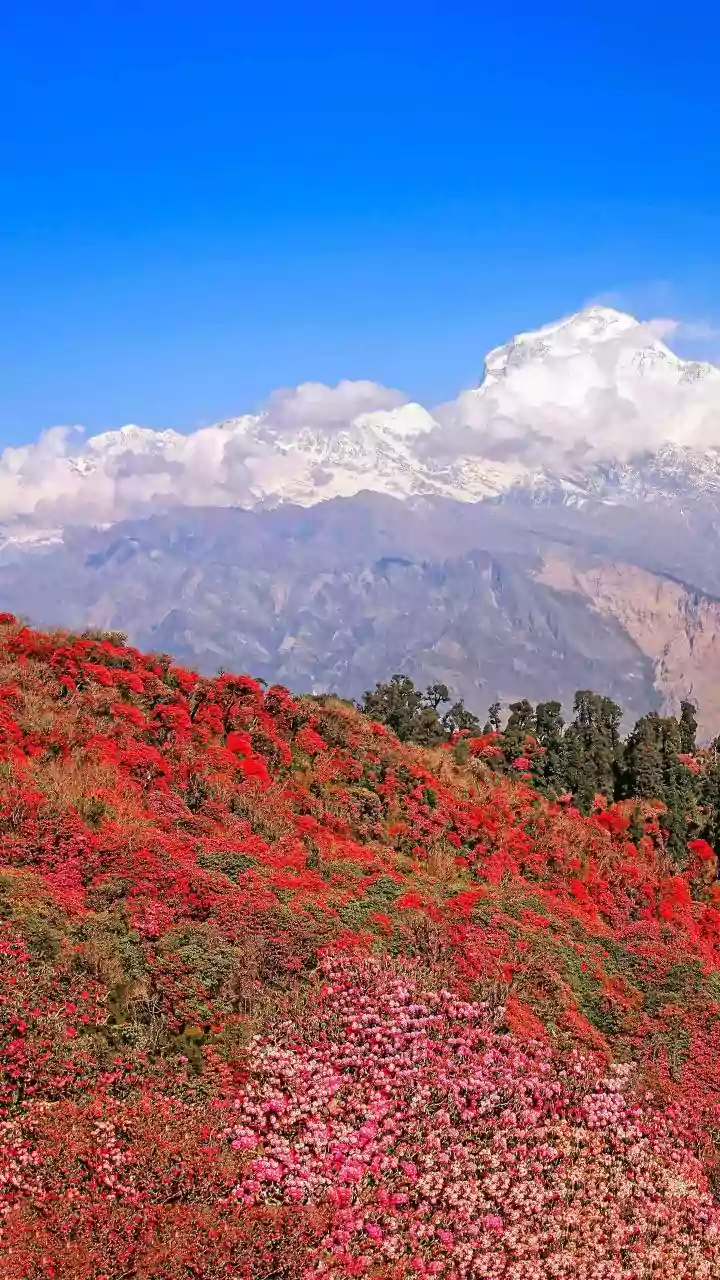
Imagine a town square perched at 7,000 feet, with panoramic views of snow-dusted Himalayan peaks. This is The Ridge, the social and cultural heart of Shimla, a famous hill station in northern India. It’s a vast, open space where traffic is forbidden,
replaced by the happy chaos of human activity. Families pose for photos, vendors sell roasted corn and colorful balloons, and honeymooning couples stroll hand-in-hand. The air itself is an attraction—thin, cool, and a welcome respite from the oppressive heat that blankets much of the country for months on end. The Ridge is more than just a viewpoint; it's the city's open-air living room, anchored by the iconic, neo-Gothic Christ Church at its eastern end. Its famous silhouette, a landmark for over 150 years, stands as a constant reminder of the town’s unique origins.
Echoes of the British Raj
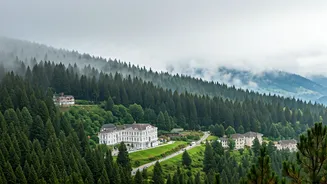
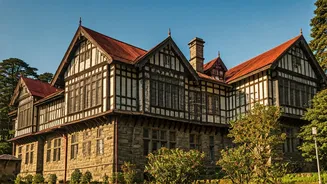
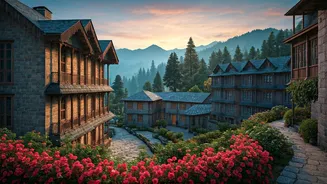
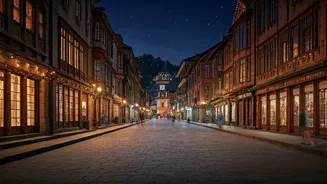
To understand Shimla’s enduring appeal, you have to look back to the 19th century. This wasn't always a bustling tourist town; it was the official summer capital of British India. Each year, the entire colonial administration, led by the Viceroy, would decamp from the scorching heat of Delhi and Kolkata and move lock, stock, and barrel to this mountain sanctuary. For six months, the fate of a subcontinent was decided from these timber-framed, Tudor-style buildings. The Ridge and the adjoining Mall Road were created as an exclusive promenade for the British elite—a slice of England carved into the Himalayas, complete with social clubs, grand balls, and political intrigue. This legacy is etched into the town's architecture, from the stately Gaiety Theatre to the mock-Tudor post office, giving Shimla a historical weight that few other mountain resorts can claim.
Where Colonial Past Meets Indian Present
Today, the colonial ghosts share the space with a vibrant, modern India. The same promenade once reserved for British officers and their families is now joyfully claimed by Indian tourists from across the country. The vibe is less formal empire, more family vacation. While the colonial buildings provide a dramatic backdrop, the main event is the people. You'll see children taking pony rides where British officials once paraded, and local families enjoying ice cream in the shadow of statues celebrating Indian independence leaders. It’s a fascinating cultural layer cake. The Ridge is a place where history isn't cordoned off in a museum; it’s the living, breathing stage for contemporary Indian life. This seamless blend is what makes Shimla so compelling—it’s a city that has absorbed its past without being imprisoned by it.
The Simple Joys of the Ridge
The "festive" atmosphere described in headlines isn't tied to a single event; it's the everyday mood of The Ridge, especially during the peak tourist season from May to July and again in the winter. The festival is the crowd itself. The air buzzes with a dozen different languages. The simple pleasures are the main draw: sitting on a bench to people-watch, savoring a cup of hot masala chai as the sun sets behind the mountains, or browsing the small shops of the Lakkar Bazaar just off the main plaza. During Shimla’s Summer Festival, The Ridge transforms into a stage for folk dances, musical performances, and food fairs, amplifying the already cheerful atmosphere. But even on an ordinary afternoon, the combination of crisp air, stunning scenery, and collective enjoyment creates a palpable sense of celebration.