




The Great Lightening
First, let's talk about "light." This isn't just about calorie-counting or catering to the wellness crowd, though that's part of it. It’s a more intuitive, primal response to the season. When the sun is high and the air is thick with humidity, the last
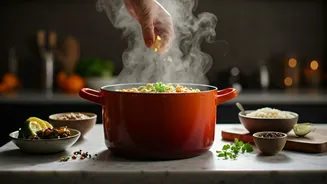
thing most of us crave is a heavy, cream-laden pasta or a rich, braised short rib. Chefs are leaning into this, ditching heavy roux and butter-based sauces for lighter, more agile alternatives. Think vinaigrettes, vibrant herb purées, and infused oils. Proteins are shifting, too. Instead of hearty red meats, menus are showcasing delicate grilled fish, seared scallops, and chicken prepared in ways that preserve its lean nature. The goal is satisfaction without the subsequent food coma, leaving you energized enough to actually enjoy a long summer evening rather than needing a nap.
Embracing the 'Bright' Side
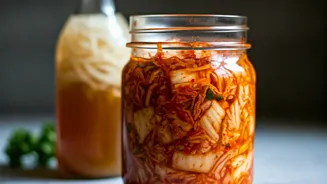
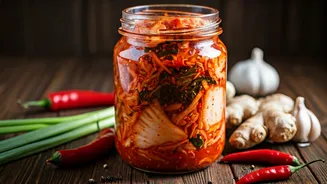
“Bright” refers to both flavor and appearance, a one-two punch for the modern diner. On the palate, brightness comes from acidity. Chefs are using citrus—lemon, lime, grapefruit—with abandon, not just as a final spritz but as a core component in marinades, dressings, and cures. You’ll see it in the explosion of crudos and ceviches, where raw fish is “cooked” in acid, creating a dish that feels both refreshing and sophisticated. Pickled vegetables, tangy yogurts, and vinegars are also being used to cut through richness and awaken the taste buds. Visually, bright means food that pops with color, perfect for the Instagram age. We eat with our eyes first, and a dish dotted with glistening pomegranate seeds, verdant herbs like dill and cilantro, and colorful heirloom tomatoes is inherently more appealing. This visual feast isn't just for show; it signals freshness and a diversity of nutrients and flavors.
The Shareable Revolution
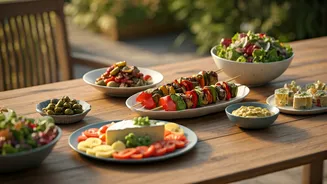
Perhaps the most significant shift is the dominance of the “shareable” format. The old, rigid structure of appetizer-entrée-dessert is dissolving. In its place is a more fluid, communal experience built around small plates, mezze, and large-format dishes designed for the whole table. This trend has several drivers. Economically, it allows diners to sample more of the menu without committing to a single expensive entrée. For restaurants, it encourages larger orders and creates a lively, bustling atmosphere. But culturally, it’s even more important. After years of social distancing, we’re craving connection. Sharing plates forces interaction, sparks conversation (“You have to try this!”), and breaks down the formality of the dining experience. It transforms a meal from a solo mission into a collective adventure. It’s about building a meal together, one plate at a time.
The Perfect Summer Intersection
These three trends don't exist in isolation; they amplify one another. The perfect shareable dish is often something light, like a platter of grilled shrimp. The most memorable bright dishes are often served as small plates, allowing you to taste a spectrum of flavors. Think of a whipped feta dip (shareable) topped with chili-infused honey and fresh mint (bright), served with light, crisp pita. Or a large, shareable platter of whole-roasted branzino (light) stuffed with lemon and herbs (bright). This convergence isn't an accident. It’s a deliberate culinary choice that reflects a broader cultural mood: a desire for experiences that feel fresh, vibrant, and, most importantly, shared.