


The Old Gospel of Bland
For a long time, the dominant wellness philosophy operated on a simple, punishing principle: if it tasted good, it was probably bad for you. Diet food was defined by what it lacked—fat, salt, sugar, and, consequently, flavor. This wasn't just a byproduct;
it was part of the psychological package. Eating something that tasted clinical felt virtuous, like a form of penance for the sin of wanting to lose weight. Food brands reinforced this, packaging low-fat snacks in sterile, lab-like boxes. The message was clear: health required sacrifice, and the first thing to be sacrificed was pleasure. This created a boom-bust cycle for millions of people. You’d endure weeks of tasteless meals, lose some weight, and then, starved for satisfaction, swing back to hyper-palatable comfort foods, undoing all the supposed “good” work.
Science Discovers Satisfaction
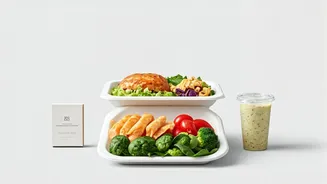
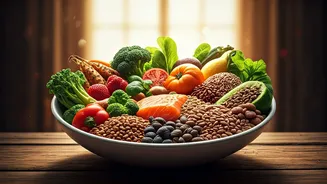
The tide began to turn not in kitchens, but in labs. Nutrition science evolved beyond a simple “calories in, calories out” model. Researchers began to highlight the crucial role of satiety—the feeling of being full and satisfied. It turns out that protein, healthy fats, and fiber do more than just provide energy; they send powerful signals to our brain that we've had enough. Flavor plays a huge part in this. A richly spiced, savory meal with healthy fats is far more psychologically satisfying than a plain chicken breast, even if the calorie counts are similar. This deeper satisfaction helps prevent the late-night cravings and binges that often derail restrictive diets. The scientific consensus shifted: a sustainable healthy eating plan doesn’t just tolerate pleasure, it requires it. Food that makes you feel both physically and mentally satisfied is the food you’ll stick with.
The Rise of Food-Positive Culture
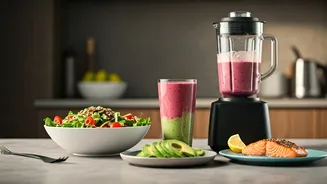
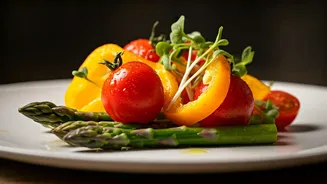
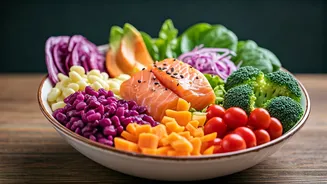
While scientists were studying satiety, a cultural revolution was brewing online. A new generation of registered dietitians, chefs, and wellness influencers began using platforms like Instagram and TikTok to dismantle old-school diet culture. Instead of promoting restriction, they celebrated abundance. Their feeds were filled not with photos of sad salads, but with vibrant, mouth-watering meals that also happened to be incredibly nutritious. They taught a generation of followers how to build a better salad with crunchy toppings and a full-fat dressing, how to roast vegetables with spices until they were caramelized and sweet, and how to create healthy versions of comfort foods that didn't feel like a compromise. They gave us permission to enjoy food again, reframing health as something you achieve by adding nutrients and flavor, not by taking things away.
The Market Finally Got Delicious
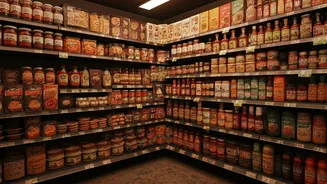
Big Food, ever responsive to consumer demand, took notice. The wellness aisle at the grocery store has undergone a radical transformation. Gone are the days when “healthy” just meant “low-fat.” Today, the shelves are bursting with products that lead with flavor. You’ll find high-protein ice creams in dozens of indulgent varieties, chips made from lentils and chickpeas coated in bold seasonings like sriracha or lime, and an endless array of complex, globally-inspired sauces and marinades with clean ingredient lists. Brands like Fly By Jing, Omsom, and Primal Kitchen built empires on the idea that healthy home cooking should be easy and incredibly flavorful. They understood the new consumer mindset: we don’t want to choose between healthy and delicious anymore. We expect both, and we’re finally getting it.