


From Tourist to Temporary Local
Slow local travel is less a destination and more a state of mind. It’s the intentional choice to trade a packed itinerary for a lingering pace, and a sprawling geographical map for a deep dive into one specific place. Forget the 10-cities-in-10-days European
tour. This is about renting a small cabin in a town two hours away and spending a week exploring its single main street, its hidden hiking trails, and its lone diner. It’s about becoming a regular at a coffee shop, learning the baker’s name, and seeing the same faces on your morning walk. The goal isn’t to ‘see’ everything, but to ‘feel’ something—to shed the identity of a tourist and temporarily inhabit the rhythm of a local.
Trading a Checklist for a Connection
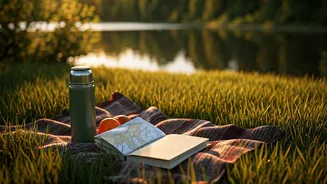
Traditional tourism often operates like a scavenger hunt. We collect landmarks—the Eiffel Tower, the Colosseum, the Grand Canyon—ticking them off a list to prove we were there. The experience is broad but shallow. Slow travel flips the script. Instead of collecting sights, you collect moments. The conversation with the old man fishing off the town pier. The taste of a wild raspberry you picked on a trail you’ve walked three days in a row. The simple pleasure of reading a book on a porch without feeling the pressure to be somewhere else. This approach dismantles the pressure to perform your vacation for an imaginary audience. When you’re not rushing to the next photo-worthy spot, you create space for serendipity. The unplannable, authentic interactions that become the stories you actually tell when you get home.
Why 'Small' Is a Superpower
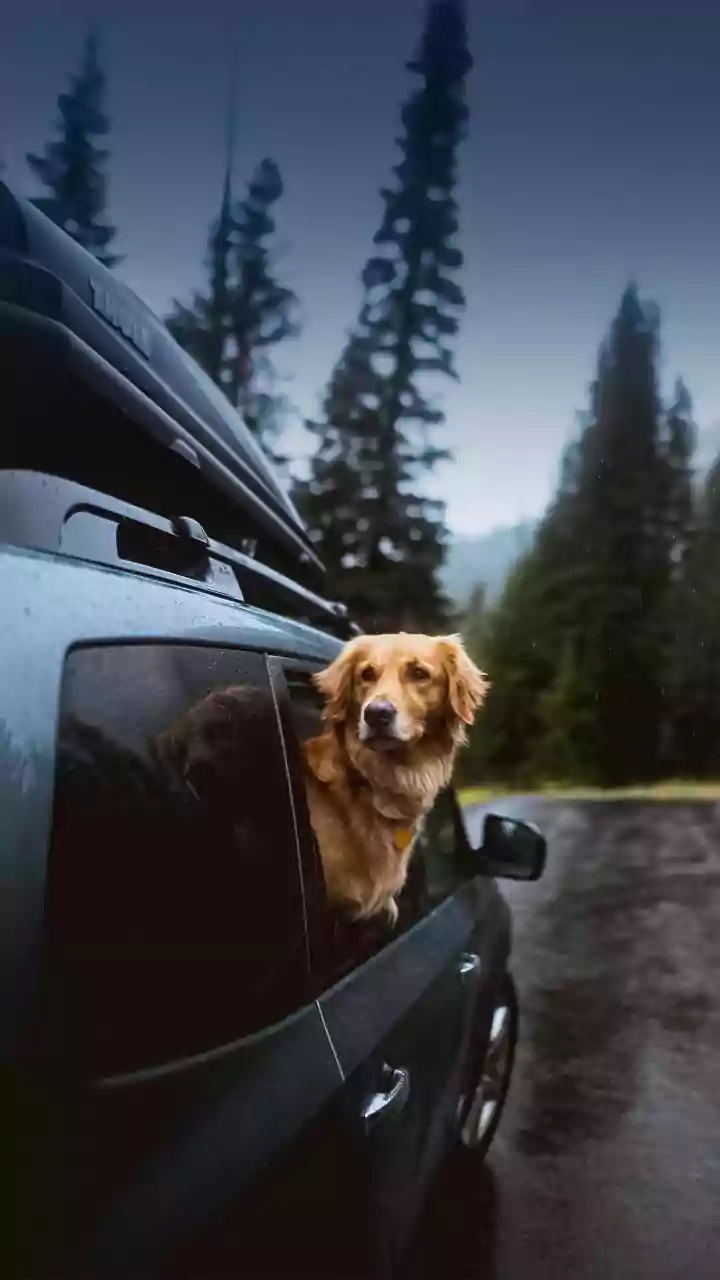
The limited scope of slow local travel is its greatest asset. Staying within a 50- or 100-mile radius of home dramatically cuts down on two of travel's biggest stressors: time and money. You swap expensive flights and jet lag for a short, scenic drive. You exchange pricey hotel rooms in tourist-clogged centers for a quirky Airbnb or a quiet campsite. This reduction in logistical complexity is liberating. It removes decision fatigue and lowers the stakes, making travel feel accessible rather than like a massive, once-a-year undertaking. Furthermore, the environmental footprint is significantly smaller. By avoiding air travel and supporting local economies directly, you’re making a more sustainable choice. The 'smallness' of the trip allows the experience itself to be the main event, not the complicated logistics of getting there.
Finding Depth Close to Home
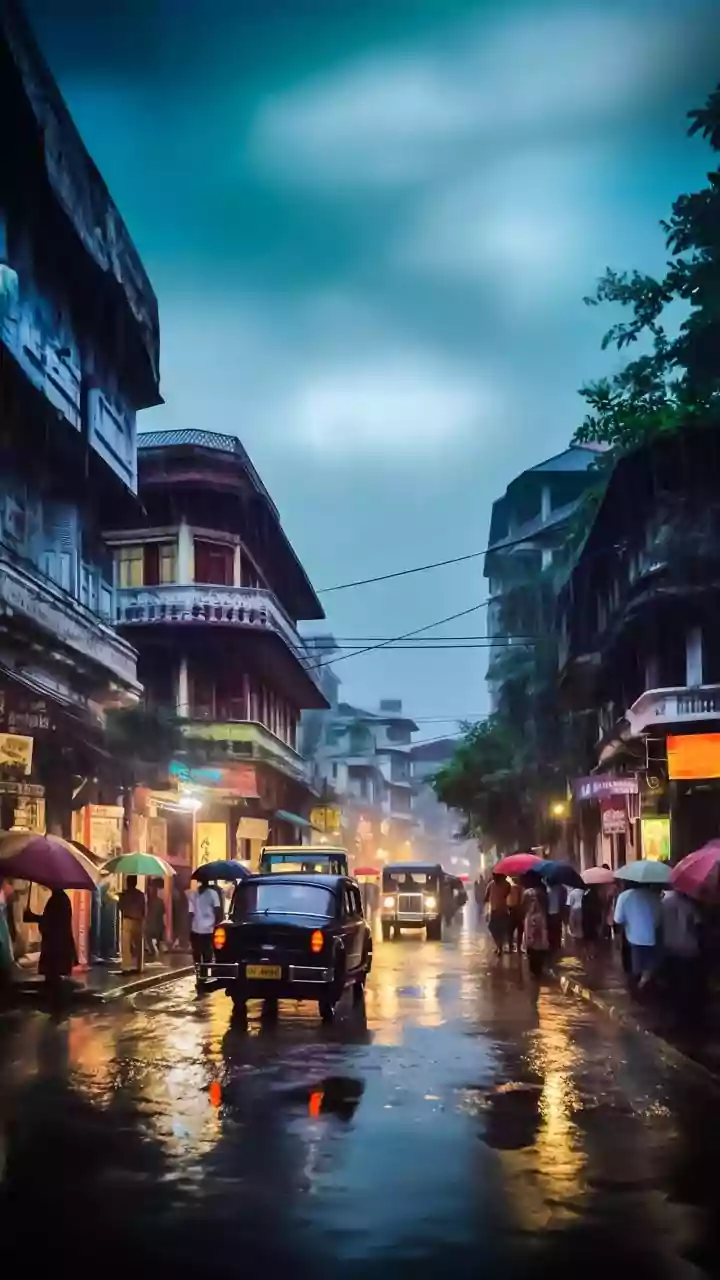
So what does this actually look like? It could be exploring a single neighborhood in the nearest big city, treating it as its own destination. Spend three days wandering its side streets, eating only at its family-owned restaurants, and sitting in its parks. It might be booking a farm stay an hour away, where the day’s main activity is helping to feed the chickens or walking through the fields. Or it could be as simple as visiting a nearby state park and committing to hiking every single trail it has to offer over a long weekend. The key is immersion. Instead of skimming the surface of a dozen places, you are plumbing the depths of one. You’ll be shocked at the richness you can find in places you’ve previously overlooked, simply because they were too close to feel ‘special’.