



The Perfect Weather Window
Ladakh, a high-altitude desert, experiences extreme weather. Winters are brutally cold, cutting the region off from the world. Spring is a slow, unpredictable thaw. By June, however, the climate enters a sweet spot. The harsh winter has fully receded,
but the monsoon rains that can disrupt travel in other parts of India during July and August have yet to arrive. You can expect brilliantly sunny days with clear, cobalt-blue skies, and daytime temperatures in the main town of Leh hovering comfortably in the 60s and 70s Fahrenheit. Nights are crisp and cool, perfect for stargazing in the unpolluted air. This Goldilocks climate—not too cold, not yet rainy—allows for comfortable exploration of monasteries, markets, and the vast, open landscapes without the threat of snow-blocked roads or washed-out trails.
The Great Thaw: Roads Are Open
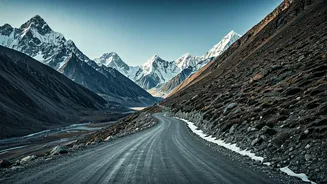
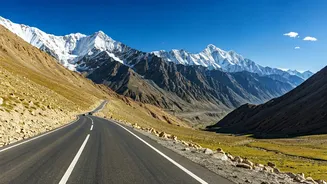
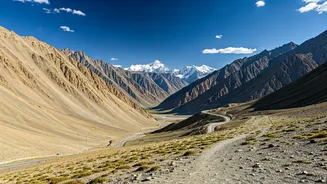
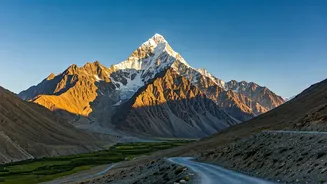
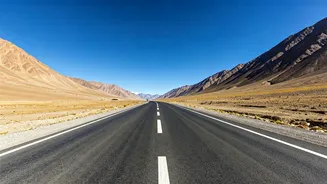
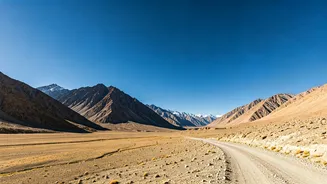
For many, the journey to Ladakh is as much a part of the adventure as the destination itself. The region is connected to the rest of India by two legendary high-altitude highways: the Srinagar-Leh highway and the Manali-Leh highway. Both routes traverse some of the world's highest and most dramatic mountain passes, like Zoji La and Rohtang Pass. These roads are buried under deep snow for more than half the year, typically reopening in late May or early June. Arriving in June means you're among the first travelers of the season to make these epic road trips. The mountain scenery is at its most spectacular, with towering walls of snow carved out by road crews lining the highway, contrasted against the emerging green of the valleys below. Flying into Leh is always an option, but driving in June offers an unforgettable experience that’s simply not possible for most of the year.
Landscapes in Full Splendor
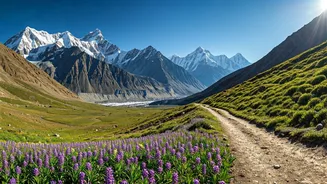
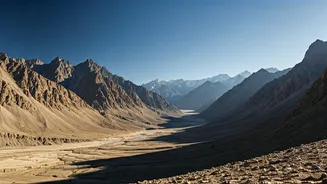
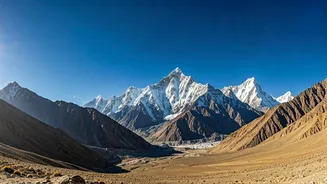
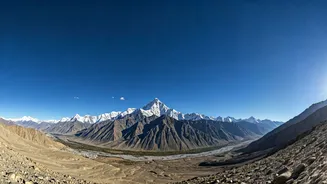
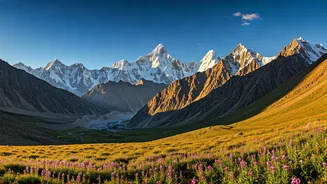
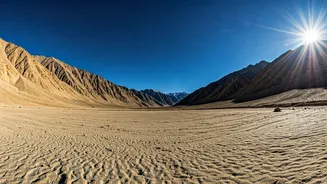
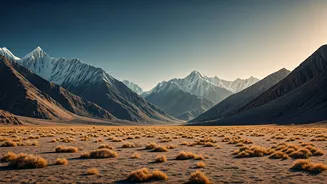
June is a time of incredible visual contrast. The peaks of the Zanskar and Karakoram ranges are still generously draped in their winter snow, providing a stunning white backdrop to almost every view. Down in the valleys, however, the landscape is bursting with life. The Indus and Zanskar rivers flow with powerful, turquoise water from the glacial melt. In places like the Nubra Valley, known for its sand dunes and double-humped Bactrian camels, the first signs of summer are visible. Patches of green from barley fields and groves of apricot and poplar trees create a vibrant splash of color against the barren, mineral-rich mountains. Popular destinations like Pangong Lake and Tso Moriri are fully accessible and reflect the deep blue of the sky with unparalleled clarity before the late-summer dust and haze sets in.
Vibrant Culture and Festivals
With the weather improving and the passes open, Ladakh’s cultural life awakens. June often coincides with some of the region’s most important monastic festivals. The most famous of these is the Hemis Festival, held at the historic Hemis Monastery. Though the exact dates are determined by the Tibetan lunar calendar and can sometimes fall in July, it frequently occurs in late June. This two-day spectacle features masked dances (chaam), ancient rituals, and a vibrant fair that draws locals from across the region. It’s a profound display of Tibetan Buddhist culture. Even if your visit doesn't align perfectly with a major festival, June is a time of palpable energy. Monasteries are fully operational, and local communities are busy planting their fields, offering a glimpse into the unique and resilient Ladakhi way of life.
Beat the Peak Season Rush
While June is certainly not a secret, it exists in a perfect shoulder period before the main tourist surge. The peak season for Ladakh is July and August, when summer holidays across India and Europe are in full swing. By visiting in June, you get all the benefits of prime-season weather and access but with relatively fewer crowds at popular monasteries, cafes in Leh, and viewpoints like the Khardung La pass. Accommodations are easier to find, and there’s a slightly more relaxed feel to the main tourist hubs. You’ll share the road with other adventurers, but you’ll miss the largest convoys of tour buses and the peak-season congestion that can define the experience later in the summer.