






Light's Hidden Influence on You
We often think of lighting as purely functional—it lets us see in the dark. But it’s much more than that. For millennia, the human body has been synced to the 24-hour cycle of the sun. This internal clock, known as our circadian rhythm, governs everything
from our sleep-wake cycles to our mood and energy levels. It takes its cues directly from light. When our indoor lighting is static and harsh, it can disrupt this natural rhythm. A single, unchanging overhead light that’s too dim in the morning and too bright at night sends confusing signals to our brains, leaving us feeling groggy, unfocused, or wired at the wrong times. The concept of a "daily reset" through lighting is about intentionally using different types of light throughout the day to support, rather than fight, your body's innate clock.
Morning: A Sunrise Indoors
The goal for your morning is to gently but effectively tell your body and brain that it’s time to be alert and productive. The best way to do this is with bright, cool-toned light that mimics the quality of the morning sun. Think of a crisp, clear day. Scientifically, this light is higher on the Kelvin (K) temperature scale, typically in the 4000K to 6500K range, appearing as a clean white or bluish-white. You don’t need to blast your home with stadium lighting. Instead, focus on key areas like the kitchen and bathroom, where you start your day. Layering is key. Use bright overhead fixtures for general illumination, and add task lighting, like under-cabinet strips in the kitchen or lights around your bathroom mirror. This type of light can help suppress melatonin (the sleep hormone), increase alertness, and improve your mood, setting a positive tone for the entire day.
Afternoon: Maintain and Focus
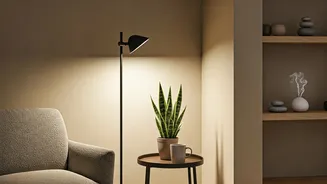
During the afternoon, the goal is to maintain the alertness you established in the morning without causing eye strain or overstimulation. Your lighting should be supportive, especially if you work from home. Natural light is always the best option, so position desks or reading chairs near windows if possible. For artificial light, continue with a neutral to cool-toned light (around 4000K) to promote concentration. A common mistake is working under dim, warm light, which can inadvertently signal your brain to wind down, leading to that dreaded afternoon slump. A well-placed, adjustable desk lamp can provide focused light for tasks, preventing the eye fatigue that comes from staring at a bright screen in a dimly lit room.
Evening: The Crucial Wind-Down
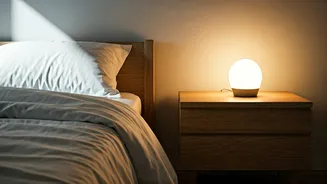
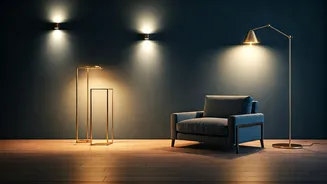
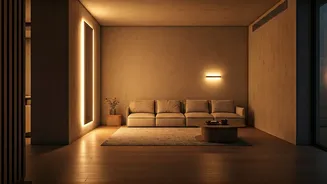
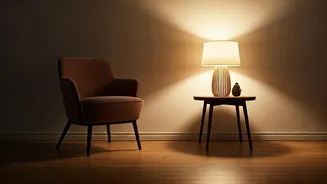
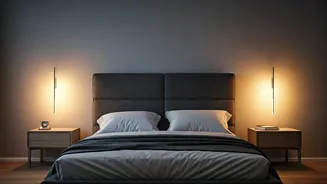
This is where the magic of the “daily reset” really happens. As the sun sets outside, your indoor lighting should follow its lead. The two to three hours before bed are crucial for signaling your body to produce melatonin and prepare for sleep. This means shifting away from bright, blue-toned overhead lights and embracing warm, dim, and indirect sources of illumination. Think of the cozy glow of a campfire or candlelight. Look for bulbs in the 2200K to 3000K range, which produce a soft, yellowish or amber hue. Turn off harsh overhead fixtures and switch to table lamps, floor lamps, and sconces. Using dimmers is one of the most effective ways to lower the intensity and create a relaxing atmosphere. This simple shift tells your brain the day is over, helping you unwind, detach from stress, and get ready for a more restful night’s sleep.
How to Make the Change
Implementing a lighting reset doesn't have to be expensive or complicated. You can start small by simply swapping out bulbs. Check the packaging for the Kelvin (K) rating—buy higher K-rated bulbs for your morning/work areas and lower K-rated bulbs for your evening lamps. The next step up is installing dimmer switches, which give you powerful control over intensity. For those ready to invest more, "tunable white" smart bulbs are a game-changer. These bulbs allow you to change both the brightness and the color temperature via an app or smart home assistant. You can even program them to automatically shift from cool to warm throughout the day, creating a seamless, automated lighting schedule that perfectly syncs your home with your body's needs.