

More Than Just a Food Bowl
If you picture a pet store as a simple shop with bags of dry food and a few squeaky toys, you need to update your image—at least in urban India. A new breed of pet store is emerging, looking less like a feed supplier and more like a Whole Foods-Goop hybrid
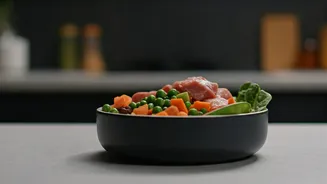
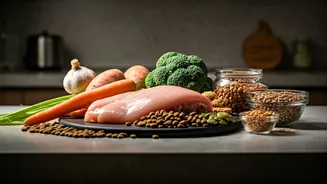
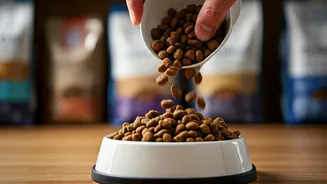
for the four-legged. The term 'wellness-led' isn't just marketing fluff; it represents a fundamental change in how pets are viewed and cared for. We're talking about curated aisles of grain-free food, supplements for joint health and glossy coats, and refrigerated sections with fresh, human-grade meals. Beyond products, these new retail experiences often incorporate services under one roof. Think professional grooming salons that offer aromatherapy baths, 'pawdicures,' and de-shedding treatments. Some locations even have in-house veterinary clinics, behavioral trainers, and doggy daycare facilities with live camera feeds for anxious pet parents to check in during their workday.
The 'Pet Humanization' Engine
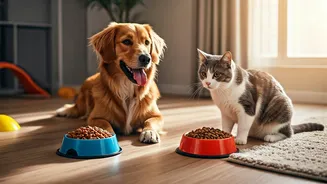
So, what’s driving this multi-billion dollar glow-up? The answer lies in a powerful social trend known as 'pet humanization.' Across India's rapidly growing middle and upper-middle classes, pets are no longer just guard animals or backyard dwellers. They are increasingly seen as integral family members, often referred to as 'fur babies' or 'children who don't talk back.' This shift is fueled by several converging factors. Urbanization has led to smaller, often nuclear families living in apartments, where a pet provides companionship. Rising disposable incomes mean there's more money to spend on non-essential, premium goods. Furthermore, a post-pandemic surge in pet adoption, driven by a need for companionship during lockdowns, accelerated this trend. When you view your dog or cat as a child, you don't just feed it; you nurture it. You worry about its diet, its mental stimulation, and its long-term health, creating a perfect market for wellness products and services that promise a longer, happier life for a beloved family member.
From Corner Shops to D2C Darlings
For decades, the Indian pet care market was highly fragmented and unorganized, dominated by local 'kirana' stores and veterinarians who stocked a limited range of basic products. The wellness boom is changing the entire business landscape. The charge is being led by a wave of sophisticated, venture-backed companies. Chains like Heads Up For Tails, often called the 'Petco of India,' have established a nationwide footprint of sleek, experience-driven stores. At the same time, a vibrant ecosystem of direct-to-consumer (D2C) brands has exploded online, using social media to connect directly with millennial and Gen Z pet parents. These digital-native brands offer everything from subscription boxes of curated treats to bespoke diet plans based on a pet’s breed, age, and health conditions. They built their brands on transparency, quality ingredients, and a deep understanding of the 'pet parent' identity, bypassing the old distribution networks entirely and creating a new standard for the industry.
A Trend with an Indian Twist
While the pet wellness movement has clear parallels to trends in the U.S. and Europe, it’s not a simple copy-paste job. The Indian market is developing its own unique flavor. One of the most interesting adaptations is the integration of traditional Indian concepts into modern pet care. For example, several brands are launching pet supplements and grooming products featuring Ayurvedic herbs known for their healing properties, such as ashwagandha for anxiety and turmeric for inflammation. This resonates deeply with a consumer base familiar with and trustful of Ayurveda for human wellness. Similarly, with a large vegetarian population, there's a growing niche for high-quality vegetarian dog food and treats. This localization shows that the industry isn't just importing Western ideas but is creatively adapting them to fit the cultural context, creating a uniquely Indian version of the global pet wellness phenomenon.