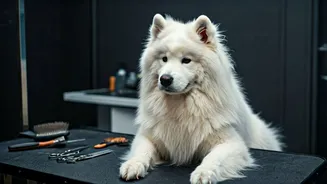








The Unprecedented Wave
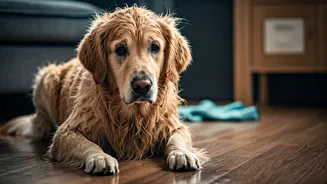
Cast your mind back to 2020. Stuck at home, millions of Americans decided it was the perfect time to get a dog. Shelters were emptied, breeder waitlists grew, and the “pandemic puppy” became a cultural phenomenon. While this brought untold joy to many
households, it also created a secondary boom—a massive, sustained demand for services. At the top of that list was grooming.Suddenly, every groomer in the country was inundated. What was once a steady business became a frantic one. New dog owners, many unfamiliar with the needs of a Goldendoodle’s coat or a Pomeranian’s undercoat, were desperate for professional help. Salons that once had next-week availability were suddenly booking two or three months in advance. For the groomers themselves, it was a dizzying, profitable, and utterly exhausting wave. They were essential workers in the eyes of anyone with a matted dog, and the industry swelled with the promise of endless demand.
When the Bills Came Due
The boom couldn't last forever, but no one expected the reversal to be so swift and severe. The “monsoon” isn’t a lack of dogs; it’s a perfect storm of economic pressures crashing down on these small businesses. First, inflation hit the supply closet. The cost of everything—from high-quality shampoos and conditioners to clippers, blades, and even rent for commercial spaces—skyrocketed. A bottle of specialized de-shedding shampoo that cost $30 last year might be $45 today. These aren't costs a small salon can easily absorb.To survive, groomers have been forced to raise their prices. A standard groom that was $75 two years ago might now be pushing $100 or more, depending on the dog's size and coat condition. This isn't price gouging; for many, it’s the bare minimum required to keep the lights on and pay their staff a living wage. But it has put them in a difficult position, caught between their own rising costs and their clients’ tightening budgets.
More Than Just a Haircut
The economic pressure is compounded by a human one: burnout. Dog grooming is a physically demanding, emotionally taxing job. It involves hours of standing, lifting heavy dogs, and managing anxious or sometimes aggressive animals. The risk of being bitten or scratched is a daily reality. During the boom, many groomers worked themselves to the bone, taking on extra clients to meet the demand.Now, they are paying the price. The relentless pace, combined with the stress of difficult dogs and, at times, more demanding clients, has led to a quiet exodus from the industry. Many of the new pandemic pet owners, while well-intentioned, lacked knowledge about routine coat maintenance, leading to severely matted dogs that require hours of patient, painful, and often thankless work to fix. Groomers aren't just stylists; they are often the first line of defense in spotting skin conditions, lumps, or ear infections. This added responsibility, piled on top of the physical and financial strain, is proving to be too much for many.
A Squeeze on Both Ends
This brings us to the reality check for dog owners. As the price of groceries, gas, and housing climbs, household budgets are being squeezed from all sides. For many, a professional grooming session is moving from the “necessity” column to the “luxury” one. Owners are trying to stretch the time between appointments, going from every six weeks to every ten or twelve. Some are attempting DIY grooming at home, with often disastrous (and ultimately more expensive to fix) results.This creates a vicious cycle. Longer waits mean dogs arrive in worse condition, requiring more time and effort from the groomer, which justifies a higher price—a price the owner is increasingly hesitant to pay. It’s a moment of friction in what is supposed to be a partnership in caring for a beloved pet. Neither the owner nor the groomer is the villain; both are simply caught in the same economic vise.