

The Land of Record-Breaking Rain
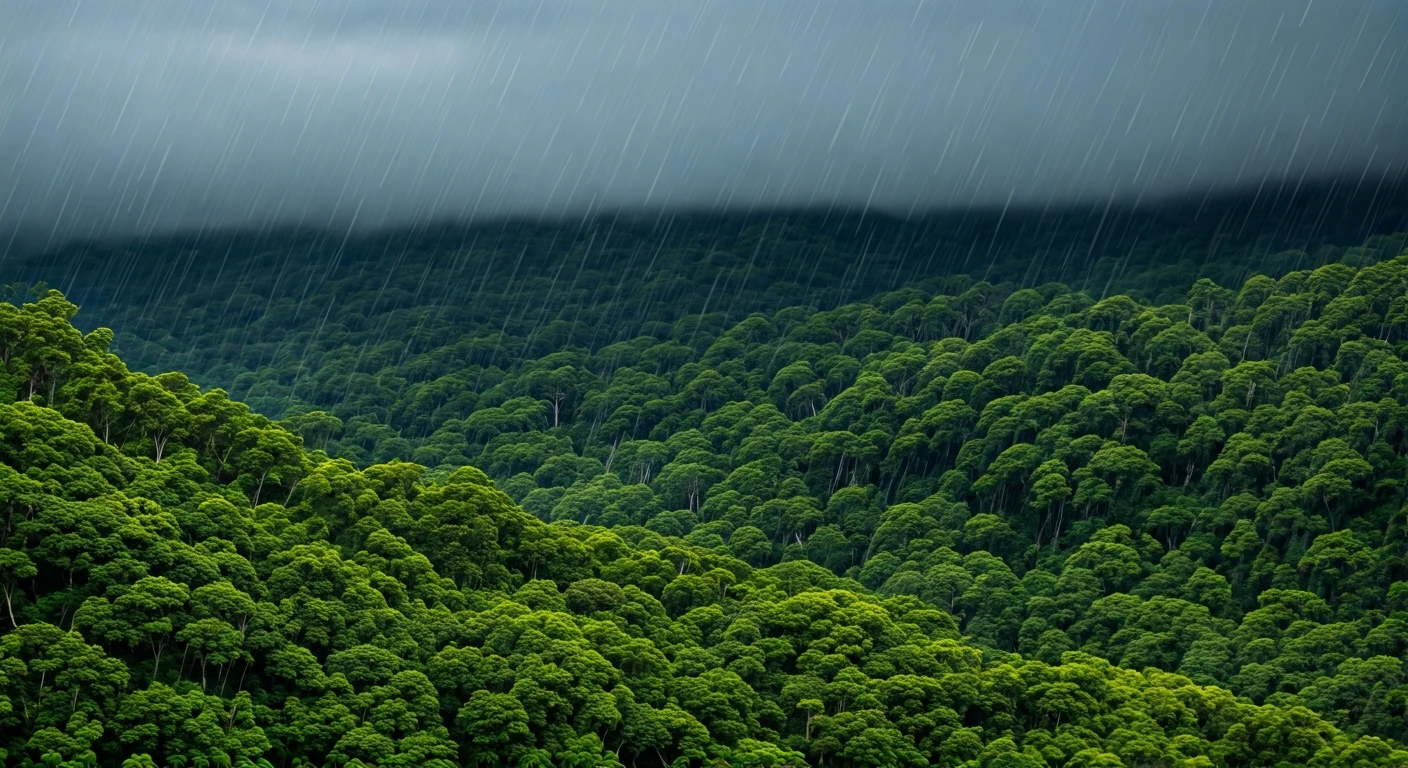
To understand Meghalaya’s appeal, you first have to understand its weather. This isn't just a place that gets a little rain; it’s one of the wettest places on Earth. The towns of Mawsynram and Cherrapunji compete for the title of the rainiest spot on the planet,
receiving over 450 inches of rain annually—that's nearly 38 feet. For comparison, famously rainy Seattle gets about 38 inches a year. This relentless monsoon downpour from June to September is the engine that powers Meghalaya's main attraction: a staggering number of thunderous, breathtaking waterfalls that come alive during these months. For those who chase the raw power of nature, this supercharged hydrological cycle makes the region a non-negotiable pilgrimage.
Home to India's Tallest Plunge
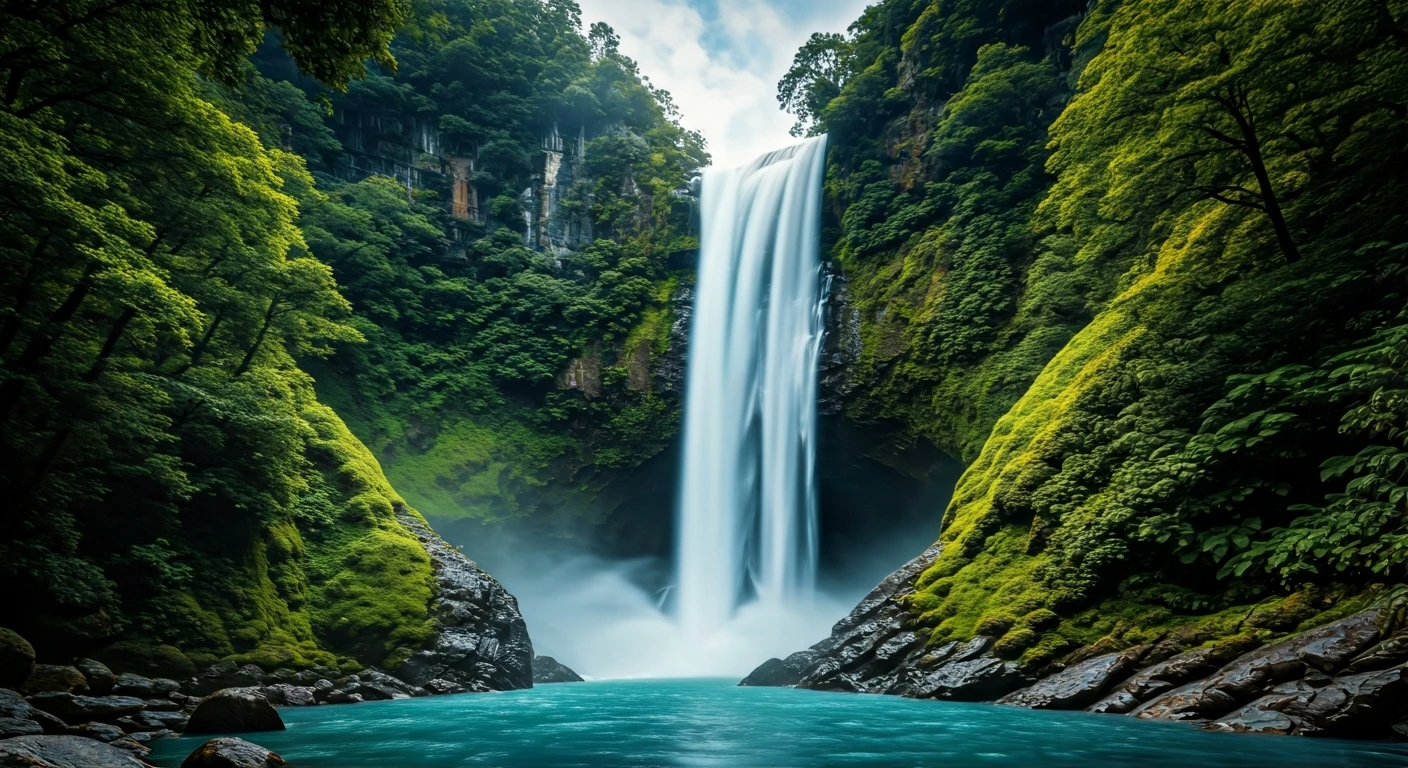
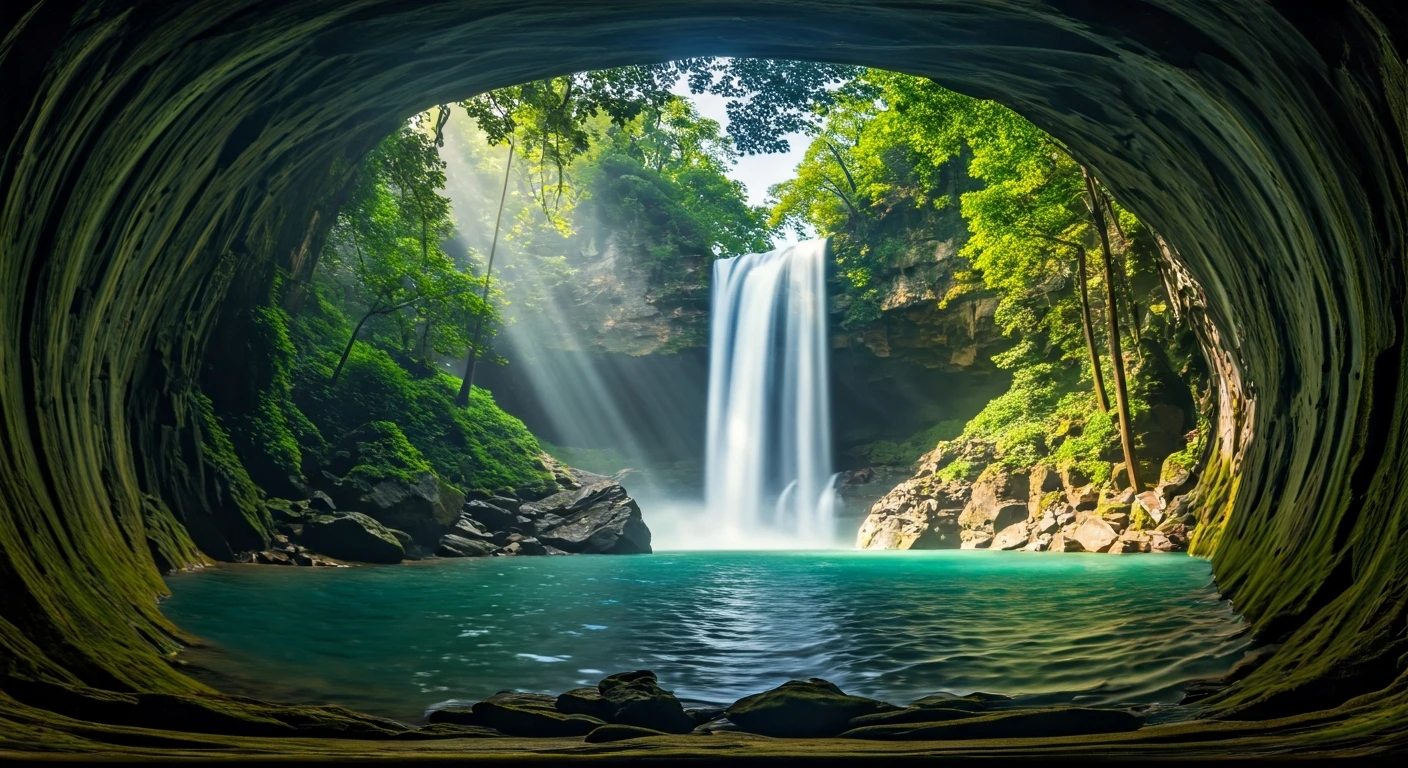
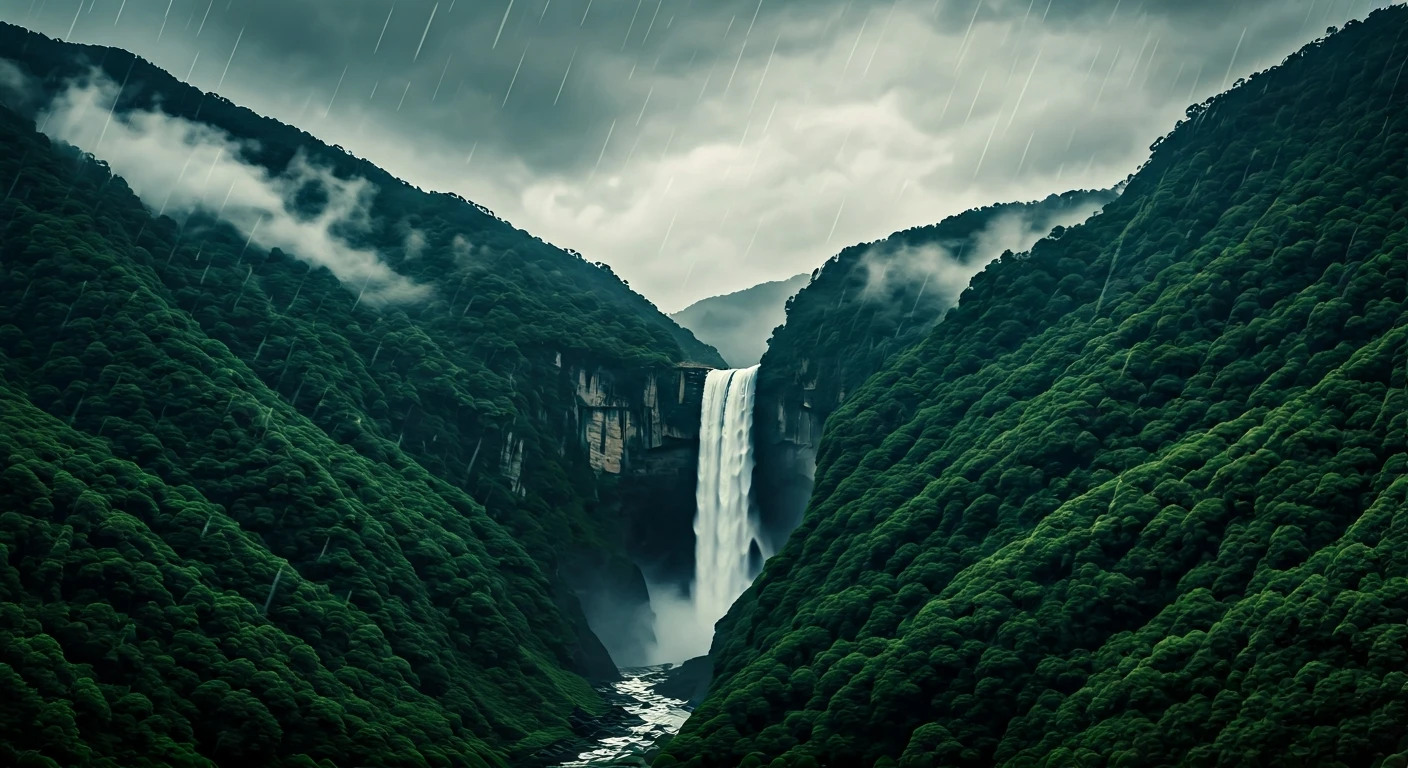
Among the state's crown jewels is Nohkalikai Falls, the tallest plunge waterfall in India. Cascading from a height of 1,115 feet, it’s a sight of both awe-inspiring beauty and somber legend. The name, which translates to "Jump of Ka Likai," refers to a grim local folktale of a mother who leapt from the cliff in despair. The waterfall is fed by rainwater collected on the plateau above, so its power fluctuates dramatically with the seasons. During the monsoon, it's a roaring, formidable torrent. In the drier months, it slims to a more delicate ribbon of water, but the turquoise pool it carves at its base remains a permanent, mesmerizing feature. It represents the sheer scale and drama that waterfall chasers crave.
The Seven Sisters Spectacle
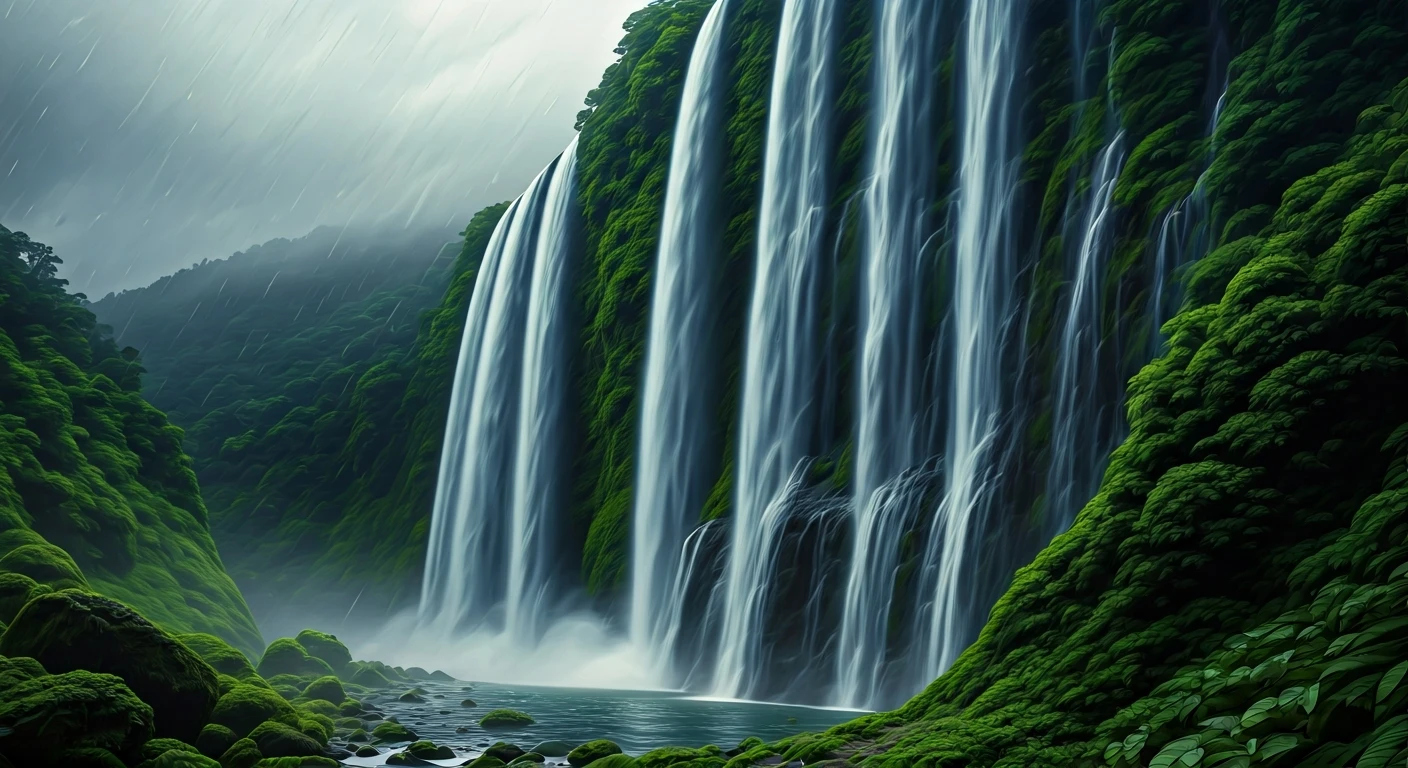
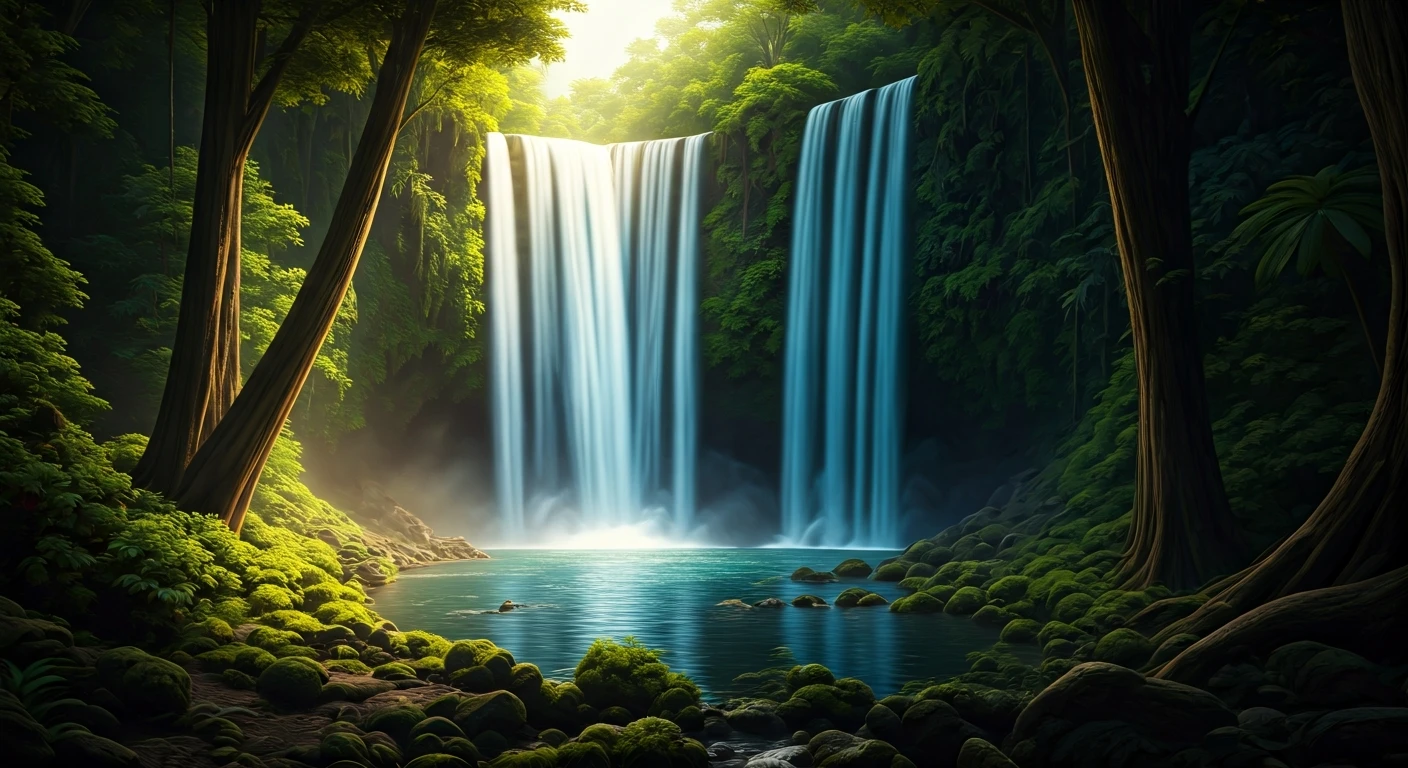
If one giant waterfall isn't enough, how about seven side-by-side? That’s the promise of Nohsngithiang Falls, more famously known as the Seven Sisters Falls. During the peak of the monsoon, seven distinct streams of water plunge over the limestone cliffs of the Khasi Hills, creating a majestic, panoramic curtain of water that spans over 2,000 feet wide. It’s a dynamic and ever-changing spectacle. The best views are often in the late afternoon, when the setting sun illuminates the cascades, creating a display of light and mist that feels almost supernatural. It’s one of the most photographed and iconic sights in the state, embodying the 'more is more' philosophy of this water-logged paradise.
More Than Water: The Living Root Bridges
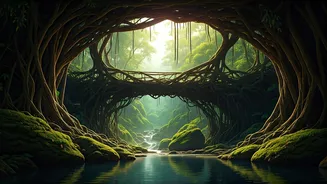
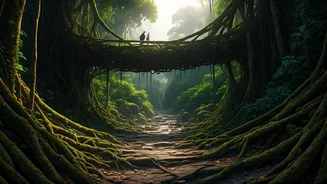
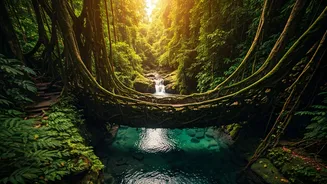
The same natural forces that create the waterfalls have also fostered one of the world's most incredible examples of bio-engineering: the living root bridges. For centuries, the indigenous Khasi and Jaintia peoples have guided the aerial roots of rubber fig trees across rivers and ravines, weaving them together until they form sturdy, living bridges. These structures are the perfect adaptation to Meghalaya’s climate; a wooden or steel bridge would quickly rot and rust away in the intense humidity and rain. The root bridges, however, grow stronger over time. The most famous, the 'Double Decker' living root bridge in Nongriat, is a multi-level marvel that draws hikers from around the world. It’s a powerful reminder that in Meghalaya, water doesn’t just carve the landscape—it shapes culture and ingenuity.
An Adventure for Every Skill Level
While the headline attractions are epic, Meghalaya offers a full spectrum of waterfall experiences. Beyond the famous names, hundreds of smaller, less-trafficked cascades are hidden throughout the state, accessible via jungle treks and scenic drives. Some, like Elephant Falls near the capital city of Shillong, are easily accessible with paved walkways, making them perfect for a casual visit. Others, like the remote Rainbow Falls, require a challenging multi-hour trek but reward the determined with a pristine swimming hole where rainbows regularly form in the mist. This variety means that both hardcore trekkers and more casual sightseers can find their perfect adventure, making it a surprisingly accessible destination for anyone captivated by the allure of falling water.