


The Pull of the Past
It often starts with a craving. A longing for the exact dal that simmered on a grandparent’s stove or the specific aroma of spices that signaled a weekend feast. For many Indian Americans, particularly second-generation immigrants who grew up in the U.S.,
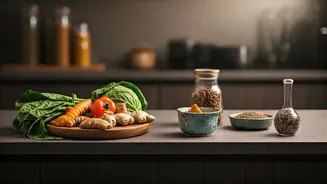
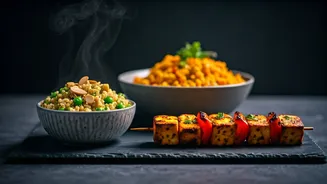
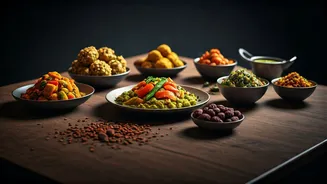
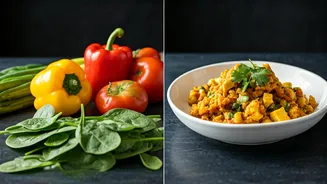
food is one of the most powerful tethers to their heritage. These are not just recipes; they are edible memories, carriers of family history and identity. This pull toward nostalgic cooking is a way of staying connected to a culture that might otherwise feel distant. In a world of fusion tacos and deconstructed everything, there's a profound comfort in mastering a classic dish like rajma chawal (kidney bean curry with rice) or aloo gobi (spiced potatoes and cauliflower). It’s an act of preservation, a way of saying, “This is where I come from.” But unlike their parents or grandparents, who may have replicated these recipes exactly as they were taught, today's home cooks are approaching these culinary heirlooms with a fresh perspective.
Redefining the 'Balance' in a Meal
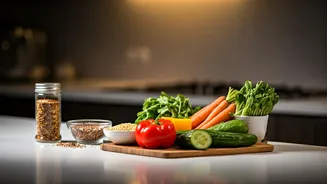
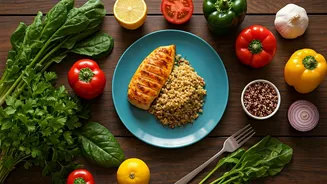
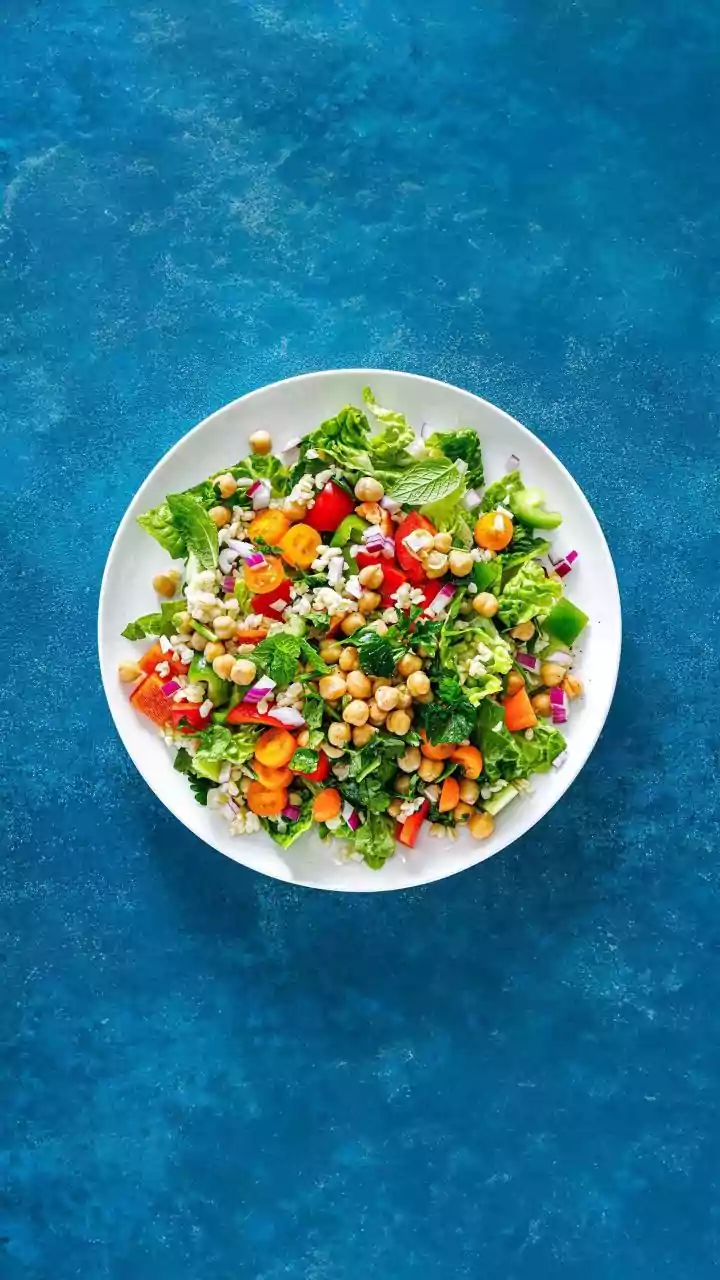
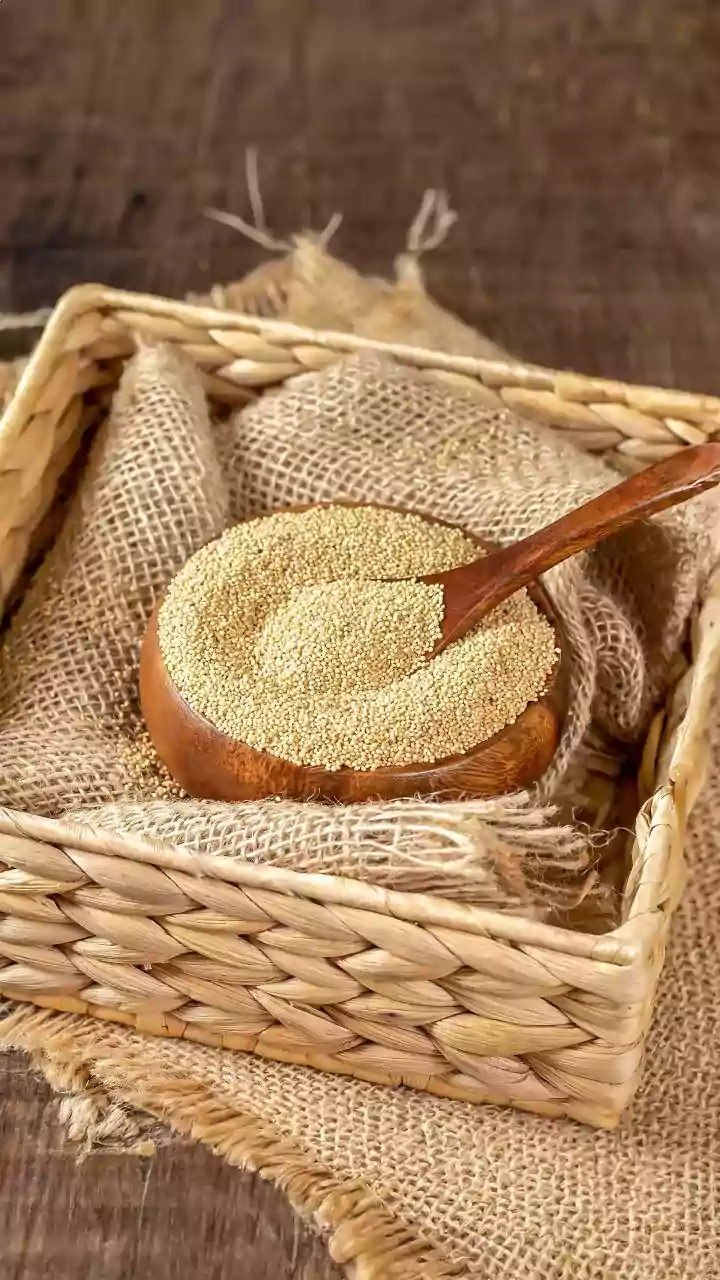
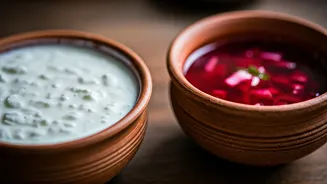
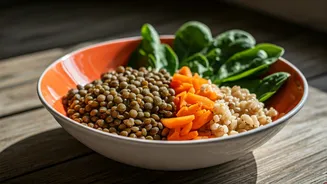
The “better balance” in modern Indian home cooking is a two-pronged approach. The first, and most visible, is nutritional. Traditional preparations, designed for different lifestyles and climates, can be heavy on ghee (clarified butter), oil, cream, and sugar. While delicious for a celebration, they don't always align with contemporary wellness goals or a more sedentary American office job. Today’s cooks are making thoughtful swaps. They’re dialing back the ghee in favor of avocado oil, substituting yogurt for heavy cream in marinades, and replacing white rice with quinoa or brown rice. Desserts like kheer (rice pudding) or gajar ka halwa (carrot pudding) are being reimagined with less sugar, or with natural sweeteners like dates or maple syrup. It's not about sacrificing richness, but achieving it through smarter techniques—like deeply browning onions to build a flavor base without excess fat—that honor both health and heritage.
The Instant Pot and the Weeknight Curry
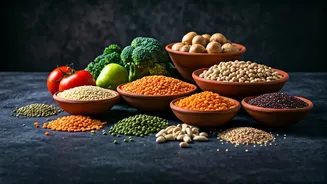
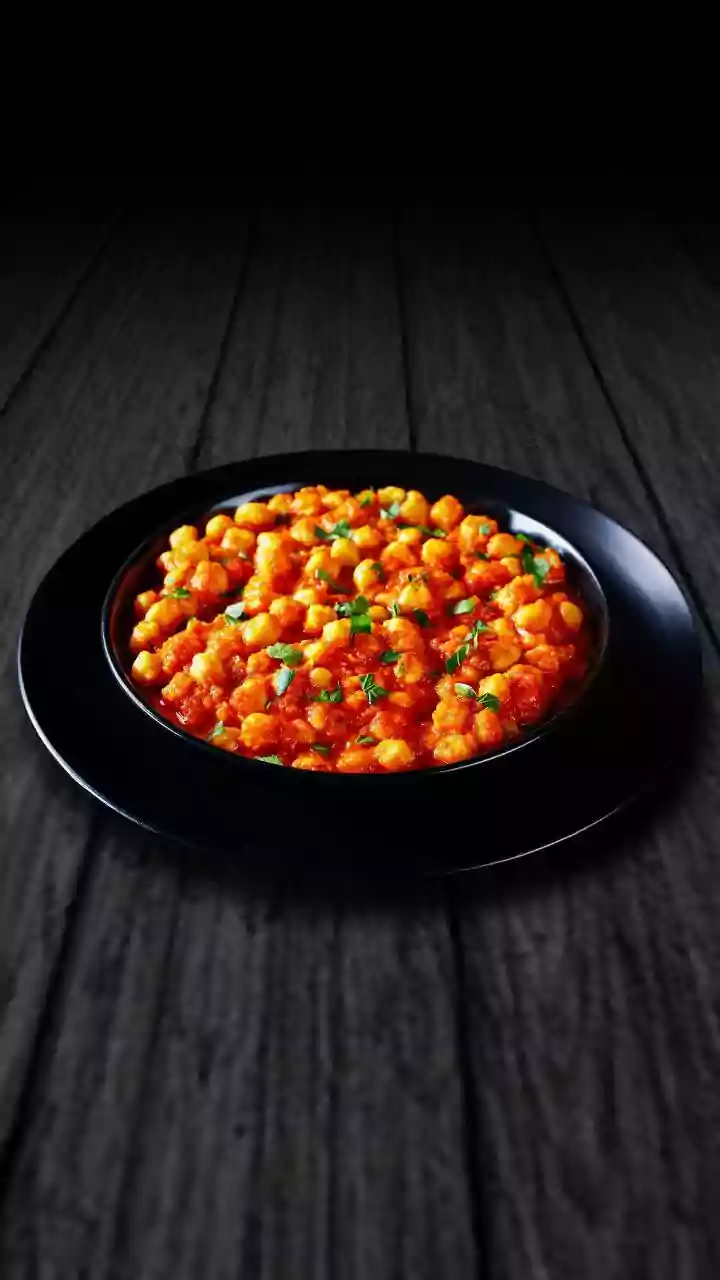
The second part of the balance equation is time. The slow, multi-step processes of classic Indian cooking, while meditative, are a luxury few can afford on a busy Tuesday night. This is where modern appliances have become game-changers. The Instant Pot, in particular, has become a non-negotiable tool in many Indian-American kitchens. It has dramatically cut down the cooking time for lentils, beans, and tough cuts of meat that once required hours of simmering or diligent pressure-cooker monitoring. Recipes that were once reserved for weekends can now be part of the weekly rotation. A complex chickpea curry that might have taken an hour and a half on the stovetop can be ready in 30 minutes. This convenience isn't about cutting corners on flavor; it’s about making ancestral food accessible. By adapting timeless recipes to modern tools, home cooks ensure that these dishes remain a living, breathing part of their daily lives, not just relics of a bygone era.
A Conversation Between Generations
This culinary evolution is often a dialogue between generations. It might be a phone call to a parent to clarify a spice measurement, followed by a personal tweak to the method. While older generations may have relied on 'andaaz'—an intuitive sense of measurement—their children often seek to codify these recipes, writing them down and sharing them on blogs and social media. This act of documenting, and adapting, is creating a new canon of Indian-American cuisine. Sometimes, this creates gentle friction. A mother might be skeptical of a dal made with a fraction of the usual ghee, only to be won over by its clean, vibrant taste. These moments represent more than just a change in a recipe. They reflect a larger story of immigrant identity: one that respects the past while confidently forging its own path in a new context. The goal isn't to replace the old way, but to create a new branch on the family's culinary tree, one that is sturdy enough to thrive in American soil.