




The Death of the Generic Getaway
For decades, the long weekend followed a familiar script: drive a few hours, check into a decent-enough hotel, see the local sights, and return home feeling only marginally more rested. But a cultural shift, accelerated by post-pandemic work flexibility
and a collective case of burnout, is rewriting the rules. We have less time, but a greater desire for meaning. Enter the “micro-trip” or “maxi-weekend”—a short, 48-to-72-hour holiday defined by intense focus and personal passion. Instead of trying to do everything, the new approach is to do one thing, deeply. It's a rejection of the vacation-as-checklist in favor of the vacation-as-story. This isn't about escaping your life; it's about enriching it, one concentrated weekend at a time.
The Hobby Immersion Trip
One of the clearest expressions of this trend is the rise of hobby-centric travel. Rather than leaving your passions at home, you build the entire trip around them. Think of it as a “hobby-moon.” This could be a three-day trip to Asheville, North Carolina, not just for the mountain air, but for an intensive pottery-throwing workshop. Or flying to a specific part of Texas for a weekend dedicated to mastering the art of brisket at a BBQ camp. It might even be a trip to a quiet corner of Vermont for the sole purpose of astrophotography during a meteor shower. These trips provide a sense of accomplishment and skill-building that a generic beach trip rarely offers. You come back not just with souvenirs, but with a new skill or a deeper connection to a lifelong interest.
The “Main Character” City Break
This isn't your standard city tour. Inspired by social media aesthetics and our love of storytelling, the “main character” weekend involves picking a theme and living it out. It’s about curating an experience that feels like it’s straight out of a movie. For example, a traveler might book a weekend in Savannah, Georgia, with the express purpose of having their “Midnight in the Garden of Good and Evil” moment—all gothic architecture, mysterious cocktails, and long walks through Spanish moss-draped squares. Someone else might plan a trip to Boston to live out a Kennedyesque fantasy of sailing, seafood, and historical tours. It's a form of playful escapism that’s less about seeing tourist sites and more about inhabiting a vibe, creating memories that feel both personal and cinematic.
The Micro-Dose Wellness Retreat
The week-long, five-figure wellness retreat is out of reach for most. The micro-dose version, however, is booming. These are hyper-focused, 48-hour resets designed to deliver a specific outcome. You’re not just going to a spa; you're booking a weekend at a facility in the Hudson Valley that specializes in guided forest bathing and digital detoxes. You’re not just “getting healthy”; you’re heading to a desert retreat near Scottsdale for two days of intensive breathwork and sound baths. These trips cut out the fluff. There's no pressure to socialize or explore. The entire schedule, from the food to the activities, is engineered to help you achieve a singular goal, whether it’s de-stressing from a brutal quarter at work or kick-starting a new fitness regimen. It’s maximum impact in minimum time.
The Culinary Pilgrimage
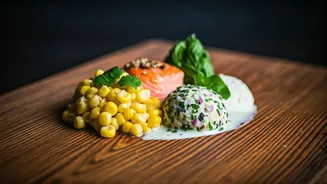
Food has always been a part of travel, but this trend takes it to a new level. The culinary pilgrimage is a trip where food isn’t just part of the itinerary—it *is* the itinerary. This goes beyond just getting a reservation at a famous restaurant. It’s about traveling to a specific region to experience a food at its source. Think of a weekend trip to coastal Maine solely to eat lobster rolls from five different shacks, judging the merits of a buttered vs. mayo-based roll. Or a trip to New Orleans’ Lower Ninth Ward to taste authentic neighborhood po'boys, far from the tourist crowds of the French Quarter. These journeys are driven by a connoisseur’s curiosity and a fan’s devotion, turning a simple meal into the climax of a grand, delicious adventure.