



The End of Tripping Over Bowls
One of the most common and effective entry points into pet-integrated design is the built-in feeding station. Instead of having food and water bowls sliding around the kitchen floor, designers are incorporating them directly into cabinetry. A popular
approach is to build a low-profile drawer into a kitchen island or a mudroom cabinet that pulls out for mealtime and slides away when not in use. This not only keeps walkways clear and reduces spills but also elevates the act of feeding your pet from a chore to a seamless part of your home's routine. It's a small change that signals a big shift in thinking: pet care doesn't have to be an afterthought that clutters your space.
Rethinking the Litter Box
For cat owners, the litter box is often the single greatest design challenge. Pet-integrated design tackles this head-on by creating dedicated, hidden, and well-ventilated solutions. This can range from a custom cabinet in a laundry room with a discreet cat-sized entrance to a hollowed-out bench in an entryway. More advanced designs incorporate quiet ventilation fans that vent directly outside, eliminating odor issues entirely. The goal is to give your cat a private, clean space while completely removing the unsightly plastic box from your living area. It's a win for human aesthetics and a win for feline comfort.
Creating the Canine Mudroom
Dogs, especially in wetter climates, bring the outdoors in. The solution is an enhanced mudroom or entryway specifically designed for them. These spaces often feature durable, waterproof flooring like tile or sealed concrete and a dedicated dog-washing station. These aren't just utility sinks; they are often tiled, walk-in showers at a comfortable height, complete with a handheld sprayer. This makes cleaning muddy paws a quick, easy task rather than a full-blown bathroom disaster. Hooks for leashes, built-in storage for towels, and a comfortable spot for your dog to dry off complete the space, making the transition from a wet walk to a clean house effortless.
Cozy Nooks Instead of Bulky Beds
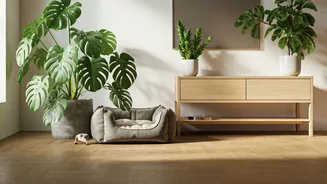
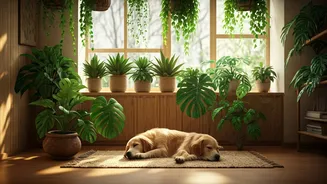
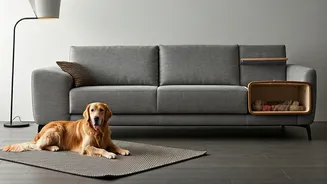
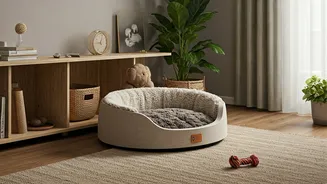
A large dog bed can take up a surprising amount of floor space. Thoughtful design reclaims that territory by building cozy dens directly into the home's structure. This might look like an alcove under a staircase, a nook built into the side of a fireplace hearth, or a space carved out beneath a built-in window seat. These integrated beds provide your pet with the secure, den-like environment they instinctively crave while maintaining clean lines and an open feel in your room. It transforms a bulky accessory into a charming architectural feature that adds character to the space.
Going Vertical for Feline Friends
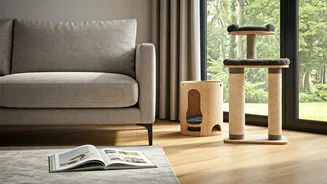
Cats love to climb, perch, and survey their territory from above. Instead of a wobbly, carpet-covered cat tree, architects and designers are creating 'cat highways' or 'superhighways.' These are a series of integrated shelves, ledges, and bridges mounted securely to the walls, allowing cats to travel around a room without ever touching the floor. When designed well, these pathways can look like modern art installations, adding visual interest while providing crucial environmental enrichment for indoor cats. Connecting these paths to a 'catio'—a secure outdoor enclosure—gives them safe access to fresh air and stimulation.
Choosing Materials That Last
The foundation of a truly pet-integrated home is the choice of materials. This goes beyond just what's easy to clean. It's about selecting surfaces that are durable, non-toxic, and comfortable for paws. Think performance fabrics (like Crypton or Sunbrella) for upholstery that resist stains, moisture, and claws. For flooring, options like luxury vinyl plank, sealed concrete, or durable hardwood with a scratch-resistant finish are popular choices. Even paint matters, with designers opting for scrubbable, low-VOC finishes. Making smart material choices from the beginning means less time worrying about wear and tear and more time enjoying your beautiful, shared home.