




More Than Just a Free Sample
Forget the sad little table of cheese cubes at the supermarket. The new wave of brand-led experiences is a full-blown affair. We’re talking about permanent, beautifully designed spaces where the transaction is secondary to the vibe. Think of the Capital
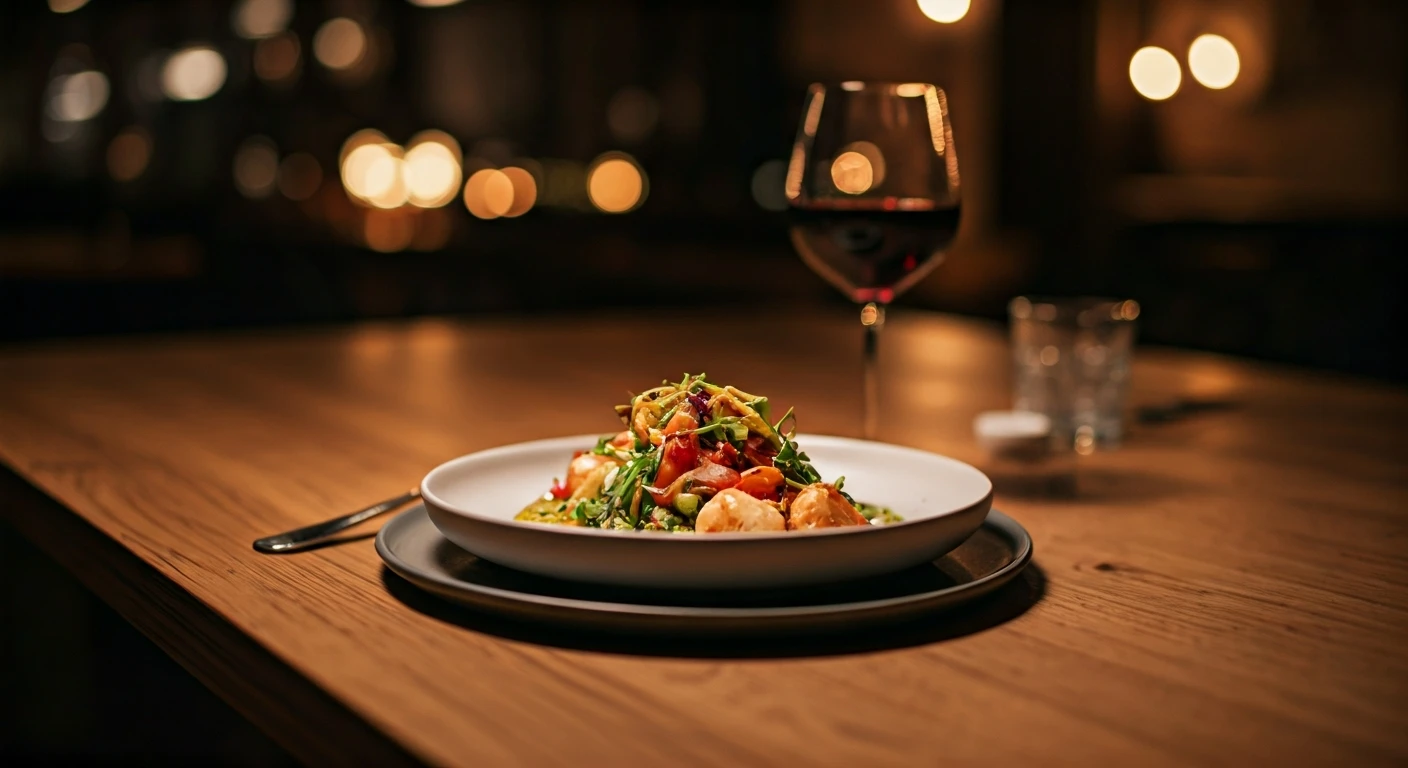
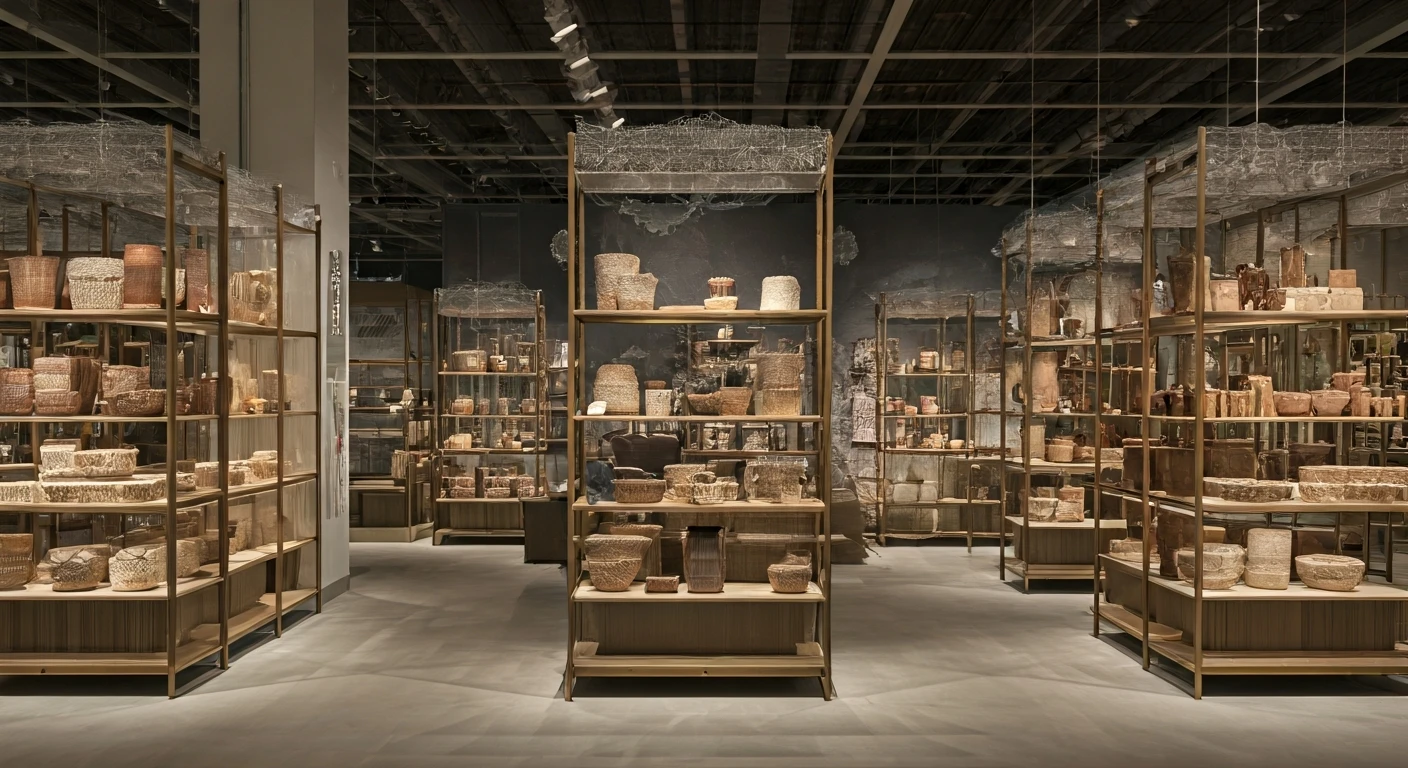
One Cafés dotting major cities. They function as slick, modern coffee shops—with Peet's Coffee, local pastries, and free Wi-Fi—that just happen to have “money coaches” and ATMs. You can work there for hours without anyone trying to sell you a credit card. Similarly, home goods retailer Crate & Barrel opened “The Table at Crate,” a full-service restaurant inside its stores. You can have brunch, then browse for the very plates and glasses you just used. These aren't temporary pop-ups; they are permanent fixtures designed to blur the line between commerce and community.
The Search for 'Third Place'
So, why is your bank suddenly so interested in your caffeine habit? It’s part of a strategy to become what sociologists call a “third place”—a social environment separate from the two primary ones of home and work. For decades, that was the local coffee shop, bar, or community center. In an increasingly digital world where genuine connection feels scarce, brands see a massive opportunity. By providing a welcoming, low-pressure physical space, they can build relationships that feel more authentic than a targeted ad. They aren’t just selling a product; they are offering a place to belong. This strategy is a direct response to a consumer base that has become adept at ignoring traditional advertising. You can’t skip a pleasant experience the way you can a YouTube pre-roll ad.
The Lab Behind the Festival
While these spaces feel like relaxed hangouts, make no mistake: they are sophisticated laboratories for consumer research. Every element is designed to generate data and insight. Brands can observe, in real-time, how customers interact with their environment. How long do they stay? Which areas do they gravitate towards? What conversations are they having? This qualitative data is gold. At Lululemon’s massive Chicago location, which includes a “Fuel Space” restaurant and meditation rooms, the company can see how its wellness-focused clientele moves from workout class to smoothie bar. It’s a closed-loop ecosystem that provides invaluable feedback for product development, marketing, and future store designs. The “festival” atmosphere gets you in the door, but the “lab” component is what provides the long-term business value.
From Niche Trend to Main Street
This isn't just a gimmick for a few high-end brands. The strategy is scaling across sectors. RH (formerly Restoration Hardware) has integrated grand restaurants and wine bars into its galleries, turning furniture shopping into a destination dining experience. Even automotive brands are getting in on the action, with spaces like the Genesis House in New York offering a tea pavilion, library, and restaurant alongside its luxury vehicles. The common thread is food and drink—the oldest and most effective social lubricant. By centering their experiences around the universal appeal of a good meal or coffee, these brands are tapping into a primal way to build trust and community. They’re hosting a party and hoping the good vibes translate into brand loyalty long after the plates are cleared.