



Your Scalp Is Your Hair's Garden
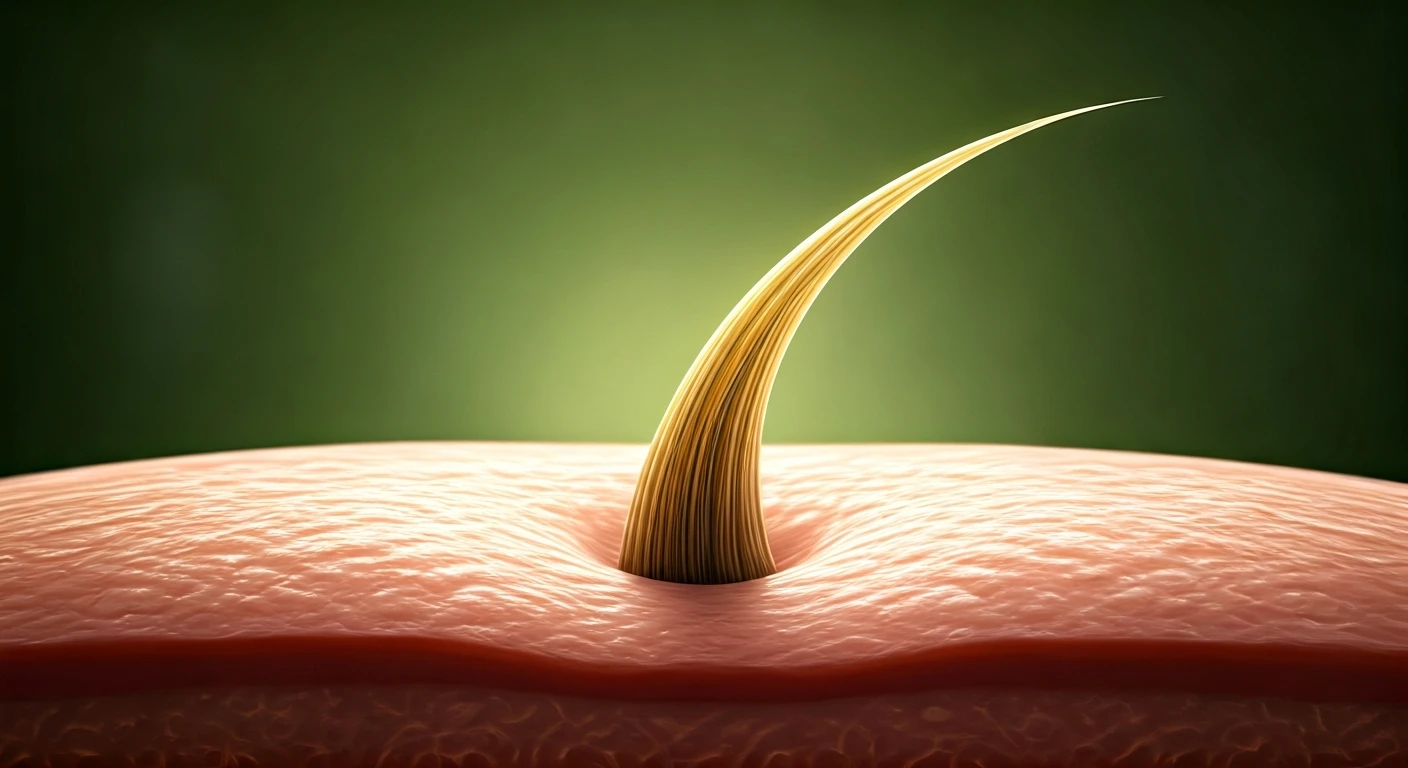
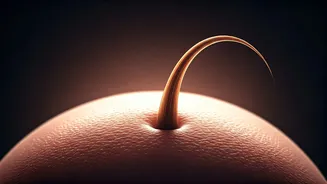
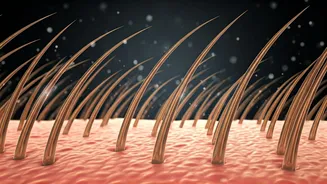
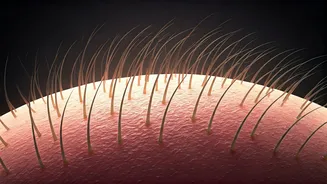
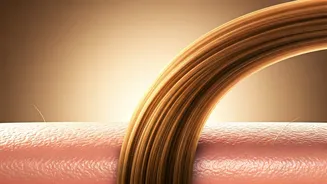
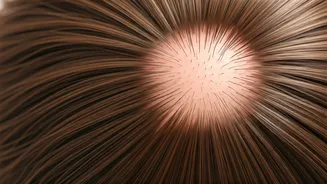
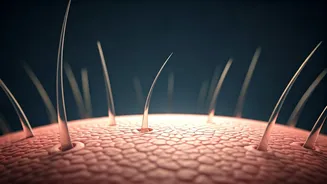
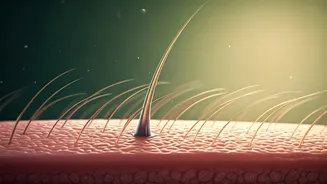
Think of your scalp as the soil and your hair as the plants. You wouldn't expect a garden to flourish in dry, compacted, or unhealthy soil, and the same principle applies to your head. Each strand of hair grows from a follicle, a tiny organ embedded in your scalp's
skin. The health of that follicle—its access to blood flow, nutrients, and a clean environment—directly determines the quality and strength of the hair it produces. When the scalp is clogged with product buildup, dead skin cells, or suffering from inflammation, it can constrict the follicle, leading to weaker, thinner hair growth and even increased shedding. A balanced, healthy scalp creates the optimal conditions for follicles to produce their best work: strong, thick, and vibrant strands.
Rethink Your Cleansing Routine
The first step in scalp care is a proper cleanse, which is about more than just removing oil. It’s about creating balance. Washing too infrequently allows oil, dead skin, and product residue to accumulate, which can lead to irritation and clogged follicles. Washing too often, especially with harsh, stripping sulfates, can disrupt the scalp's natural microbiome and moisture barrier, causing dryness, itchiness, and even an overproduction of oil to compensate. The solution is finding a happy medium for your hair type. Look for gentle, sulfate-free shampoos and don't be afraid to double-cleanse. The first wash breaks down oils and product, while the second truly cleans the scalp itself. When you shampoo, focus on massaging the product directly onto your scalp with your fingertips, not your nails, to stimulate blood flow without causing irritation.
Exfoliation: Not Just for Your Face
We're all familiar with exfoliating our face, but the skin on our scalp benefits from the same treatment. Scalp exfoliation is crucial for removing the buildup that shampoo alone can't tackle. This helps to keep follicles clear, reduce flakiness, and create a healthier environment for hair growth. You have two main options: physical and chemical exfoliants. Physical exfoliants, like scalp scrubs, use particles such as sugar or salt to manually buff away dead skin. They provide immediate satisfaction but should be used gently to avoid micro-tears. Chemical exfoliants use ingredients like salicylic acid (a BHA) or glycolic acid (an AHA) to dissolve the bonds between dead skin cells and break down excess sebum. These are often found in pre-shampoo treatments, serums, or exfoliating shampoos and can be a gentler, more thorough option, especially for sensitive scalps.
Nourish, Massage, and Protect
Beyond cleaning and exfoliating, your scalp needs nourishment and stimulation. A regular scalp massage is one of the easiest and most effective things you can do. Just five minutes a day of using your fingertips to apply firm but gentle pressure in circular motions can significantly boost blood circulation. This increased blood flow delivers more oxygen and essential nutrients directly to the hair follicles, promoting stronger growth. You can do it on a dry scalp or incorporate it into your cleansing routine. Furthermore, consider targeted scalp serums that contain nourishing ingredients like peptides, hyaluronic acid for hydration, or antioxidants. Finally, don't forget protection. Your scalp is skin, and it's vulnerable to sun damage, which can degrade collagen and harm follicles. When you know you'll be in the sun, wear a hat or use a UV-protectant spray formulated for hair and scalp.