





First, What Are Functional Foods?
Before diving into the specifics of the Indian market, let's clarify the term. 'Functional foods' are ingredients or products that offer health benefits beyond basic nutrition. Think of it as food with a job to do. That can be as simple and familiar as the calcium
in fortified orange juice for bone health or the fiber in oatmeal that helps lower cholesterol. In a modern wellness context, this has expanded to include foods with probiotics for gut health, antioxidants to fight cell damage, and adaptogens that help the body manage stress. It’s not about miracle cures, but about using diet to proactively support the body’s systems. This concept isn't new, but its commercialization and consumer awareness are hitting a fever pitch globally.
The Perfect Storm in India
So, why is this trend projected to explode in India specifically? Several powerful forces are converging. First, the COVID-19 pandemic created a massive, nationwide focus on immunity and preventative health, pushing consumers to seek out foods they believe will make them stronger. Second, India’s rapidly expanding middle class has more disposable income and is increasingly willing to spend it on premium wellness products. Third, there's a powerful cultural element at play. A renewed sense of national pride is leading many to look back to traditional Indian systems of medicine, particularly Ayurveda, for health solutions. This isn’t a rejection of modernity but a fusion of it, as consumers seek scientifically validated products that are rooted in familiar, trusted traditions.
Ancient Wisdom, Modern Snack
At the heart of India's functional food boom is Ayurveda, the ancient system of holistic wellness that has been practiced on the subcontinent for millennia. Ingredients that were once the domain of traditional practitioners are now the star players in venture-capital-backed startups. Ashwagandha, an adaptogen used to reduce stress, is now found in everything from chocolate bars to coffee blends. Brahmi, a herb believed to support cognitive function, is being added to children's health drinks. Amla, or Indian gooseberry, an incredibly rich source of Vitamin C, is no longer just a sour pickle but the hero ingredient in immunity-boosting juices and powders. This trend is about convenience—taking the wisdom of a grandmother's kitchen remedies and packaging it for a fast-paced, modern life.
From Turmeric Lattes to Millet Pancakes
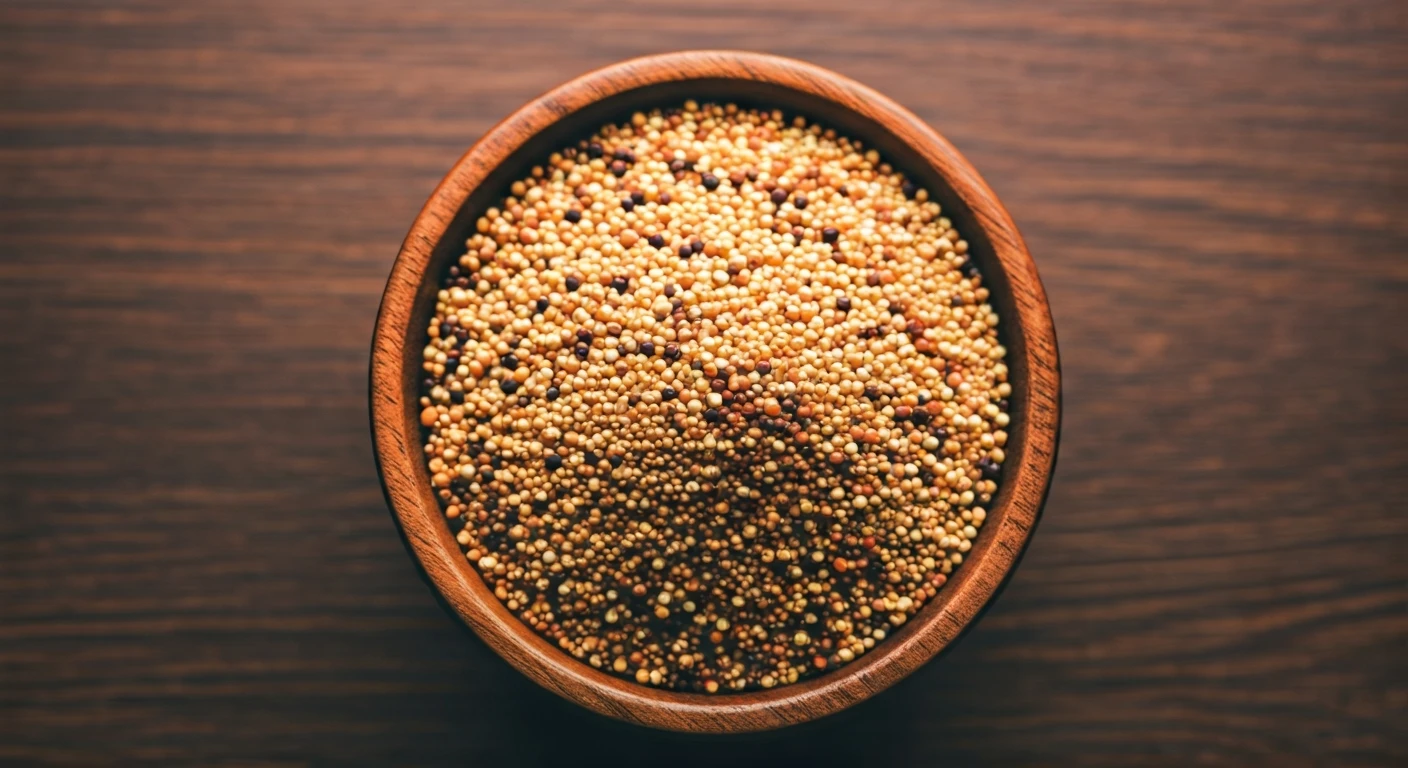
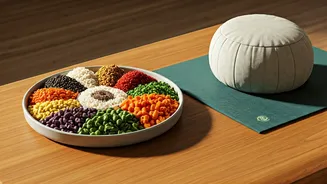
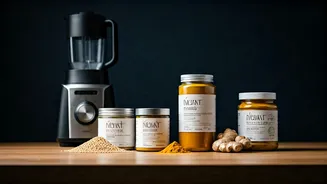
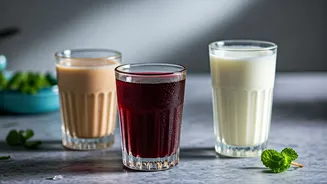
The most visible example of this trend in the West has been the 'turmeric latte,' a rebranded version of 'haldi doodh,' the warm, spiced milk that Indian families have used for generations to soothe colds and reduce inflammation. But that's just the beginning. A major government-backed push is reintroducing millets—a category of ancient, nutrient-dense, and gluten-free grains—to the national diet. Once seen as a humble rural staple, millets are now being marketed as a superfood, appearing in high-end restaurant menus, breakfast cereals, and pancake mixes. We're also seeing the rise of protein-rich snacks made from lentils and chickpeas, yogurt drinks infused with herbal extracts, and teas blended specifically to target issues like sleep and digestion. The innovation is happening at every level, from packaged goods to cafe menus.
Why This Indian Trend Matters Globally
For American consumers, this is more than just an interesting development happening halfway around the world. The U.S. wellness market has a long history of adopting and popularizing ingredients and practices from other cultures—think matcha from Japan or açaí from Brazil. The Indian functional food movement represents a new, sophisticated wave of product development. As Indian brands become more ambitious and well-funded, they are increasingly looking to export their products. Don't be surprised to see ashwagandha-infused cold brew or millet-based pasta popping up in the aisles of your local Whole Foods or Trader Joe's in the coming years. This isn't just about a single ingredient; it's about a holistic philosophy of food as preventative medicine, packaged for a global audience.