







The Great Renewal
To understand why certain plants thrive during India’s rainy season, you have to appreciate the sheer drama of the monsoon. It’s not a gentle spring shower. It’s a system of atmospheric reversal that drenches the subcontinent for months, typically from
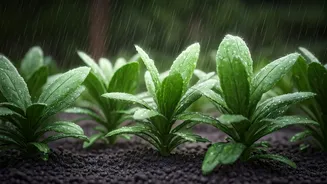
June to September. Before its arrival, the land is often parched and dusty, with plants conserving every last drop of energy. The first rains are an event, carrying a distinct, earthy scent—petrichor—as they hit the baked soil. This isn't just water; it's a total environmental reset. Humidity skyrockets, temperatures drop from scorching to pleasantly warm, and the very quality of the light changes, filtered through a constant haze of atmospheric moisture. For plants adapted to this cycle, the monsoon is a signal to stop surviving and start thriving. It triggers an explosion of growth, turning dusty landscapes into a riot of green in a matter of weeks.
Ferns: Unfurling in the Mist
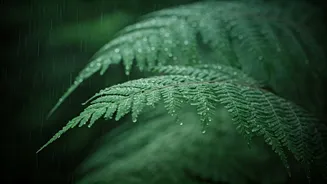
Ferns are ancient plants that predate flowers, and their survival is tied to moisture. During India’s dry season, many ferns lie dormant, their fronds withered. But with the monsoon’s sustained humidity and drenched soil, they undergo a spectacular revival. The constant mist and lack of direct, harsh sunlight create a perfect fern paradise. This environment allows them to absorb moisture not just through their roots but also through their delicate fronds. You'll see them carpeting forest floors, clinging to tree trunks, and sprouting from old stone walls. For the American gardener struggling with a crispy Boston fern, this is the key lesson: ferns crave humidity above all. While you can’t summon a monsoon indoors, you can replicate its effect with regular misting, grouping plants together to create a humid microclimate, or placing them in a naturally steamy bathroom.
Hibiscus: Fueling the Fiery Blooms
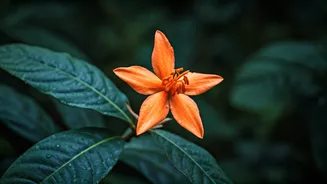
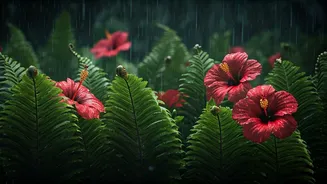
Unlike the shade-loving fern, the hibiscus is a sun worshipper, known for its huge, flamboyant flowers. So why does it also love the rainy season? While it needs sunlight to produce its vibrant blooms, those flowers are thirsty work. The monsoon provides the immense amount of water a hibiscus needs to support its rapid growth and constant flowering. The soil becomes a reservoir, allowing the plant to drink deeply and continuously. This combination of water at the roots and sun on the leaves (during breaks in the rain) is the perfect recipe for a happy hibiscus. The rains also wash dust from the leaves, allowing for more efficient photosynthesis. For the home gardener, the takeaway is clear: when your hibiscus is in its active growing and blooming season (typically summer in the U.S.), don't be afraid to water it generously. Ensure it has excellent drainage—like the porous Indian soil—so its roots aren't sitting in stagnant water, but give it the fuel it needs to put on its show.
Lessons for Your Own Urban Jungle
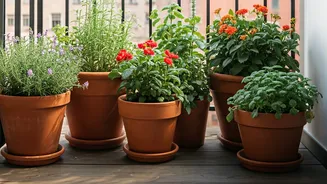
You don't need a trip to the Western Ghats to apply these principles. The monsoon teaches us that a plant’s needs are dynamic and tied to a cycle of growth and rest. First, think in seasons. Your tropical plants have an internal clock. During their active growth period in spring and summer, mimic the “monsoon” with more frequent watering, higher humidity, and regular feeding. As winter approaches and light levels drop, simulate the “dry season” by reducing water and letting them rest. Second, respect the power of humidity. For humidity-lovers like ferns, calatheas, and orchids, a simple pebble tray (a tray of pebbles and water placed under the pot) can create a small-scale humid environment. Finally, flush the soil. The monsoon's heavy rains wash away accumulated salts from the soil. You can do the same for your potted plants. Every few months, take them to a sink or shower and let water run through the pot for several minutes to flush out excess fertilizer and mineral buildup.