



So, What Exactly Is Silly-Maxxing?
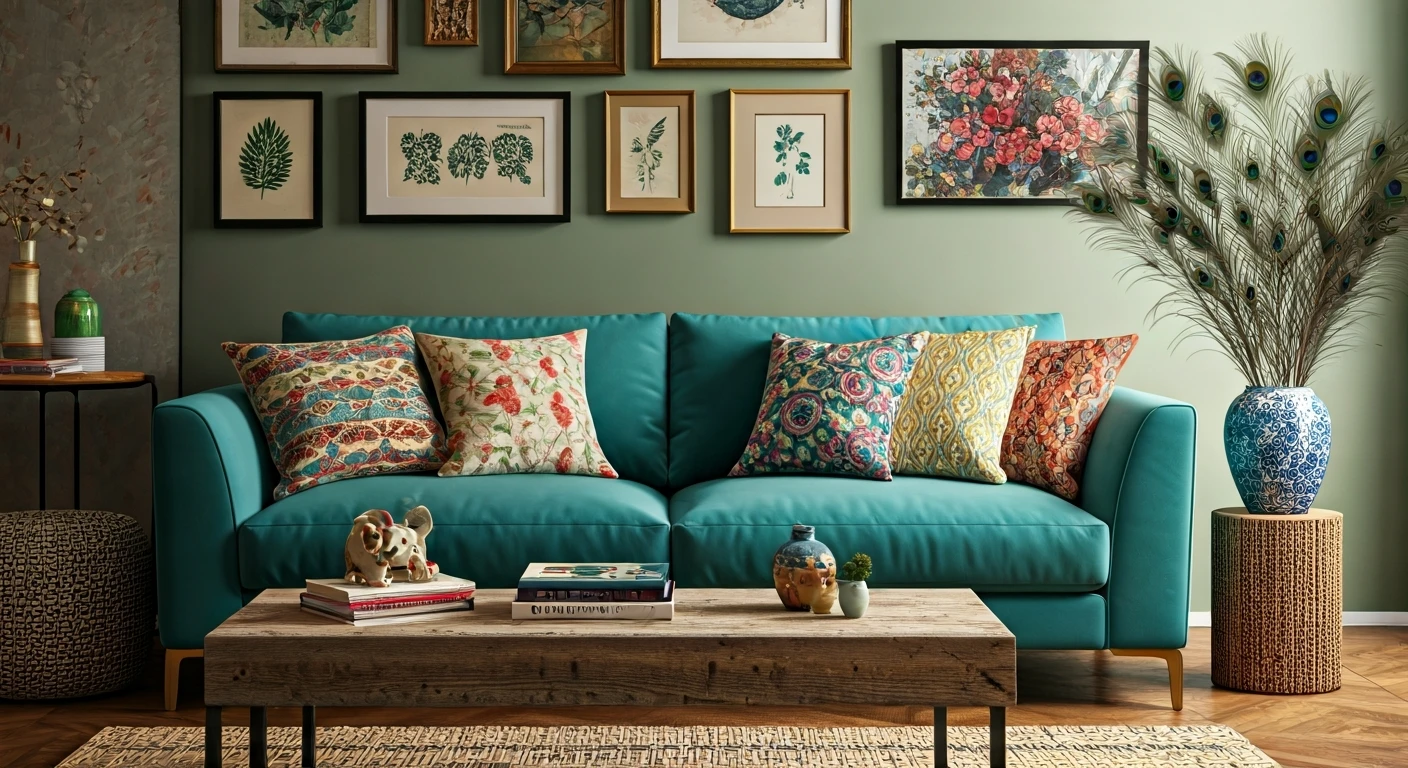
At its core, Silly-Maxxing is a more-is-more aesthetic fueled by humor, nostalgia, and unapologetic personality. Think of it as the playful cousin of traditional maximalism. While maximalism layers patterns, textures, and colors to create a rich, curated
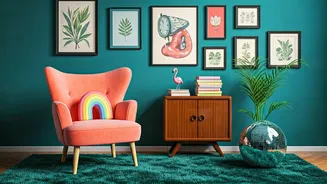
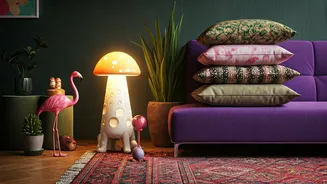
look, Silly-Maxxing does the same but with a distinct emphasis on objects that make you laugh or smile. It’s decorating with your inner child and your sense of humor as your primary guides. This isn’t about filling your space with expensive art or designer furniture. It’s about proudly displaying that weird ceramic cat you found at a thrift store, a lamp shaped like a mushroom or a hot dog, a collection of kitschy salt-and-pepper shakers, or a framed print of a meme that lives in your head rent-free. The goal isn’t to impress guests with your impeccable taste; it’s to surround yourself with conversation starters and little pockets of joy. The common thread is a deep love for the odd, the personal, and the unserious.
The Antidote to 'Sad Beige' Culture
The rise of Silly-Maxxing feels like a direct, almost visceral, reaction to the past decade of sanitized, Instagram-perfect interiors. For years, the dominant aesthetic was one of cautious neutrality—think greige walls, matching furniture sets, and carefully placed coffee table books. This look, sometimes dubbed 'millennial minimalism' or 'sad beige,' is beautiful in its own way, but it can also feel impersonal and sterile, designed more for resale value than for actual living. After several years of spending more time at home than ever before, many are realizing that a home should be more than a neutral backdrop for Zoom calls. It should be a sanctuary that actively reflects who you are and brings you comfort. Silly-Maxxing is the ultimate expression of this sentiment. It’s a rebellion against the pressure to have a 'perfect' home, opting instead for a 'happy' one. By choosing items that are funny, strange, or deeply personal, people are reclaiming their spaces as zones of pure self-expression, free from the judgment of ephemeral trends.
The Fine Line Between Silly and Sloppy
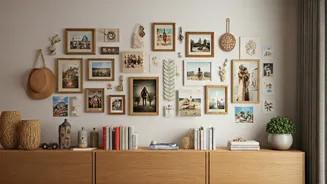
The headline’s claim that this trend “works” might seem dubious. Doesn’t filling your home with weird stuff just create chaos? Not necessarily. The key to successful Silly-Maxxing is intention. It’s not about hoarding or clutter; it’s about curation. Each 'silly' object is chosen with purpose because it sparks a specific feeling of delight. Think of it like a gallery of your own personal oddities. A well-executed Silly-Maxxed room still follows some basic design principles. You might ground your zany collection with a cohesive color palette or arrange your strange objects in deliberate, artful vignettes. A bright yellow, wavy-legged side table works because it’s a statement piece in an otherwise functional corner. A gallery wall of bizarre thrift-store paintings works because it’s framed and hung with care. The 'silly' items become focal points that pop, rather than being lost in a sea of random mess. It’s the difference between a thoughtful collection and a pile of stuff.
How to Dip a Toe into the Weird
Embracing Silly-Maxxing doesn't require a complete home makeover. The beauty of this trend is that it’s accessible and can be adopted gradually. The best way to start is small. Find one thing that makes you genuinely chuckle and give it a place of honor. That could be a quirky mug for your morning coffee, a bath mat that looks like a slice of toast, or a single, absurdly shaped decorative pillow for your very neutral sofa. Flea markets, thrift stores, and online marketplaces like Etsy are treasure troves for Silly-Maxxing. Look for items with personality and a story, not just things that fill a space. The goal is to slowly replace generic decor with pieces that feel uniquely *you*. Don't overthink it. If an item feels too weird, too colorful, or too niche, it's probably perfect. The only rule is that it has to make you happy. If it does, it belongs in your home.