






First, Where Is the NCR?
Let’s get the geography lesson out of the way, because it’s key to understanding the trend. 'NCR' stands for the National Capital Region, the sprawling metropolitan area surrounding New Delhi, India. It’s a bustling, hyper-modern hub of commerce, technology,
and culture, home to millions of ambitious, globally-connected residents in cities like Gurgaon and Noida. And like any world-class urban center, its food scene is a reflection of its people: fast-paced, forward-thinking, and hungry for something new. While Delhi is steeped in centuries of culinary tradition, the wider NCR is where experimentation thrives. It's here that young chefs and restaurateurs are breaking the mold, creating spaces that offer an escape from the city's exhilarating chaos.
The Taste: Sun-Soaked and Plant-Powered
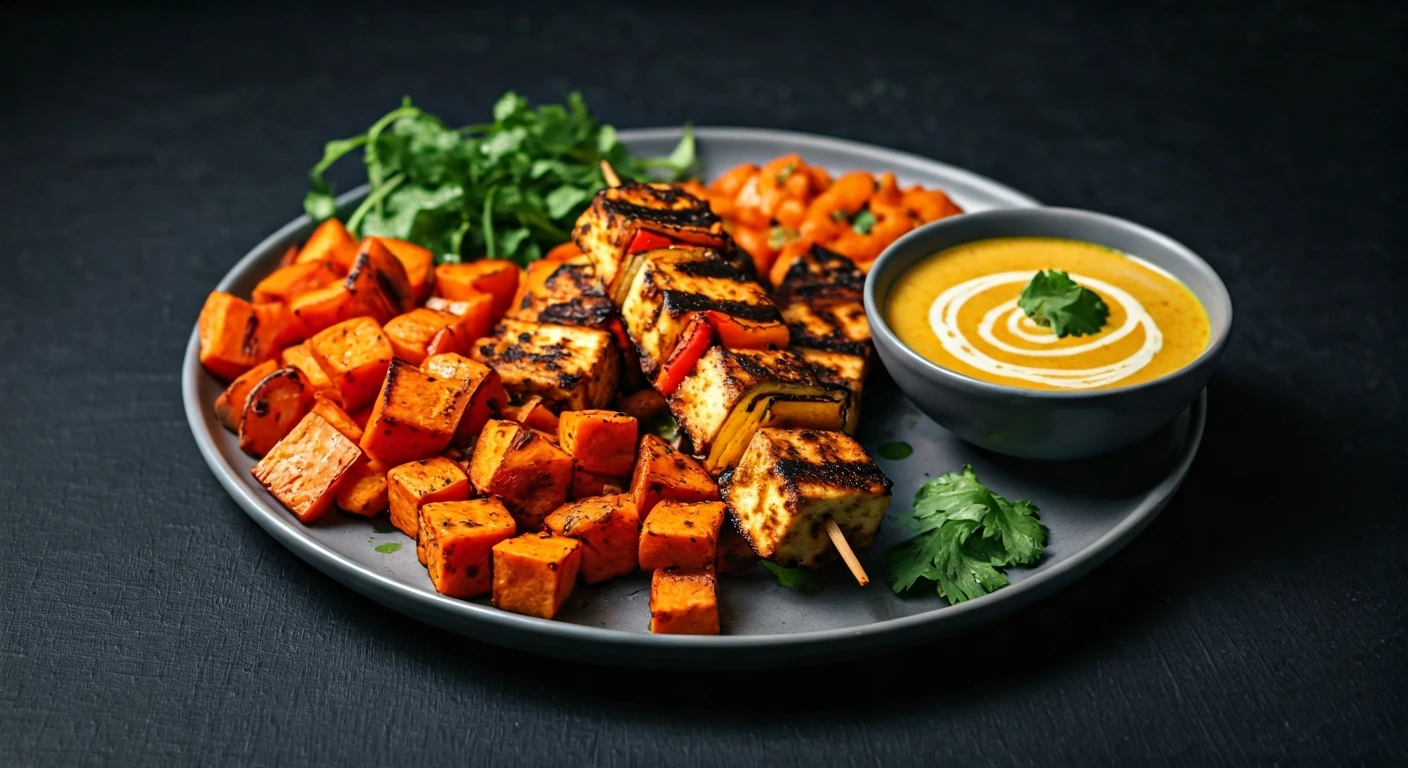
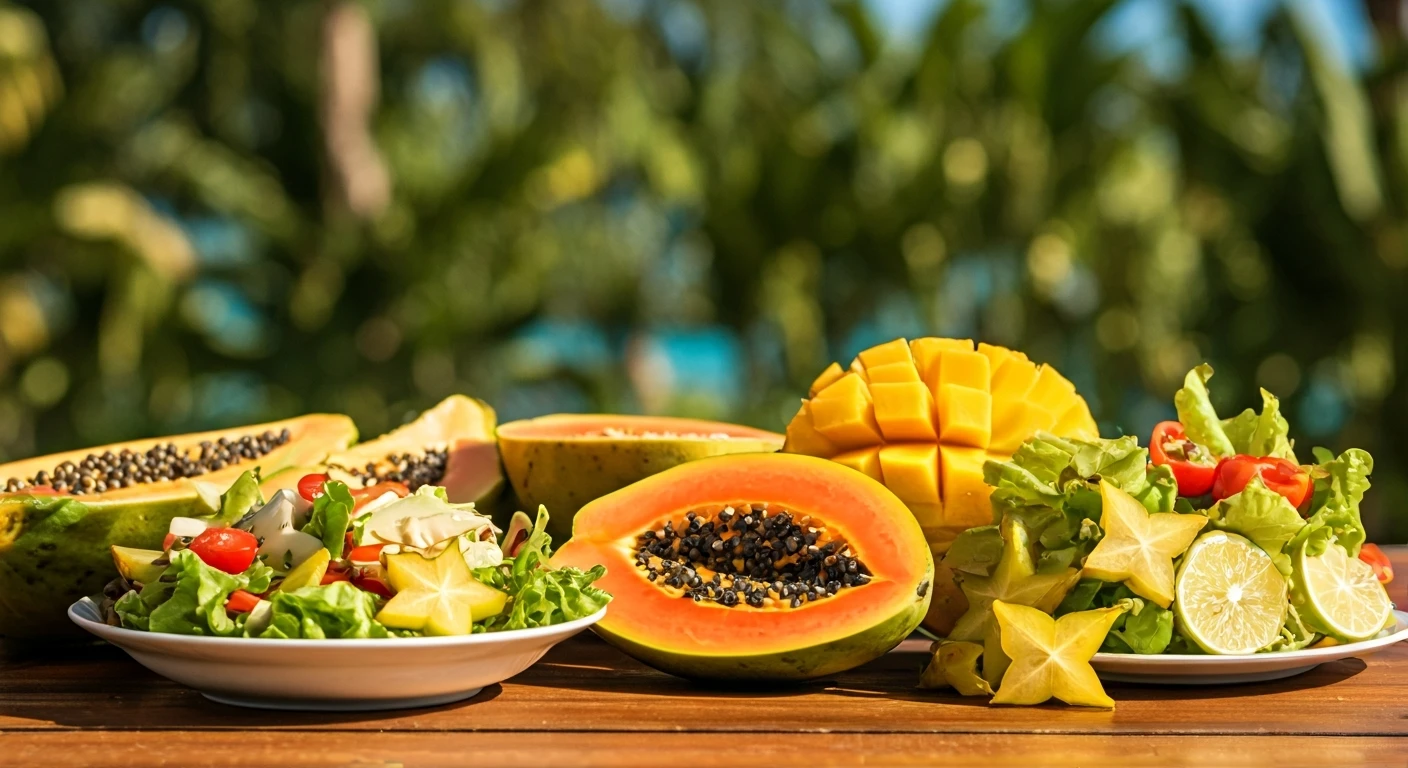
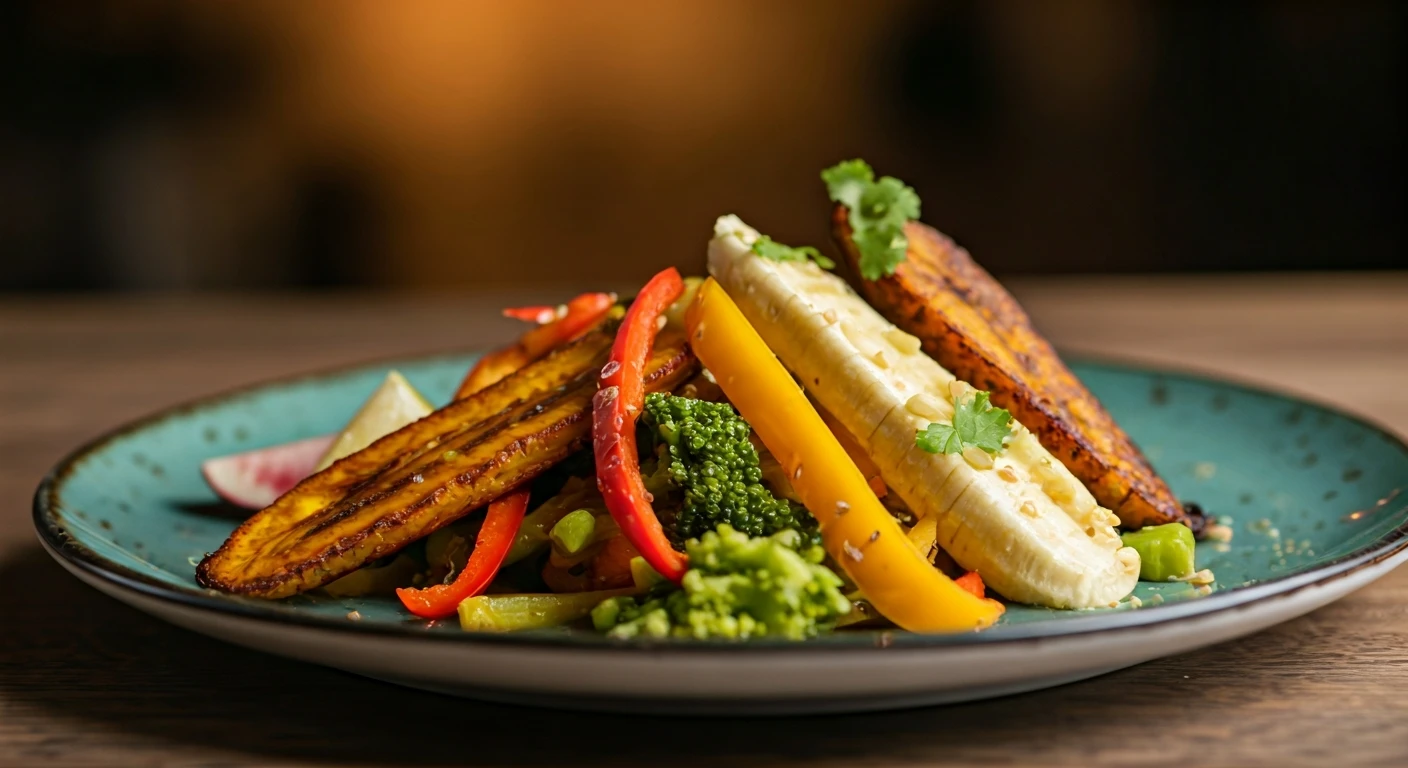
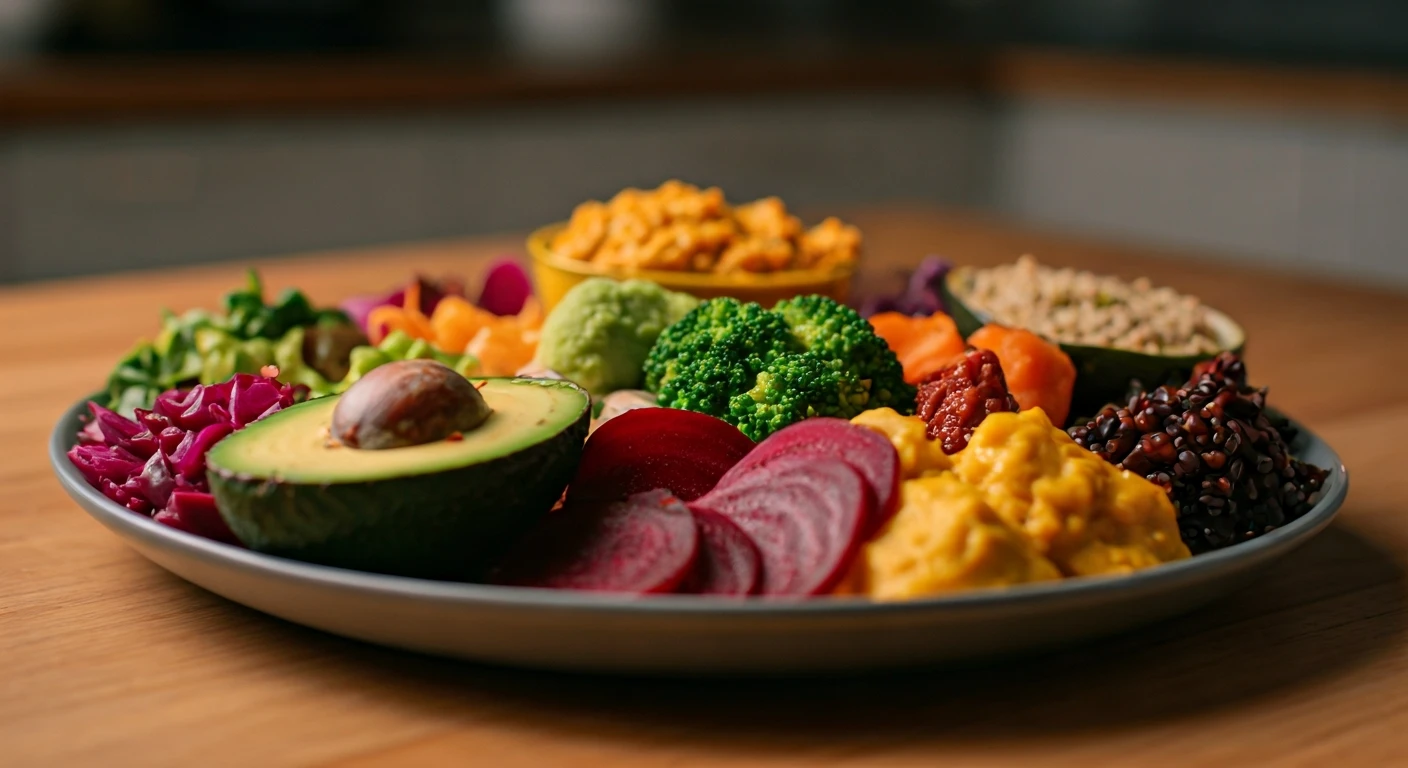
So what exactly is a “tropical vegetarian detour”? Forget the heavy, cream-based sauces you might be used to. This movement is all about light, vibrant, and plant-forward cooking that celebrates ingredients often associated with coastal and equatorial regions. Think dishes built around raw jackfruit that mimics pulled pork, smoothie bowls bursting with mango and passionfruit but spiked with a hint of cardamom, and delicate coconut-milk curries filled with water chestnuts and lotus root. It’s a style that borrows from Southeast Asian and even Latin American flavor profiles, but filters them through an Indian lens. You might find corn ribs seasoned with chaat masala, quinoa salads tossed with pomegranate and mint, or avocado toast served on a freshly made millet flatbread. The emphasis is on freshness, health, and showcasing vegetables in their best light, rather than masking them.
More Than a Meal, It's an Escape
This trend isn't just confined to the plate. The restaurants and cafes pioneering this style are creating complete sensory experiences. The vibe is often a deliberate contrast to the concrete jungle outside. Picture bright, airy spaces filled with natural light, hanging plants, bamboo furniture, and walls adorned with lush, botanical murals. They are designed to be Instagrammable, certainly, but also genuinely calming. For diners in the traffic-snarled, high-energy NCR, walking into one of these establishments feels like stepping into a different climate. It’s a mini-vacation, a moment of tranquility where the food and the environment work together to transport you. It’s less about a formal, stuffy dinner and more about a relaxed, rejuvenating experience that feels both indulgent and virtuous.
A New Definition of Indian Food
Ultimately, this tropical vegetarian wave is part of a larger story about the evolution of modern Indian cuisine. It’s a confident departure from the idea that “authentic” Indian food must be unchanging. Chefs are proving that vegetarian cooking doesn't have to be a secondary option; it can be the main event, full of innovation, excitement, and global flair. They are catering to a new generation of Indian diners who are health-conscious, well-traveled, and eager to see their own culinary heritage evolve. This isn't about replacing tradition, but expanding it. It shows a cuisine that is alive, breathing, and joyfully absorbing new influences while staying true to a core of vibrant, complex flavors. For American foodies, it's a delicious reminder that there is always something new to discover, and that the next big thing might be blooming in an unexpected place.