






Start with Your Scalp
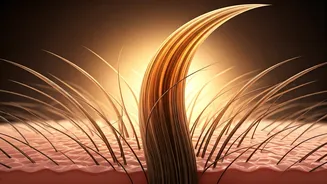
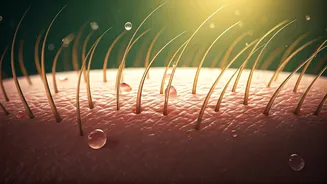
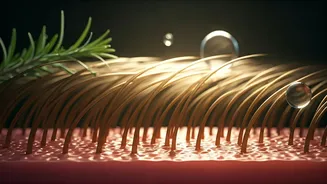
Healthy hair begins with a healthy scalp. Dermatologists emphasize that scalp care is the foundation of any growth-focused routine. Think of it like gardening: you can’t grow strong plants in bad soil. Start by ensuring your scalp is clean. Product buildup,
oil, and dead skin cells can clog follicles and impede growth. Use a clarifying shampoo once a week or a gentle scalp scrub to reset the environment. Additionally, a daily 5-minute scalp massage can be transformative. Using the pads of your fingers, apply gentle to medium pressure in circular motions across your entire scalp. This simple act is thought to increase blood circulation to the follicles, delivering more oxygen and nutrients essential for growth.
Feed Your Follicles from Within
Topical products can only do so much; true strength is built from the inside. Dermatologists consistently point to nutrition as a critical, non-negotiable factor for hair health. Your hair follicles are made of protein, so ensuring adequate protein intake (from sources like lean meat, fish, eggs, and legumes) is crucial. Iron is another key player; low levels are a well-known cause of hair shedding. Get your levels checked and, if advised, increase your intake of iron-rich foods like spinach, red meat, and lentils. Finally, don’t forget zinc and biotin. Zinc helps with hair tissue growth and repair, while a biotin deficiency (though rare) can lead to hair loss. A balanced diet is always the best approach before reaching for supplements.
Rethink How You Wash and Dry
Aggressive washing and drying habits are a primary cause of breakage, which is often mistaken for slow growth. Your hair is most vulnerable when it's wet. Instead of piling your hair on top of your head and scrubbing vigorously, gently massage shampoo into your scalp and let the suds run down the lengths. Always follow with a conditioner to seal the hair cuticle, which adds protection and shine. After washing, resist the urge to rub your hair with a coarse towel. This creates friction and frizz. Instead, gently squeeze out excess water with your hands, then blot it dry with a soft microfiber towel or an old cotton t-shirt.
Turn Down the Heat
High heat is one of the fastest ways to damage your hair’s protein structure, leading to brittle strands that snap off easily. While it’s hard to quit heat styling completely, dermatologists advise a “less is more” approach. When you do use a blow dryer, flat iron, or curling wand, always apply a heat protectant spray first. This creates a barrier between the tool and your strands, mitigating some of the damage. Furthermore, never use tools on the highest heat setting. For most hair types, a medium setting is more than sufficient. Whenever possible, let your hair air-dry at least partially before blow-drying to reduce its exposure to heat.
Loosen Up Your Style
Your favorite slicked-back ponytail or tight bun could be working against your growth goals. Hairstyles that pull constantly on the hair follicles can lead to a type of hair loss called traction alopecia. Over time, this persistent tension can permanently damage the follicles, preventing hair from growing back. Dermatologists recommend varying your hairstyle and opting for looser alternatives. Swap tight elastic bands for softer scrunchies or spiral hair ties that don't pull as harshly. If you wear braids or extensions, ensure they aren't installed too tightly and give your scalp regular breaks between styles.
Consider a Proven Topical Treatment
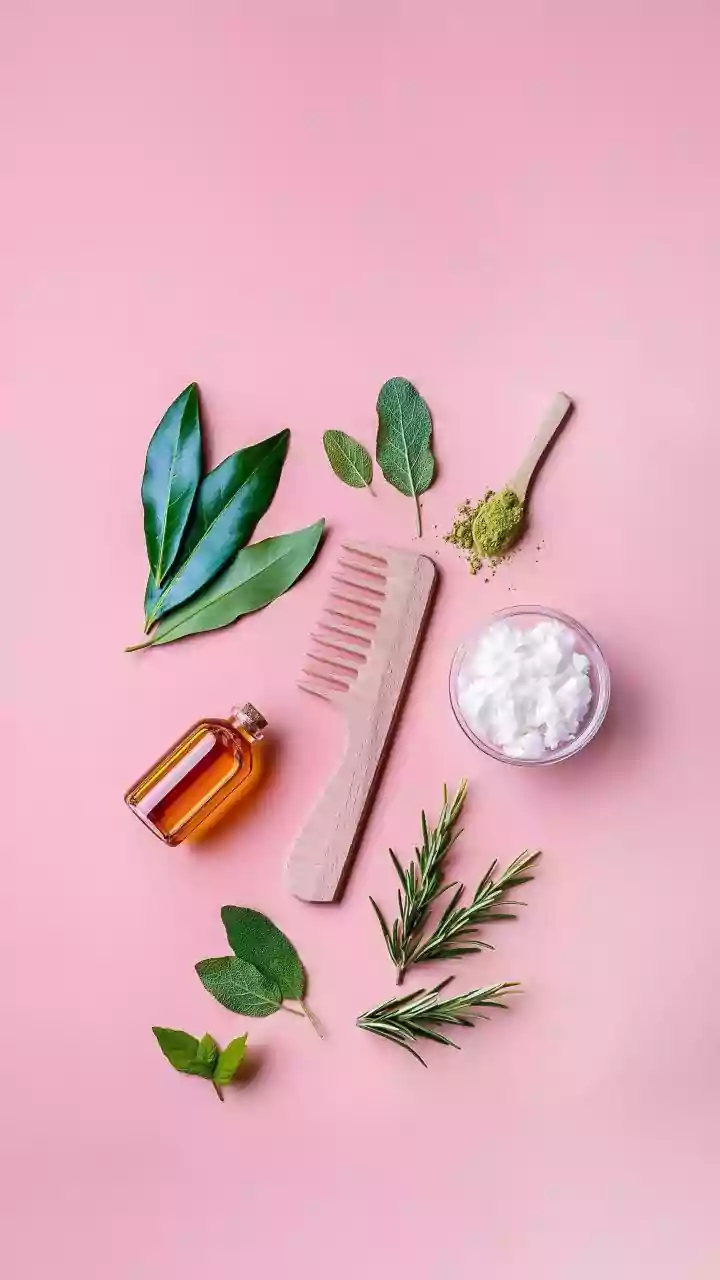
If you've optimized your diet and handling techniques but are still concerned, it may be time to consider a targeted topical product. The most tried-and-true, FDA-approved ingredient for promoting hair growth is minoxidil (the active ingredient in Rogaine). It works by increasing blood flow to the scalp and prolonging the growth phase of the hair cycle. For those seeking a more natural approach, rosemary oil has gained significant attention. Some studies suggest it may be as effective as 2% minoxidil for certain types of hair loss, likely due to its own circulation-boosting and anti-inflammatory properties. Always patch-test new products and consult a professional before starting a new regimen.