
An Ancient Grain's Modern Moment
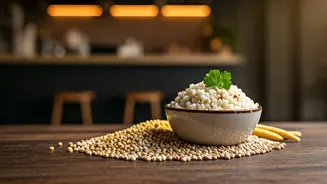
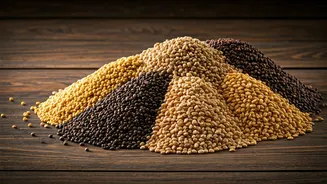
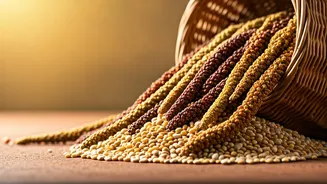
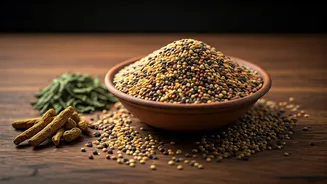
If your only association with millet is birdseed, it’s time for a reintroduction. While it is a component in some bird food, the tiny, bead-like grain being embraced by chefs and home cooks is a culinary staple with a history stretching back 10,000 years.
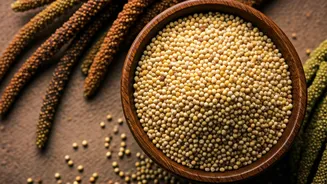
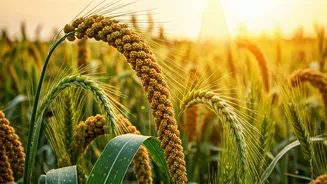
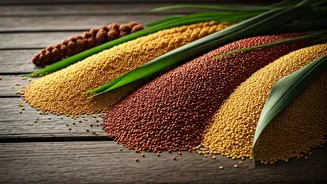
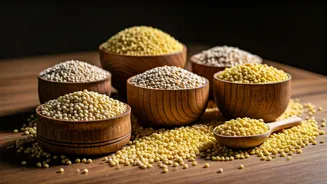
Originating in Africa and Asia, millet was a foundational food for civilizations long before rice or wheat became dominant. It’s not a single grain, but a category of small-seeded grasses, with proso, foxtail, and pearl being the most common varieties for human consumption. So why the sudden resurgence? The modern American kitchen is in a constant search for foods that are nutritious, sustainable, and adaptable. Millet ticks all those boxes. As interest in gluten-free eating, plant-based diets, and global flavors continues to grow, this ancient grain has found its perfect modern moment. It’s a return to a simpler, hardier food source that just happens to fit perfectly with contemporary wellness goals.
The Nutrition Powerhouse
The “power” in millet isn’t just marketing hype. For a humble grain, it packs a significant nutritional punch. First and foremost, it’s naturally gluten-free, making it a safe and delicious option for those with celiac disease or gluten sensitivity. But its benefits extend far beyond that. Millet is a good source of plant-based protein and dietary fiber, which aids digestion and promotes a feeling of fullness, making it a satisfying addition to any meal. It’s also rich in essential minerals. It boasts a healthy supply of magnesium, which is crucial for nerve function and heart health, as well as phosphorus, important for bone formation. Unlike many refined grains that are stripped of their nutrients, millet is typically consumed as a whole grain, meaning you get the full spectrum of its natural goodness.
A Chameleon in the Kitchen
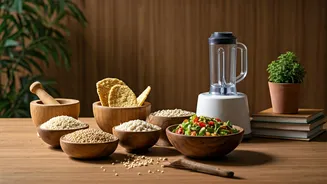
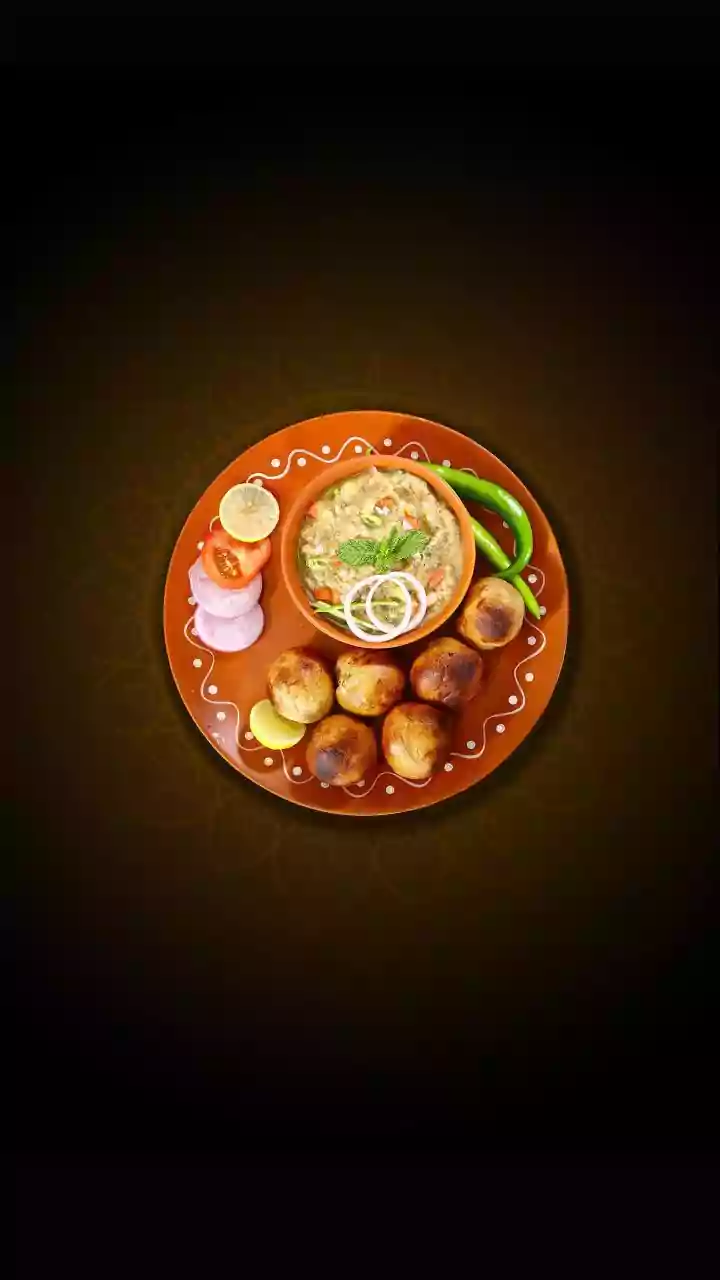
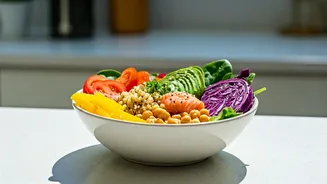
Perhaps millet’s greatest strength is its incredible versatility. Its mild, slightly nutty flavor makes it a blank canvas that can absorb other flavors beautifully, and its texture can be manipulated depending on how you cook it. This culinary flexibility is what truly sets it apart. Want a fluffy, couscous-like side dish? Toast the dry grains in a pan before adding liquid to keep the individual grains separate and enhance their nutty taste. Craving a creamy, comforting porridge or a polenta substitute? Use more liquid and stir frequently as it cooks to release its starches. You can use it as the base for a vibrant grain bowl, stir it into soups and stews to add body, or even pop it like corn for a crunchy snack or topping. It works as a simple swap for rice, a base for vegetarian patties, or an ingredient in gluten-free baking, proving it can earn a spot in breakfast, lunch, and dinner.
Your First Foray into Millet
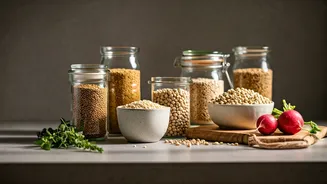
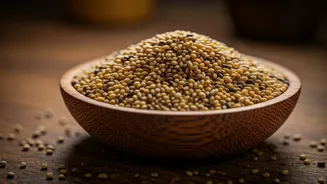
Ready to give it a try? Don’t be intimidated. Cooking millet is as easy as cooking rice. You’ll find it in the bulk bins or grain aisle of most well-stocked grocery stores and health food markets; look for “hulled millet.” The most basic preparation method for fluffy millet follows a simple formula: use a 1:2 ratio of millet to liquid (water or broth). Start by rinsing the millet in a fine-mesh sieve. For extra flavor, you can toast the dry, rinsed grains in a bit of oil in a saucepan over medium heat for a few minutes until fragrant. Then, add your liquid, bring to a boil, reduce the heat to a simmer, cover, and cook for about 15–20 minutes, or until the liquid has been absorbed. Let it stand, covered, for another 5–10 minutes, then fluff with a fork. It’s that simple. From there, you can season it with salt, herbs, or spices and serve it as a side or build it into a larger dish.